Prop Firms Funded Futures: Flexible Rules 2026
Material update: 15 October 2026: specifically identified source references, unsupported own-product/result qualifications or account-rule wording corrected. Existing publication status and URL retained. 15 October 2026: Additional own-results verification/audit wording corrected to company-published broker-statement scope.

Prop firms offering funded futures accounts with flexible trading rules provide traders with greater autonomy by easing certain restrictions typically found in trading evaluations. These firms aim to attract skilled traders by adapting their policies to accommodate various trading styles, focusing on robust risk management without stifling profit potential.
- Flexible rules adapt to diverse trading strategies and styles.
- Focus remains on risk management, not rigid adherence to specific patterns.
- Increased trader autonomy leads to potentially better performance outcomes.
- Understanding nuances of flexibility is key for sustained success.
What are Flexible Trading Rules in Prop Futures Accounts?
Flexible trading rules in prop firms funded futures accounts refer to a set of conditions that offer traders more leeway compared to more stringent evaluation models. This typically involves less restrictive drawdown limits, more adaptable profit target structures, and greater freedom in trading session participation. The core idea is to create an environment that mirrors real-world trading more closely, allowing traders to implement their strategies without being penalized by overly rigid constraints. For instance, while a strict daily loss limit might be a standard feature, a firm with flexible rules might offer a larger buffer or a different calculation method for this limit. This allows traders to manage their risk effectively without the constant fear of being automatically disqualified for minor, temporary market fluctuations. JPTradingCapital understands the importance of these nuances, building EAs like the JPTC EA Hub to respect even the most specific prop firm rules, including daily drawdown caps and maximum loss limits, ensuring traders can focus on profitability.
Drawdown Flexibility
Drawdown is a critical metric in prop trading, representing the peak-to-trough decline in an account's equity. Flexible trading rules often manifest in how drawdown is calculated and managed. While many firms impose a strict daily loss limit (e.g., 5% of the starting balance) and a maximum overall drawdown (e.g., 10%), flexible firms might offer variations. Some may have a larger daily drawdown allowance, or a trailing drawdown that only activates once a certain profit level is reached, providing more room for error during volatile market conditions. For example, instead of a hard 5% daily limit, a firm might offer a 7% daily limit or a system where the trailing drawdown doesn't start until the account reaches a 3% profit. This type of flexibility is crucial for futures traders who often experience sharp, sudden price movements that can quickly breach stricter limits.
Profit Target Adaptability
Profit targets are another area where flexibility can significantly benefit traders. Traditional evaluations often require traders to reach a specific profit target (e.g., 10% of the initial capital) within a set timeframe. Flexible prop firms might offer tiered profit targets, allow for a longer period to achieve the target, or even have no strict profit target at all, focusing instead on consistent profitability and risk management over time. Some firms, like FundedNext, offer up to a 90% reward share, indicating a strong focus on trader profitability once funded, which can be seen as a form of flexibility by allowing traders to earn substantial amounts without the pressure of an arbitrary target. This adaptability allows traders to focus on developing a sound trading strategy rather than rushing to meet an artificial goal.
Consistency Rules Reimagined
Consistency rules, designed to prevent traders from having one or two exceptionally large winning trades that skew their performance, are also subject to flexible interpretations. While essential for demonstrating sustainable trading skills, overly strict consistency rules can penalize traders who capitalize on significant market opportunities. Flexible firms might adjust the percentage of profit that can come from a single day or a single trade, or they may focus more on the overall statistical profile of the trades over a longer period. Instead of a rule stating no single day can account for more than 15% of total profit, a flexible firm might set this at 25% or focus on ensuring a minimum number of profitable days, allowing for larger, well-timed trades.
Competitors' Approaches to Flexible Trading Rules
The landscape of prop firms offering funded futures accounts with flexible trading rules is evolving. Competitors are adapting their models to attract a wider range of traders. FundedNext, for instance, advertises one-time fees and a generous reward share, highlighting a focus on reducing upfront costs and maximizing trader earnings, which appeals to those seeking financial flexibility. PropFirmMatch, in its explanation of rules, points out that even with flex accounts, a 1% floating loss warning is recorded, indicating that flexibility doesn't mean a complete absence of risk management. BlueGuardian lists firms that offer flexibility in withdrawal rules, allowing payouts from day one, which is a significant draw for traders who need regular income. YouTube content creators often compare various prop firm plans, helping traders navigate the different rule sets and identify those that offer the best combination of opportunity and flexibility. These comparisons often highlight specific rules, such as the absence of a buffer rule mentioned by FundedNext, which simplifies risk management for traders.
The Appeal of 'No Buffer' Rules
A 'buffer' in prop trading typically refers to a certain amount of profit added to the initial capital, which then acts as a cushion against losses, protecting the trader's initial capital and allowing them to continue trading even if they incur losses up to the buffer amount. Firms that offer 'no buffer' rules, such as FundedNext, remove this layer. While this might seem more challenging, it often simplifies the risk management equation. Traders know that their starting balance is their absolute limit for drawdown, and any profit they make is immediately contributing to their potential withdrawal and is part of their equity that can be lost. This direct relationship between trading performance and account equity can be more transparent for traders who prefer a straightforward approach to managing their risk.
Comparing Different Firm Structures
When evaluating prop firms, understanding their underlying structure is key. Some firms, like TopStep, have historically focused on specific markets and evaluation styles. Others, like Apex Trader Funding, offer a wide range of account sizes and scaling plans. The flexibility often lies not just in the trading rules themselves, but in the variety of account options available. A trader might find a firm that offers excellent flexibility on a $50,000 account but less so on a $100,000 account, or vice versa. Examining the specific structure of the evaluation, the rules for scaling up funded accounts, and the payout process can reveal the true extent of a firm's flexibility. For example, The Funded Trader offers different challenges with varying rulesets, allowing traders to choose the path that best suits their risk tolerance and trading style.
JPTradingCapital's Edge: Automated Strategies for Prop Firms
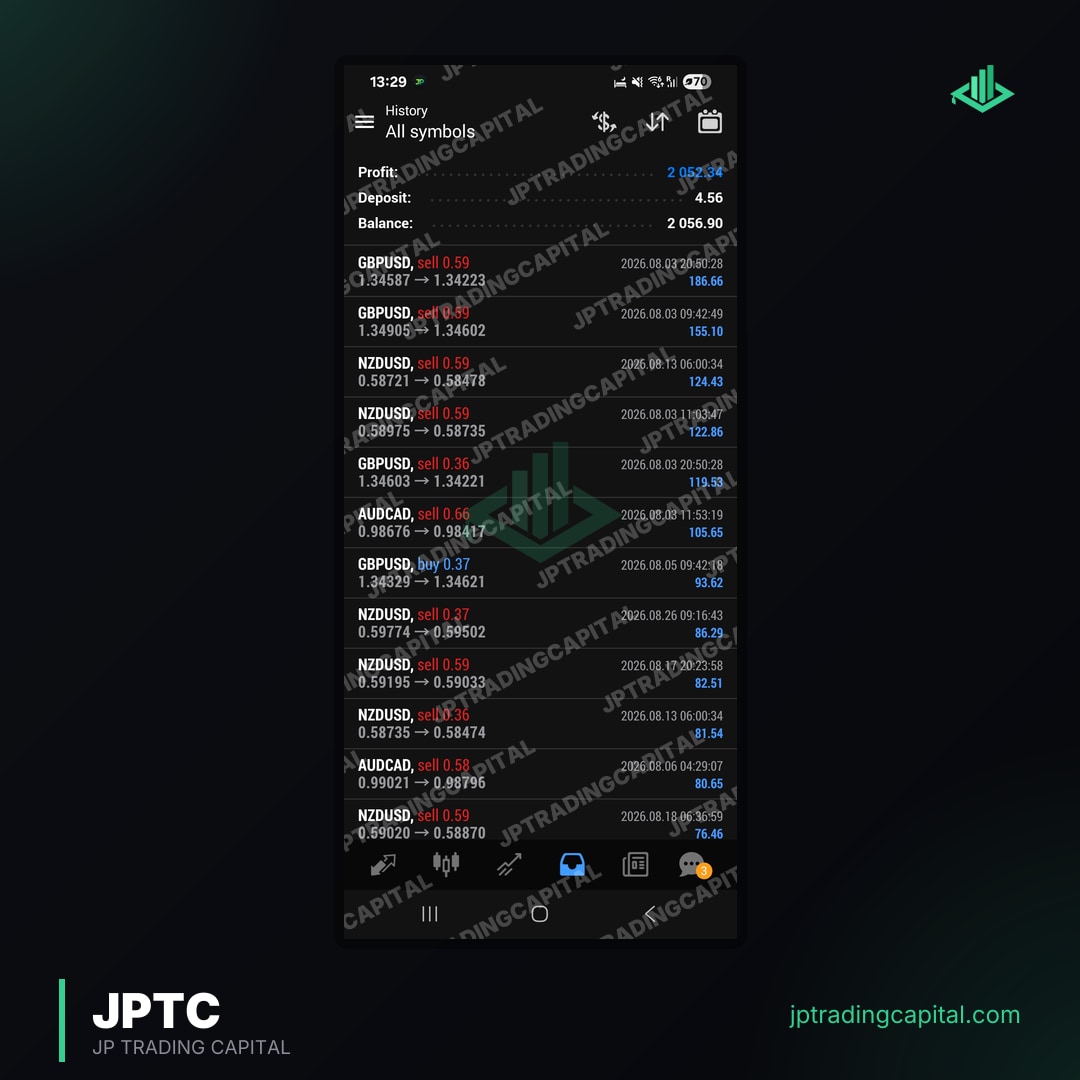
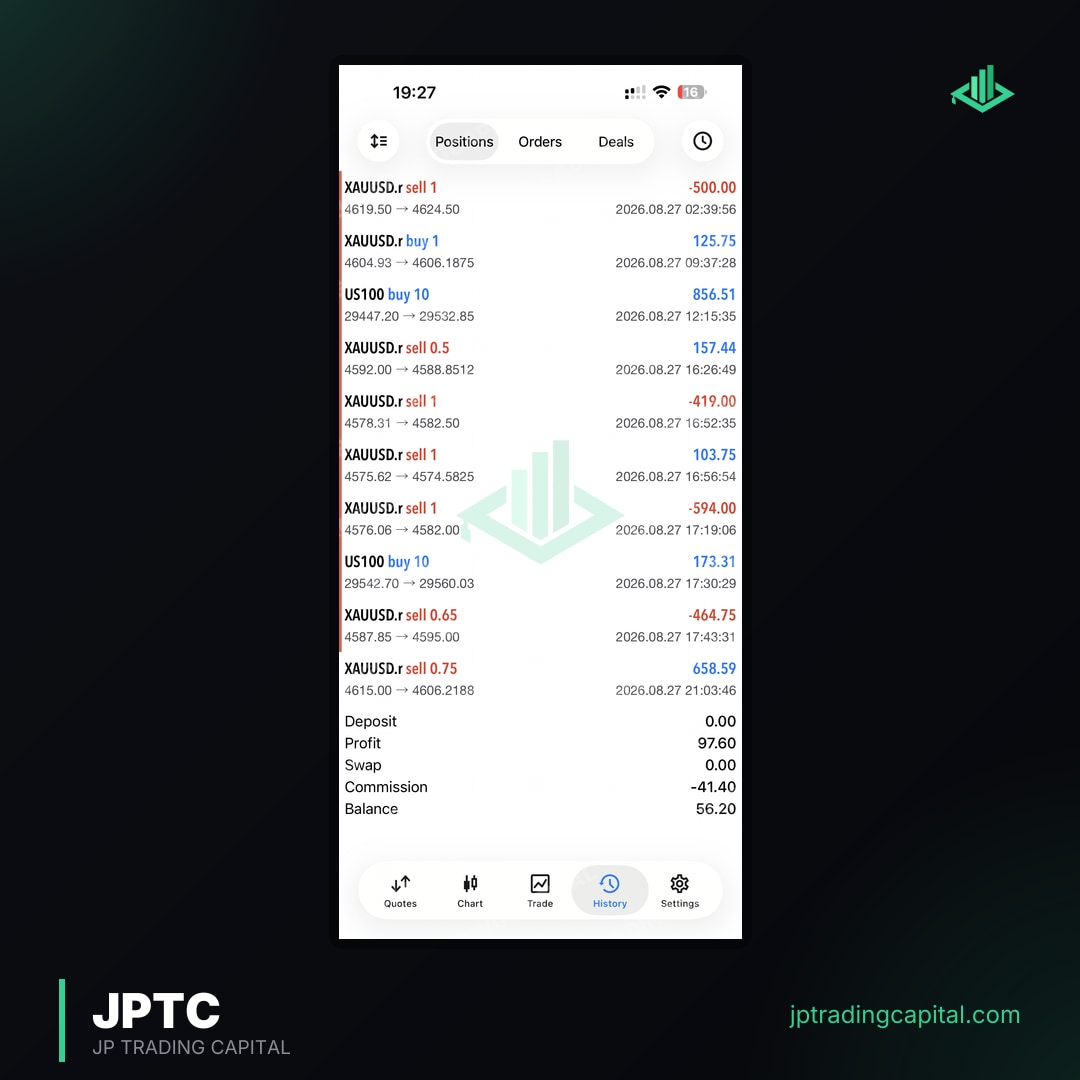
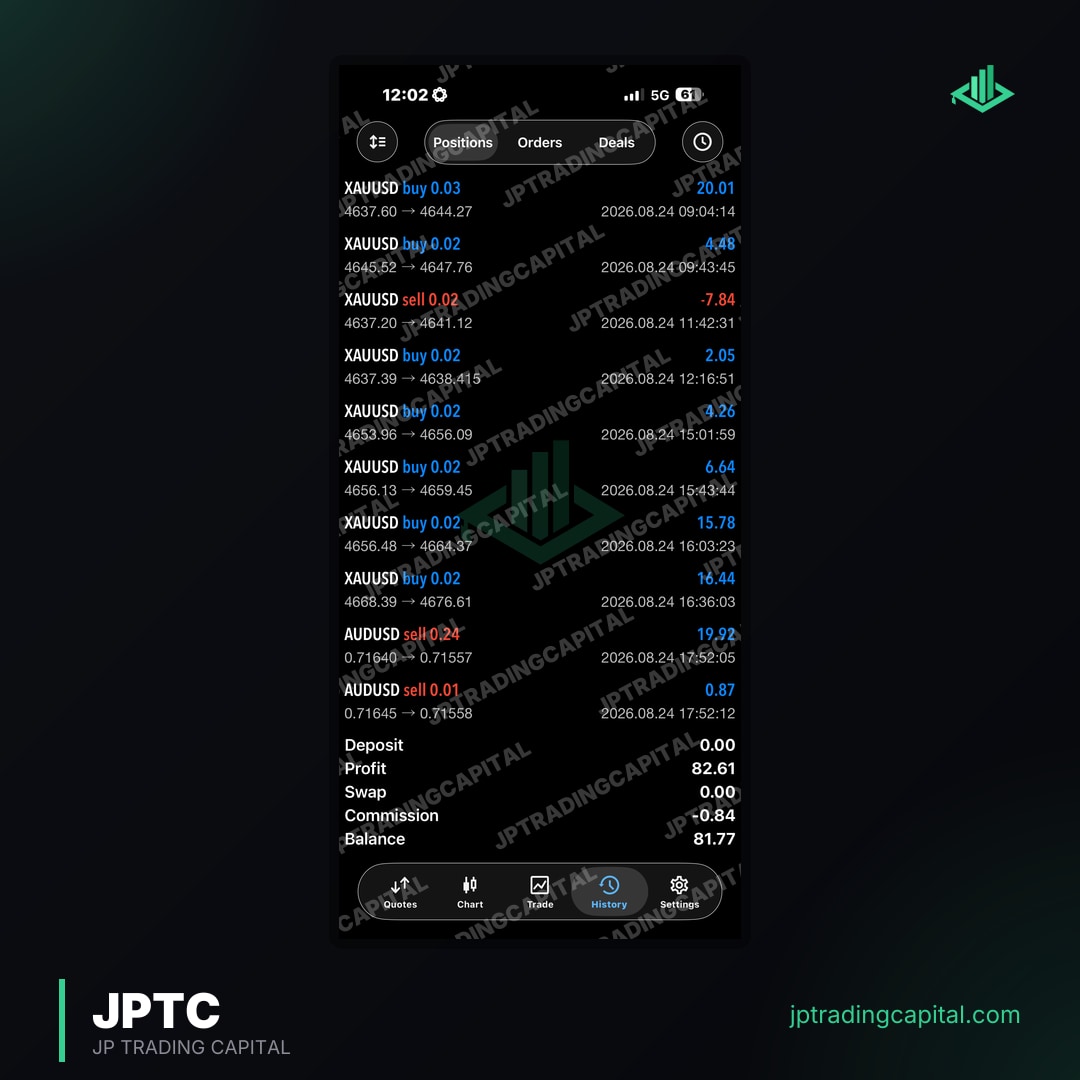
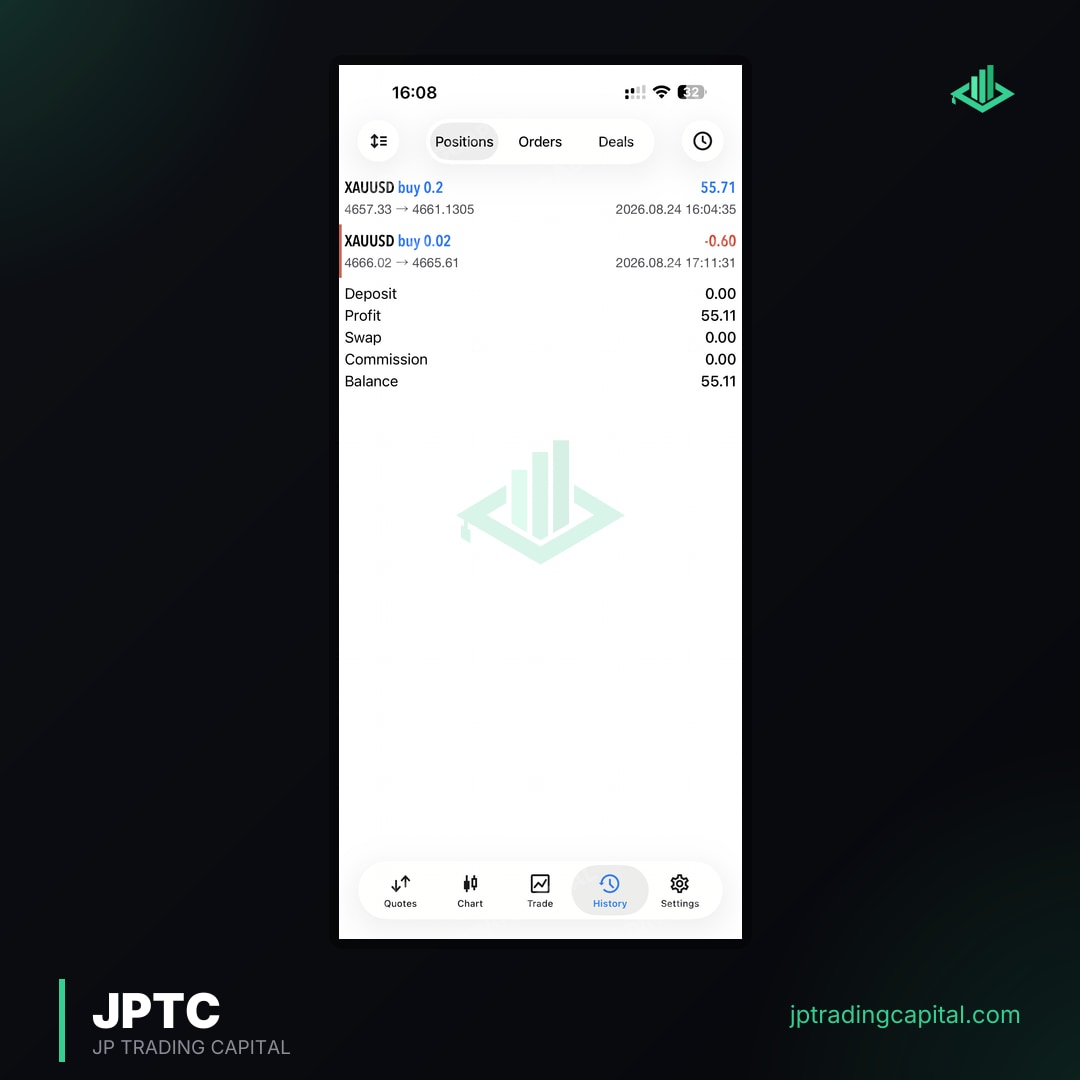
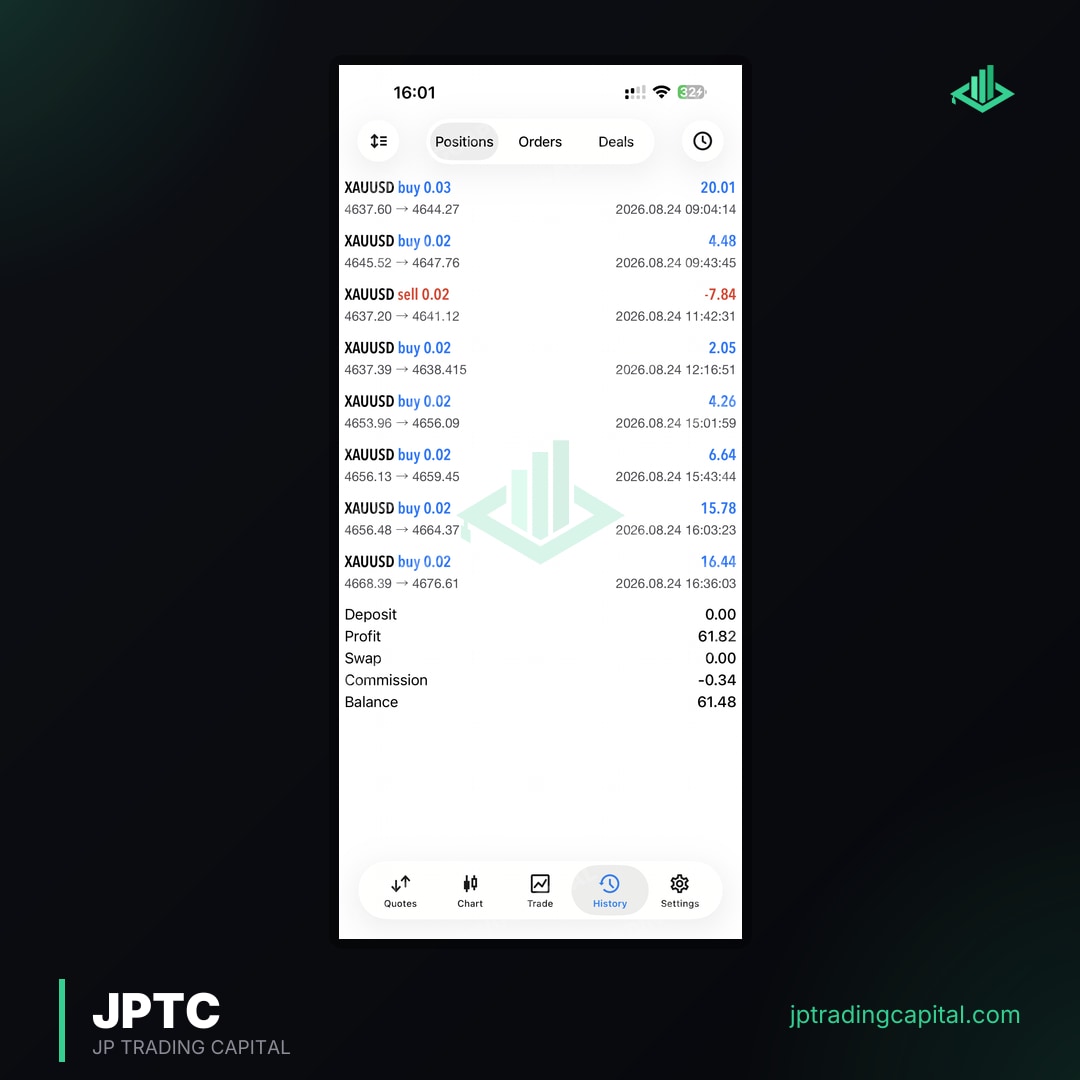
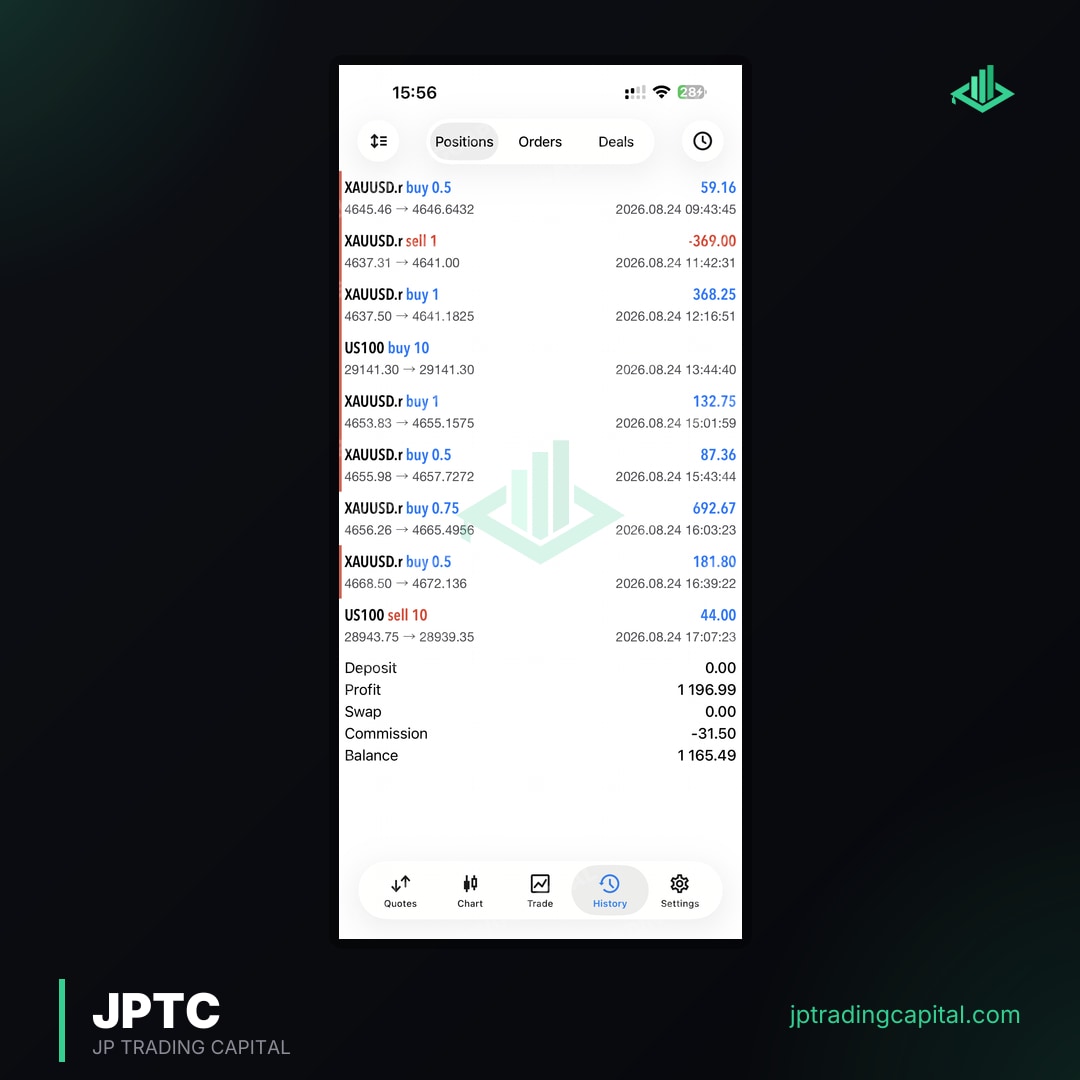
Navigating the complex and often changing rules of prop trading firms can be challenging, especially when aiming for consistency and profitability. JPTradingCapital specializes in building trading tools designed to meet these demands head-on. Our flagship product, the JPTC EA Hub, is an automated Expert Advisor (EA) pre-configured with backtested strategies that are meticulously designed to respect prop-firm rules. This includes adherence to critical parameters such as daily drawdown caps, maximum loss limits, and consistency requirements. The JPTC EA Hub is compatible with MetaTrader 4 and MetaTrader 5 platforms and works seamlessly across a wide array of popular prop firms, including FTMO, FundedNext, FXify, TopStep, The5ers, and E8 Funding. By automating the trading process with strategies that inherently comply with prop firm regulations, traders can significantly increase their chances of passing evaluations and securing funded accounts. Check the original account data, reporting period, drawdowns and test conditions. A company's own published figures are not an independent audit and do not establish future performance. See JPTradingCapital's published track record for the monthly figures demonstrating algorithmic consistency.
Automating Compliance and Profitability
Automating the trading process with a compliant EA addresses a common pain point for prop traders: the psychological pressure of constantly monitoring drawdown limits and other restrictions. An EA like the JPTC EA Hub operates based on pre-defined parameters, executing trades only when conditions align with both the strategy and the prop firm's rules. This removes emotional decision-making and ensures that trades are placed with a clear understanding of their impact on the account's risk parameters. This automation is particularly valuable for futures trading, where rapid market shifts can occur. By leveraging such tools, traders can focus on strategy development and account management, rather than the minutiae of rule adherence. Our tools are designed to help traders achieve their goals, and understanding our approach to building these tools can be found on our EA page.
Passing Evaluation Challenges
Passing prop firm evaluation challenges is the primary goal for many traders. Flexible trading rules can make this process more accessible, but the underlying need for a profitable strategy remains. Automated solutions offer a structured way to approach these challenges. The JPTC EA Hub is built with the objective of passing these evaluations, incorporating strategies that have been backtested and refined. The goal is to provide traders with a reliable method for demonstrating their trading prowess within the defined parameters of the evaluation. Success in these challenges is often about consistent execution and risk management, areas where automated trading systems excel. Many traders look for proven methods to pass, and we offer insights on our passing page.
Angles Competitors Miss: Deeper Flexibility Insights
While many prop firms now offer some degree of flexibility, they often overlook key areas that can significantly impact a trader's success and overall experience. JPTradingCapital's focus on building tools for prop traders allows us to observe these gaps firsthand.
1. Real-Time Strategy Adaptation vs. Static Rules
Competitors often highlight static flexibility, such as higher drawdown limits. However, they rarely address the need for real-time adaptation of trading strategies within the prop firm's framework. Markets are dynamic; a strategy that works perfectly today might need subtle adjustments tomorrow. Truly flexible prop firms would ideally allow for minor, documented adjustments to trading parameters that reflect evolving market conditions, without requiring a complete re-evaluation. This could involve allowing traders to adjust stop-loss or take-profit levels within a defined range, or modifying trade entry criteria based on updated volatility metrics, provided these changes are logged and do not violate core risk parameters. This is an area where automated systems, like those developed by JPTradingCapital, can help by allowing for swift, rule-compliant strategy modifications.
2. Flexibility in Trading Hours for Different Time Zones
Many prop firms have rules that implicitly favor traders in certain time zones, often based on when their support is available or when market analysis is typically conducted. A truly flexible prop firm acknowledges global participation. This means offering support across multiple time zones and having rules that do not disadvantage traders operating during off-peak hours for the firm's primary location. For instance, if a firm has a strict rule about responding to support queries within a certain timeframe, this can be problematic for traders in significantly different time zones. Flexible firms might offer asynchronous communication channels or extended support hours to accommodate a worldwide client base. This also extends to trading futures, which are often 24-hour markets, allowing traders to capitalize on opportunities regardless of their local time.
3. Integration of Advanced Risk Management Tools
While firms mention drawdown limits, they often don't integrate or acknowledge the use of advanced risk management tools that traders employ. Tools like Trailing Stop Loss EAs, Position Sizing Calculators, or even correlation matrices can be crucial for managing risk effectively in complex markets. A forward-thinking prop firm might offer guidance or even platform integrations that support the use of such tools, provided they align with the firm's overall risk objectives. For example, a firm could endorse the use of a specific type of trailing stop EA that has been vetted for compliance. This goes beyond just setting limits and actively supports traders in developing robust risk management practices. JPTradingCapital's EAs are designed with these advanced risk management principles in mind, ensuring that compliance and sophisticated risk control go hand-in-hand. Understanding the results achievable with such integrated approaches can be seen on our results page.
FAQ
What is the main benefit of flexible trading rules in prop futures accounts?
Do flexible trading rules mean prop firms have no risk management?
Can I use an EA with prop firms offering flexible rules?
How do flexible profit targets work in prop trading?
Related Articles
- Exact FundedNext Futures Restricted Countries: 2026 Update · Read more →
- Best Straight to Funded Prop Firms: 5 Key Rules for 2026 Success · Read more →
- 7 Best Indicators for Futures Prediction: Prop Firm Edge (2026) · Read more →
- Exact ES Micro Swing MR4 System: Pass Prop Firms in 2026 · Read more →
- Nyao Scalper MT5: Source Review and Test Limits · Read more →
- Trading Algorithm Portfolio Diversification Beyond Setfile Count · Read more →
- Trade Copier Offset Stop Loss and Take Profit · Read more →
- Trade Copier Broker Price Differences Explained · Read more →
- Pass FTMO Challenge 2026: Exact Rules & Strategies for Success · Read more →
- FundedNext Scaling Plan 2026: Unlock $4M & 90% Profit · Read more →
Futures Challenge Preparation
Software, reviewed setfiles, a written risk plan and community access built around common evaluation rules. No software can guarantee a pass.
Get Started