Exact FundedNext Futures Restricted Countries: 2026 Update
Material update: 15 October 2026: specifically identified source references, unsupported own-product/result qualifications or account-rule wording corrected. Existing publication status and URL retained. 15 October 2026: Additional own-results verification/audit wording corrected to company-published broker-statement scope.

FundedNext Futures restricts traders from a specific list of countries, primarily due to international sanctions, regulatory compliance, and operational limitations. As of 2026, the key jurisdictions commonly identified as restricted for FundedNext Futures include Afghanistan, Albania, Antigua and Barbuda, Belarus, Democratic Republic of the Congo, Djibouti, Eritrea, Iran, Myanmar, North Korea (DPRK), Palestinian Territory (Occupied), and Rwanda.
- FundedNext Futures has a distinct list of restricted countries compared to its CFD offerings.
- Restrictions stem from international sanctions, regulatory mandates, and payment processing challenges.
- Traders should verify their country's eligibility directly on the FundedNext platform before applying.
- Citizenship, residency, and even IP address location can influence trading eligibility for prop firms.
- Policies are subject to change, making ongoing verification essential for all prop firm traders.
Understanding FundedNext Futures Country Restrictions: 2026 Policy
FundedNext, like many prop trading firms, operates under a strict framework of international regulations and financial compliance, leading to specific country restrictions for its Futures trading programs. As of 2026, our research indicates that traders residing in or citizens of certain jurisdictions are unable to participate in FundedNext Futures challenges. This policy aims to ensure adherence to global anti-money laundering (AML) protocols and sanctions imposed by various regulatory bodies.
Country eligibility must be checked for the specific FundedNext Futures program. Confirm the current rules for your residence and nationality in the provider's official eligibility information before registering.
- Afghanistan
- Albania
- Antigua and Barbuda
- Belarus
- Democratic Republic of the Congo
- Djibouti
- Eritrea
- Iran
- Myanmar
- North Korea (DPRK)
- Palestinian Territory, Occupied
- Rwanda
It is important to note that this list is compiled from publicly available information and may be subject to updates. For the most current and definitive list of FundedNext's policies, traders should always consult the official FundedNext website or contact their support team directly. JPTradingCapital emphasizes that staying informed about these restrictions is a critical first step for any aspiring prop firm trader, especially those planning to utilize automated strategies like the JPTC EA Hub.
Why Do Prop Firms Like FundedNext Impose Country Restrictions?
Proprietary trading firms impose country restrictions due to a complex interplay of legal, regulatory, and operational factors designed to mitigate risk and ensure compliance with international financial laws. These restrictions are not arbitrary but are a necessary part of operating in the highly regulated financial sector.
International Sanctions and Geopolitical Risk
One primary reason for restricting certain countries is adherence to international sanctions lists. Governments and international bodies, such as the United Nations or the Office of Foreign Assets Control (OFAC) in the United States, impose economic sanctions on countries or individuals for various reasons, including terrorism, human rights violations, or nuclear proliferation. Financial institutions, including prop firms, must comply with these sanctions to avoid severe legal penalties, fines, and reputational damage. Countries like North Korea, Iran, and Syria often appear on these lists, directly impacting their citizens' ability to access global financial services. This compliance is a cornerstone of Anti-Money Laundering (AML) regulations.
Regulatory Compliance and Broker Partnerships
Prop firms often partner with regulated brokers to execute trades. These brokers are themselves subject to strict licensing and regulatory requirements in the jurisdictions where they operate. If a broker is not licensed to operate in a particular country, or if the regulatory environment in that country is deemed too complex or risky, the prop firm will inherit those restrictions. The cost and complexity of obtaining licenses in every country are prohibitive, leading firms to focus on jurisdictions with clearer regulatory frameworks.
Payment Processing and Operational Challenges
Even if a country isn't under direct sanctions, practical challenges can lead to restrictions. Payment processors, banks, and other financial intermediaries may have their own internal policies that prevent them from operating in certain regions due to high fraud rates, political instability, or insufficient banking infrastructure. This makes it difficult for prop firms to process deposits and withdrawals for traders in those countries, creating significant operational hurdles. Additionally, the legal and administrative complexities of verifying identities (KYC - Know Your Customer) in some jurisdictions can be insurmountable.
Key Differences: FundedNext Futures vs. CFD Restricted Countries
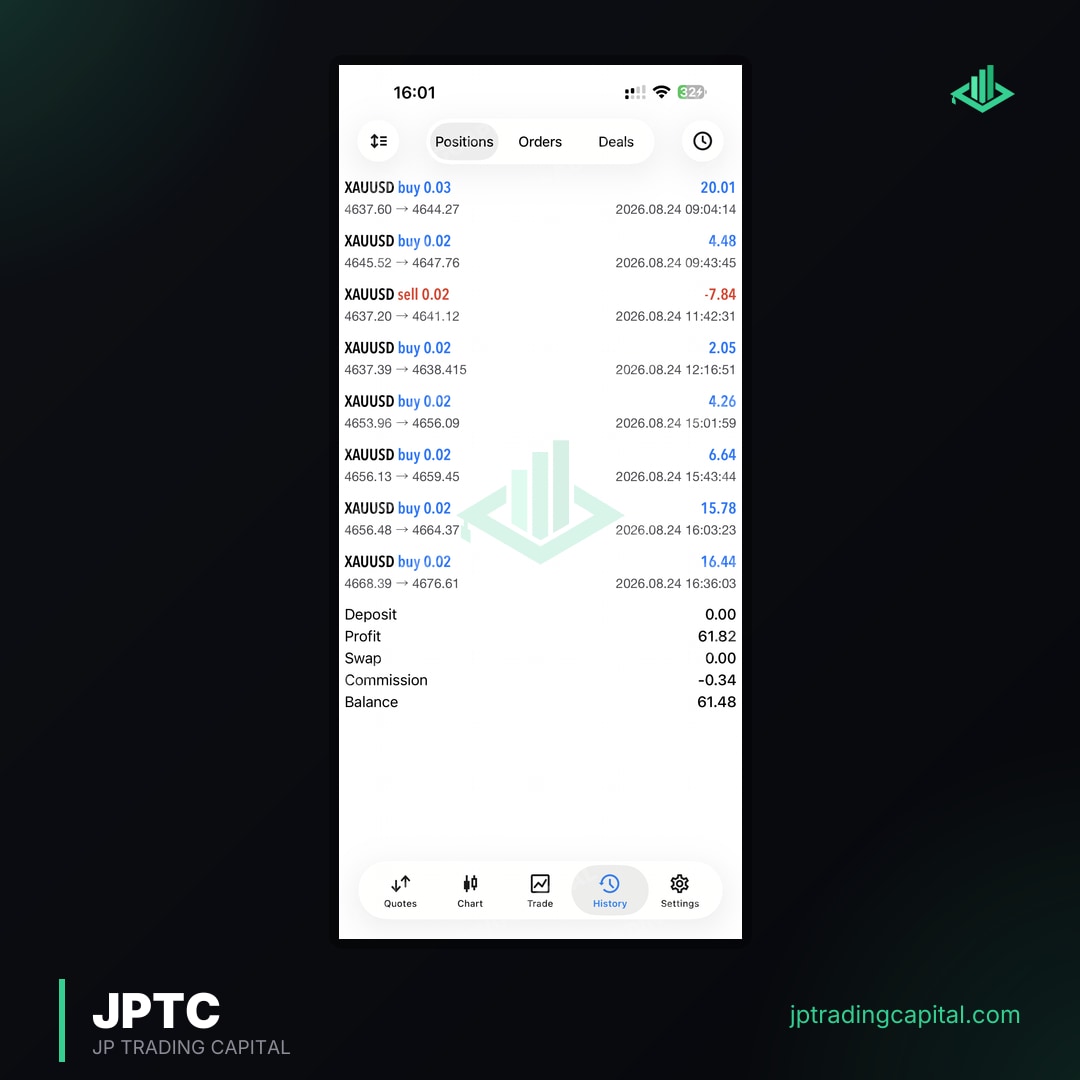
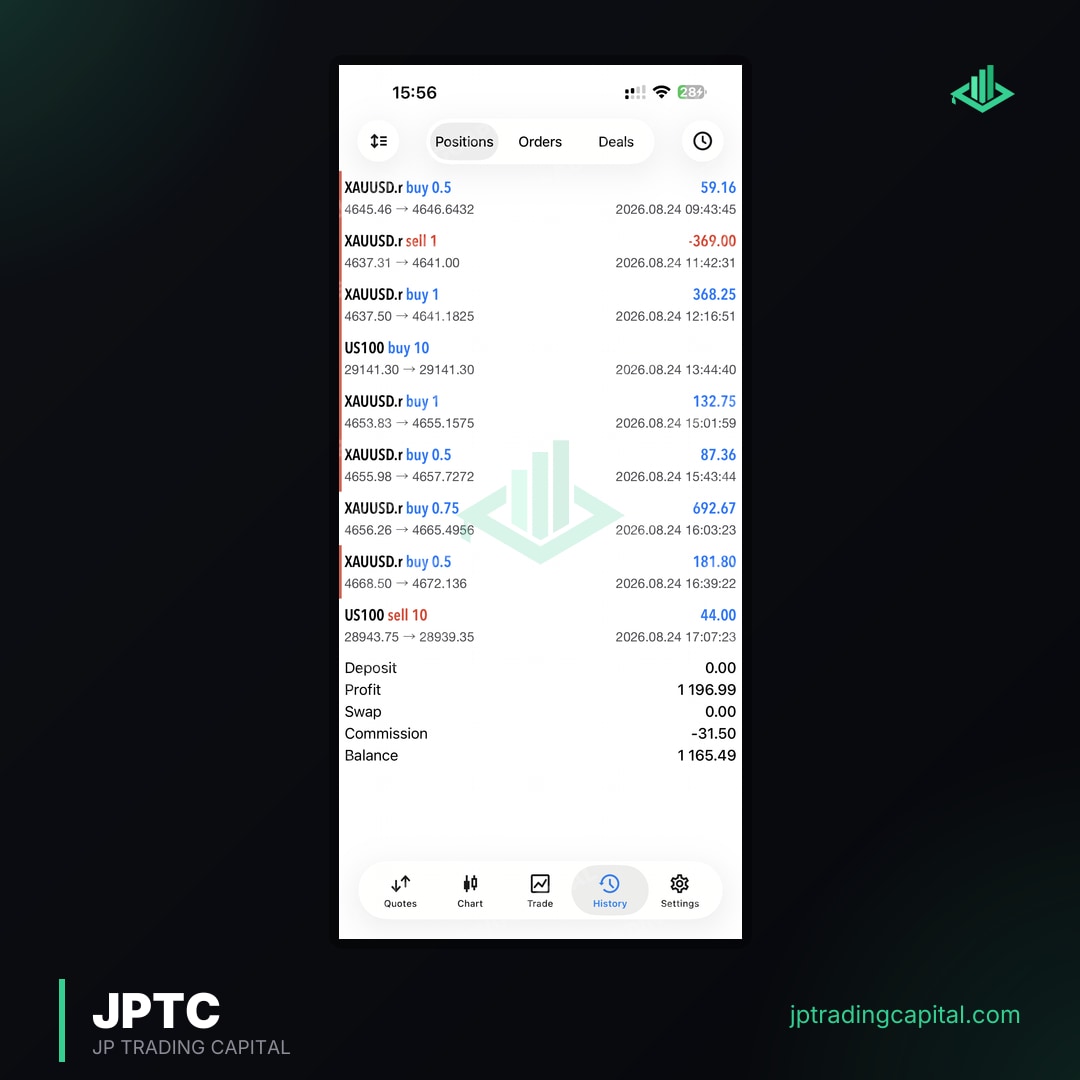
It is crucial for traders to understand that the list of restricted countries for FundedNext Futures accounts is often distinct from the list for FundedNext CFD accounts, reflecting different underlying brokerage partnerships and regulatory landscapes. While some countries may appear on both lists due to overarching geopolitical sanctions, others might be restricted for one instrument but not the other.
The distinction arises because Futures contracts and Contracts for Difference (CFDs) are different financial instruments, often traded through different brokers who operate under varying regulatory mandates. A broker specializing in Futures might have different jurisdictional permissions or risk assessments than a broker offering CFDs. Country eligibility must be checked separately for each program; a CFD restriction list should not be used as a substitute for the current Futures list.
Traders must therefore be precise when checking their eligibility: always specify whether you are inquiring about FundedNext Futures or FundedNext CFDs. Assuming the lists are identical can lead to wasted time and effort, or even account suspension if a trader from a restricted CFD country attempts to trade CFDs under the impression that Futures eligibility applies universally. JPTradingCapital advises traders to verify their specific instrument of interest on the FundedNext platform to avoid any confusion.
Navigating Restrictions as a Prop Firm Trader
Understanding and navigating country restrictions is paramount for any prop firm trader, especially those leveraging automated strategies, as non-compliance can lead to account termination. While direct circumvention of restrictions is not advised and can lead to severe consequences, traders can take proactive steps to ensure legitimate participation.
Verifying Eligibility Based on Citizenship and Residency
The primary factor for eligibility is typically your country of legal residence or citizenship. Most prop firms require proof of address and identity. If you are a citizen of a restricted country but a legal resident of an unrestricted one, you might be eligible, provided you can supply verifiable documentation. However, some firms also consider citizenship, so always clarify this with FundedNext support.
The Impact of Travel and IP Addresses
For traders who travel frequently, using a Virtual Private Network (VPN) might seem like a solution to bypass IP-based restrictions. However, using VPNs to mask your true location to circumvent restrictions is generally against prop firm terms of service and can result in account closure. Firms often have sophisticated systems to detect such activity. If you intend to trade while traveling, especially to a country on a restricted list, it is crucial to inform FundedNext beforehand and understand their specific policies. Our experience at JPTradingCapital shows that transparency is always the best policy.
Staying Updated with Policy Changes
Geopolitical situations and regulatory environments are dynamic. A country unrestricted today might become restricted tomorrow, and vice-versa. Traders should regularly check FundedNext's official terms of service and help documentation for updates. Subscribing to their newsletters or following their official announcements can also help you stay informed about any changes to the list of FundedNext futures restricted countries.
Ensuring Compliance for Automated Trading with JPTradingCapital
For traders utilizing Expert Advisors (EAs) or other automated trading systems, understanding and adhering to FundedNext Futures restricted countries policies is an integral part of successful prop firm trading. The JPTC EA Hub, developed by JPTradingCapital, is designed to help traders navigate prop firm challenges by adhering to strict trading rules, but it cannot override country-specific eligibility requirements.
Our flagship JPTC EA Hub, compatible with MT4 and MT5, is pre-configured with backtested strategies that respect common prop-firm rules like daily drawdown caps and maximum loss limits. While our EAs focus on strategy and risk management, the onus remains on the trader to ensure their personal eligibility with firms like FundedNext, FTMO, FXify, TopStep, and The5ers. For an example of what a multi-year live algorithmic track record looks like, traders can review JPTradingCapital's published track record.
Before deploying any automated strategy, including those from JPTradingCapital, on a FundedNext Futures account, confirm your country's eligibility. Integrating tools like the JPTC EA Hub requires that the foundational account setup, including jurisdictional compliance, is already in place. Our EAs are built to maximize your chances of passing prop firm challenges by optimizing trading performance within defined parameters, not by circumventing essential regulatory requirements.
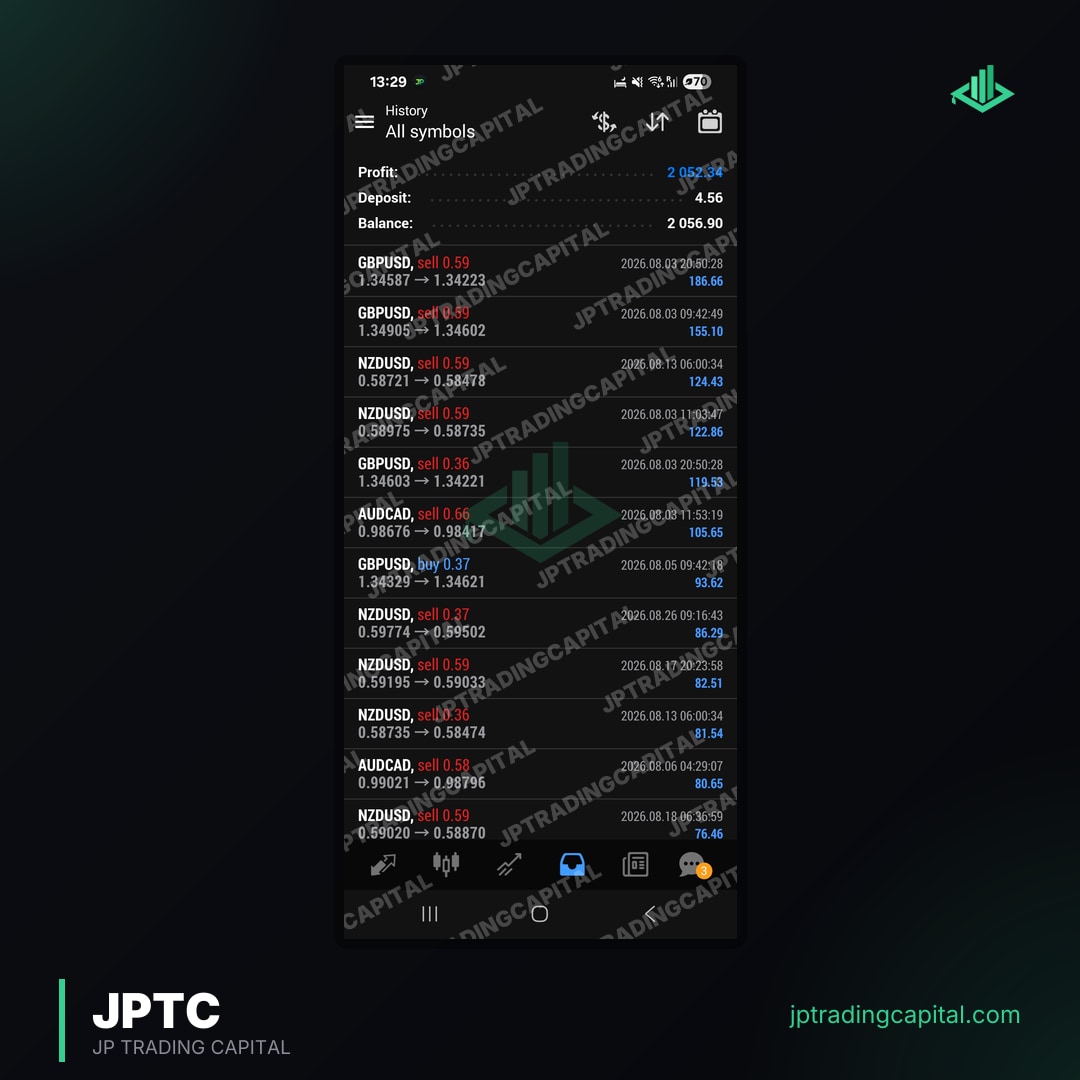
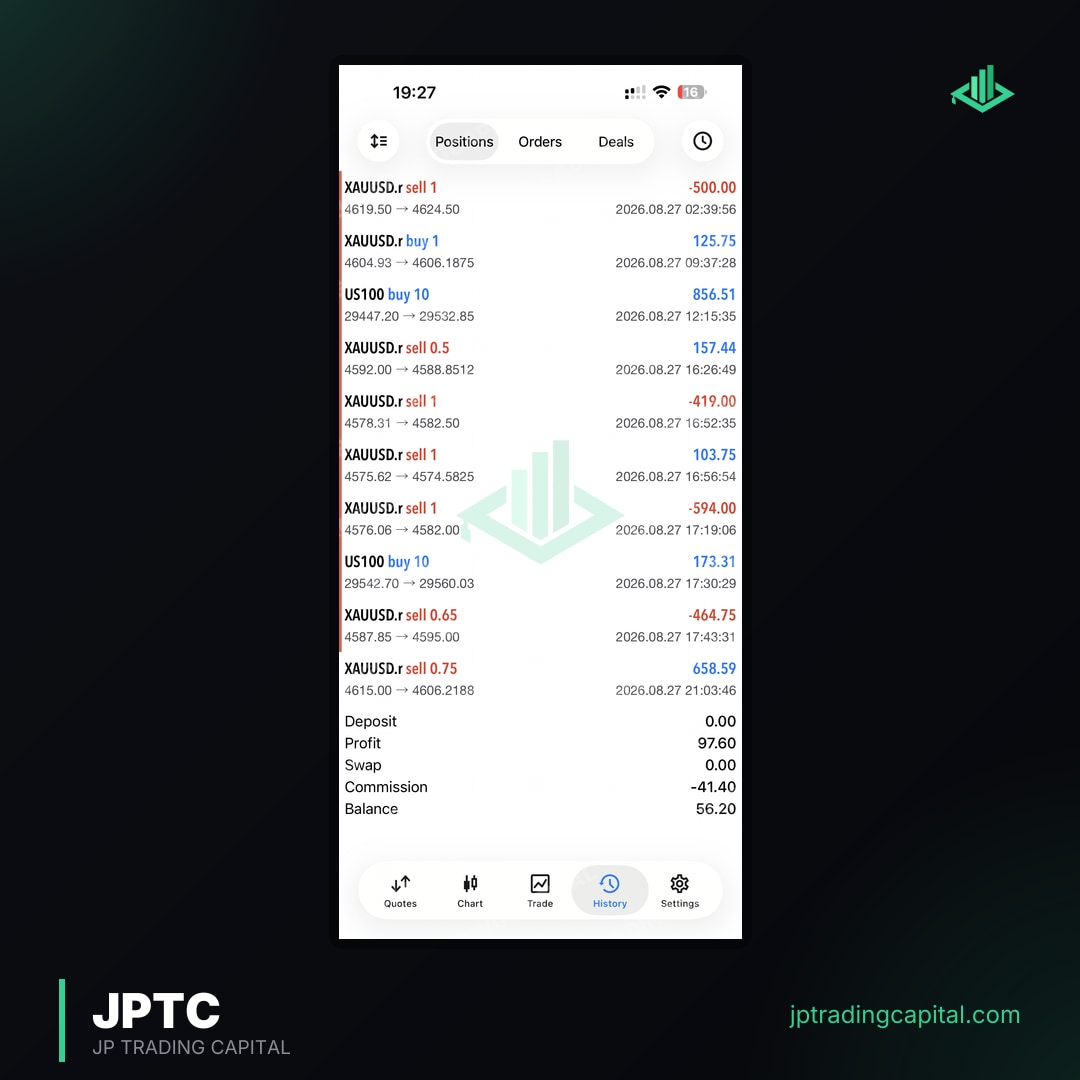
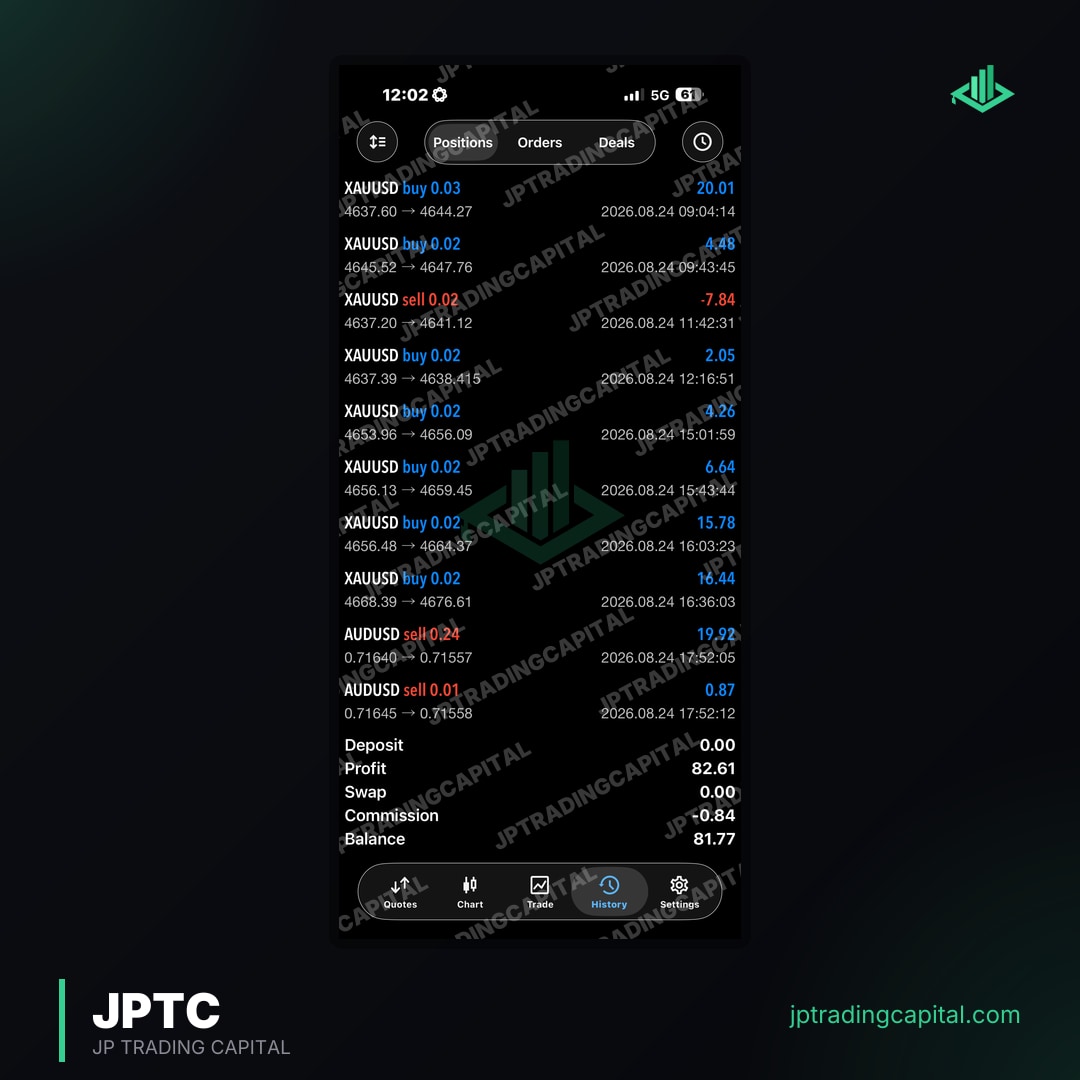
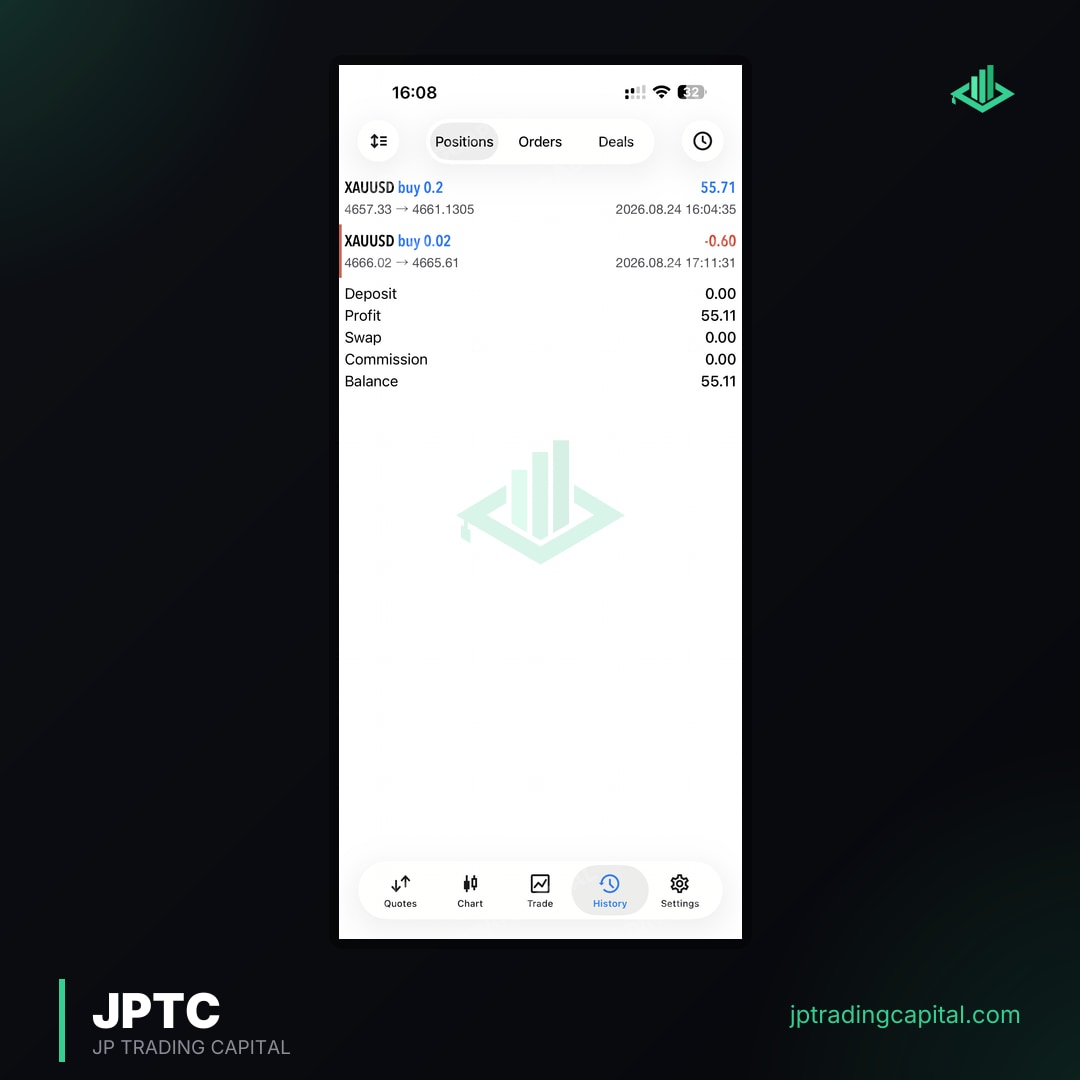
JPTradingCapital publishes monthly figures from broker statements on its results page. The broker’s own account record is not an independent audit; these figures do not establish future performance or compliance for another strategy. More information: EA product page.
What are the main reasons FundedNext restricts certain countries?
Is the list of restricted countries the same for FundedNext Futures and CFDs?
What should I do if my country is restricted for FundedNext Futures?
Can I trade with FundedNext Futures if I'm a citizen of a restricted country but reside elsewhere?
How often do FundedNext's country restriction policies change?
Related Articles
- Best Straight to Funded Prop Firms: 5 Key Rules for 2026 Success · Read more →
- 7 Best Indicators for Futures Prediction: Prop Firm Edge (2026) · Read more →
- Exact ES Micro Swing MR4 System: Pass Prop Firms in 2026 · Read more →
- Nyao Scalper MT5: Source Review and Test Limits · Read more →
- Trading Algorithm Portfolio Diversification Beyond Setfile Count · Read more →
- Trade Copier Offset Stop Loss and Take Profit · Read more →
- Trade Copier Broker Price Differences Explained · Read more →
- Multi-Market EA Validation Without Curve Fitting · Read more →
- Prop Firms Funded Futures: Flexible Rules 2026 · Read more →
- Pass FTMO Challenge 2026: Exact Rules & Strategies for Success · Read more →
Futures Challenge Preparation
Software, reviewed setfiles, a written risk plan and community access built around common evaluation rules. No software can guarantee a pass.
Get Started