Algo Failure: What Happens When Your Trading Algorithm Fails?

When a trading algorithm fails, it can lead to immediate and substantial financial losses, rapid account drawdowns, and even the termination of a prop firm evaluation or live account. Critical issues include exceeding daily or maximum loss limits, unexpected trade executions, and severe psychological stress, necessitating prompt intervention and a robust recovery plan.
- Rapid drawdowns can quickly deplete capital, exceeding prop firm loss limits.
- Uncontrolled trades may lead to significant losses, jeopardizing account standing.
- Prop firm evaluations often fail due to unexpected violations of trading rules.
- Early detection and swift intervention are crucial for minimizing financial damage.
- Psychological impact can affect a trader's confidence and decision-making.
The Immediate Fallout: What Happens When Your Trading Algorithm Fails?
For prop firm traders and retail investors alike, the moment a trading algorithm veers off course can be terrifying. Unlike manual trading where human intervention can often prevent catastrophe, an automated system can spiral out of control with alarming speed. Understanding exactly what happens when a trading algorithm fails is the first step towards preparing for and mitigating such events.
Rapid Drawdowns and Account Breaches
One of the most immediate and devastating consequences of an algorithmic failure is a rapid drawdown. An algorithm might, for instance, open positions with incorrect lot sizes, trade against a strong trend it was designed to follow, or simply fail to close losing trades. This can lead to your account equity plummeting in minutes or hours. For prop firm traders, this is particularly critical. Firms like FTMO and FundedNext enforce strict daily and maximum drawdown limits. Exceeding these limits, even by a small margin, typically results in the immediate termination of your evaluation or funded account. This means not only losing your progress but also any fees paid for the challenge.
Prop Firm Evaluation Failure and Account Loss
The rules set by prop firms (e.g., daily drawdown caps, maximum loss limits, consistency rules) are non-negotiable. When a trading algorithm fails, it often breaches these rules, leading to instant disqualification. Consider an EA designed to trade a specific breakout strategy. If a technical glitch causes it to open trades simultaneously on multiple pairs, or if a sudden market shift invalidates its logic, it could quickly rack up losses that exceed the daily or maximum drawdown allowance. This scenario is a common reason why promising evaluations on platforms like FXify, TopStep, or E8 Funding are abruptly ended. The JPTradingCapital team understands these constraints deeply, which is why our JPTC EA Hub is built with pre-configured strategies that inherently respect these critical prop firm rules.
Psychological Impact on the Trader
Beyond the financial implications, the psychological toll of an algorithm failure can be immense. Watching an automated system, which you've invested time and effort into, hemorrhage capital can induce significant stress, anxiety, and self-doubt. This emotional impact can extend beyond the trading account, affecting future decision-making and confidence in automated strategies. Traders who experience such failures might become overly cautious or, conversely, try to overcompensate with manual trades, often leading to further losses.
Common Causes of Algorithm Failure
Understanding what happens when a trading algorithm fails also requires knowing why it fails. Failures are rarely random; they usually stem from identifiable causes, many of which can be anticipated and mitigated.
Market Condition Mismatch
Trading algorithms are often optimized for specific market conditions (e.g., trending, ranging, low volatility). A significant shift in these conditions can render a strategy ineffective or even detrimental. For example, an EA designed for stable ranging markets might perform disastrously during a sudden, high-volatility news event. Conversely, a trend-following algorithm might suffer during prolonged periods of sideways movement. The market is dynamic, and algorithms, by their nature, are static until updated. This mismatch is a leading cause of unexpected losses.
Technical Glitches and Connectivity Issues
Even the most robust trading logic can be undermined by technical problems. This includes:
- Server Issues: Problems with your broker's server or your virtual private server (VPS) can cause trades to not execute, or signals to be missed.
- Internet Connectivity: A dropped internet connection, even for a few seconds, can prevent orders from being sent or updated.
- Platform Bugs: Issues within the trading platform itself (e.g., MetaTrader 4 or MetaTrader 5) can lead to unexpected behavior.
- Data Feed Lapses: Inaccurate or delayed price data can cause an algorithm to make decisions based on outdated information.
Flawed Logic or Over-Optimization
This is a fundamental cause of failure, often originating during the development phase. An algorithm might have:
- Logical Errors: Bugs in the code that cause it to misinterpret signals or execute trades incorrectly.
- Over-Optimization (Curve Fitting): The strategy was optimized too closely to historical data, performing exceptionally well in backtests but failing in live, unseen market conditions. This creates a false sense of security.
- Insufficient Backtesting: Not testing the algorithm across a wide range of market conditions, different timeframes, or various currency pairs.
Data Feed Discrepancies and Slippage
The price data used for backtesting might differ from live market data, causing discrepancies. Additionally, slippage, the difference between the expected price of a trade and the price at which the trade is actually executed, can significantly impact an algorithm's profitability, especially for high-frequency strategies or during volatile periods. An algorithm that assumes perfect execution might be profitable in theory but fail in the real-world trading environment due to these factors.
Regulatory Changes or Broker Specifics
Changes in regulatory environments (e.g., leverage restrictions, FIFO rules) or specific broker conditions (e.g., minimum stop loss distances, spread variations) can render an algorithm non-compliant or unprofitable. An EA developed for one broker might not perform identically on another due to these subtle differences.
Detecting Algorithm Failure: Early Warning Signs



Early detection is paramount when considering what happens when a trading algorithm fails. The faster you identify an issue, the less damage it can inflict.
Uncharacteristic Trading Activity
Keep a close eye on your algorithm's behavior. Signs of trouble include:
- Unusual Trade Volume: Opening too many trades, or trades with significantly larger or smaller lot sizes than expected.
- Trading Unapproved Pairs: Executing trades on instruments not part of its intended strategy.
- Ignoring Parameters: Placing trades without stop losses or take profits, or opening positions against predefined rules.
- Rapid Succession of Trades: Opening and closing trades far more frequently than its strategy dictates.
Deviation from Expected Performance Metrics
Regularly compare your algorithm's live performance against its backtested results and your expectations. Significant deviations are red flags:
- Sudden Drop in Win Rate: If your winning percentage suddenly plummets.
- Increased Drawdown: A rapid increase in floating or realized drawdown beyond acceptable limits.
- Inconsistent Profit Factor: The ratio of gross profit to gross loss deviates sharply from historical averages.
- Stagnant or Declining Equity: The account equity curve flattens or starts a consistent decline when it should be growing.
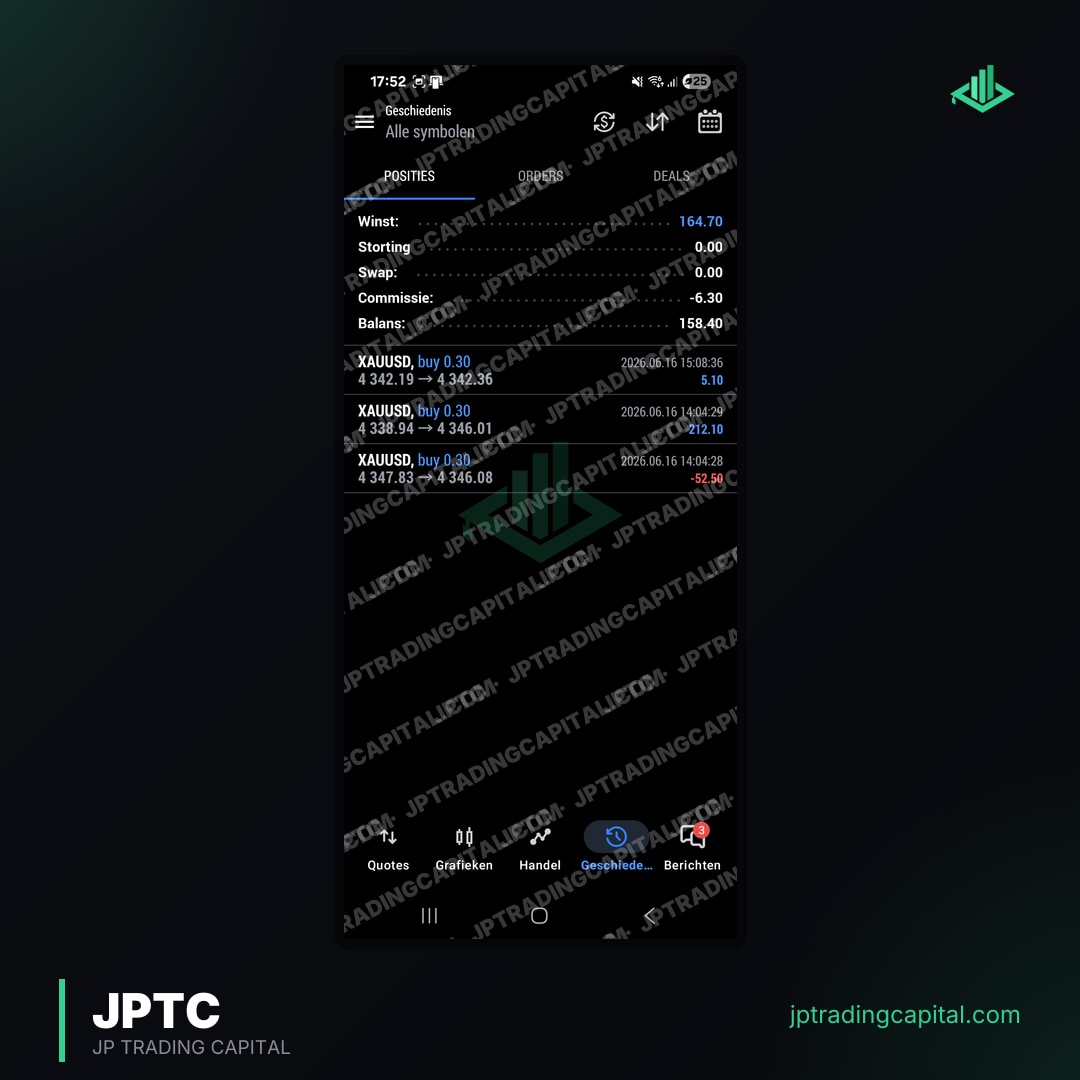
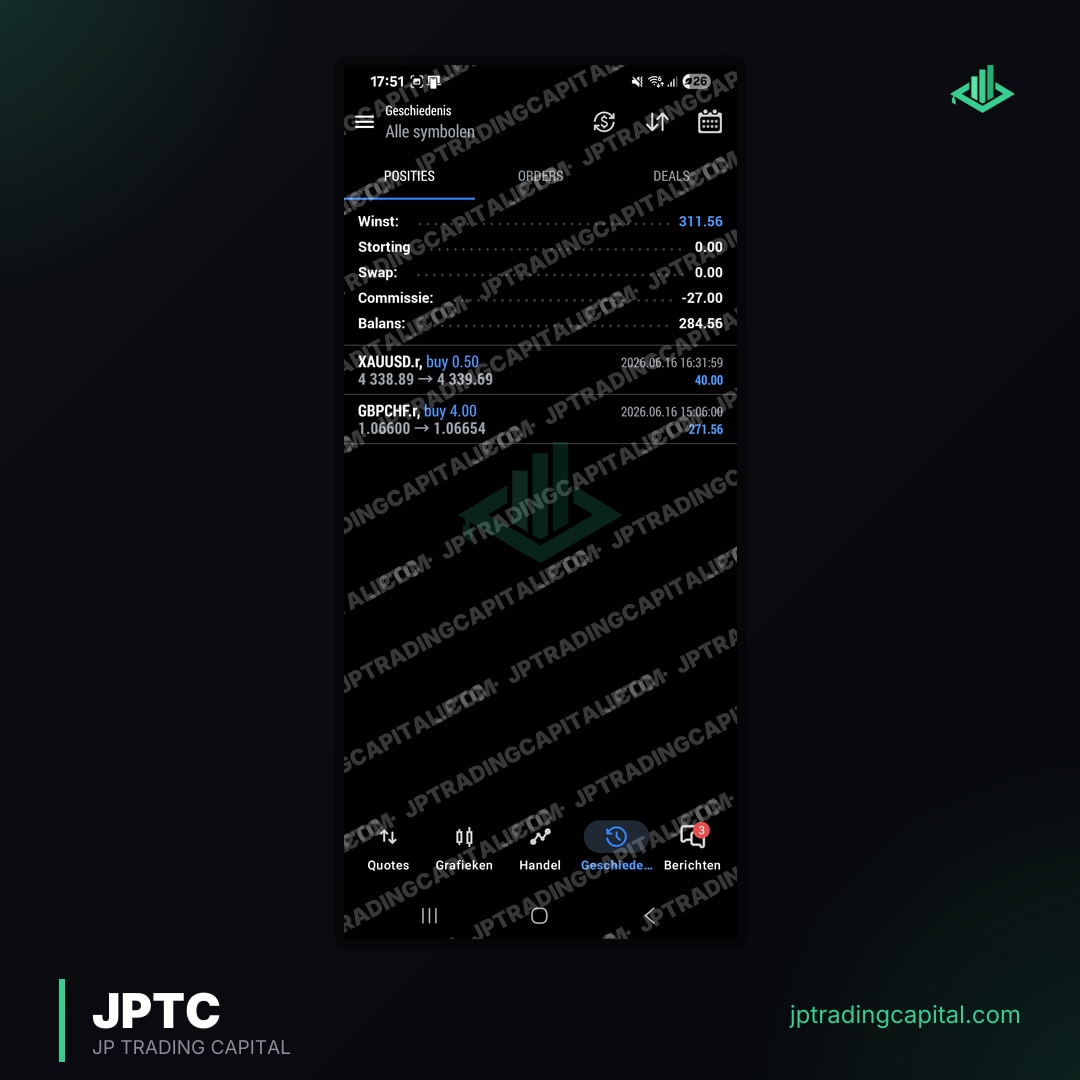
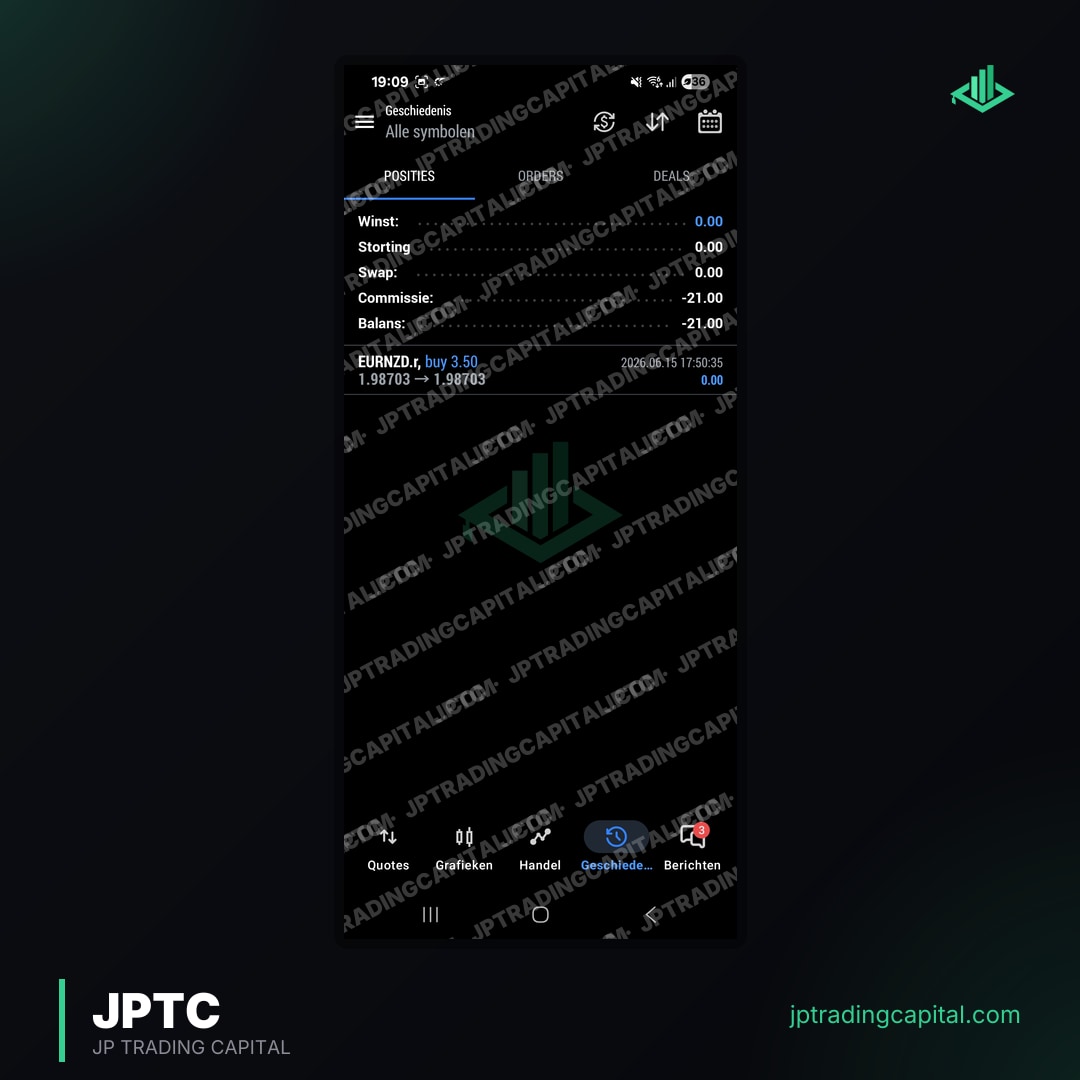
Tools like our results page are invaluable for tracking and verifying an algorithm's performance, allowing you to quickly spot anomalies. For an example of what a 2-year live algo track record looks like, see JPTradingCapital's published results.
Log File Anomalies and Error Messages
Most trading platforms (MT4/MT5) and EAs generate log files. These are critical for diagnostics. Regularly review them for:
- Error Messages: Warnings about connectivity, order execution failures, or invalid parameters.
- Repeated Actions: An algorithm trying to perform the same action repeatedly without success.
- Unexplained Pauses: Periods where the algorithm is expected to be active but shows no activity.
Mitigating Risk and Preventing Algo Failure
Prevention is always better than cure. Proactive measures can significantly reduce the likelihood of what happens when a trading algorithm fails becoming a reality.
Robust Backtesting and Forward Testing
Thorough testing is the cornerstone of a reliable algorithm. Backtesting should cover diverse market conditions over many years, including periods of high volatility, low volatility, and major economic events. However, backtesting alone is insufficient. Forward testing (or demo account testing) in live market conditions provides an additional layer of validation, ensuring the algorithm performs as expected outside of historical data. The JPTradingCapital team emphasizes rigorous backtesting and forward testing to ensure the strategies within our JPTC EA Hub are resilient and respect prop firm guidelines.
Implementing Circuit Breakers and Safety Nets
These are non-negotiable, especially for prop firm trading. Implement:
- Maximum Daily Drawdown: A hard stop that disables the EA if a certain percentage of daily loss is hit.
- Maximum Total Drawdown: A similar hard stop for overall account loss.
- Max Open Trades: Limit the number of concurrent positions to prevent over-leveraging.
- Time-Based Stops: Disable trading during high-impact news events or at specific times when volatility is unpredictable.
- Equity Protector: An EA functionality that closes all trades and stops further trading if equity drops below a certain threshold.
These safety nets act as crucial safeguards, preventing a minor glitch from escalating into a catastrophic account blow-up. Our JPTC EA Hub is specifically designed with these types of protective measures built-in, tailored to the strict rules of prop firms like FTMO, FundedNext, and The5ers.
Continuous Monitoring and Alert Systems
Even with robust testing and safety nets, active monitoring is vital. Set up alert systems (email, SMS, push notifications) for:
- Large Drawdowns: Notifying you if the account approaches its daily or maximum loss limit.
- Connectivity Issues: Alerting you if the EA loses connection to the trading server.
- Unusual Trading Activity: For example, if the EA opens a trade outside its normal trading hours or with an incorrect lot size.
Diversification and Portfolio Management
Relying on a single algorithm or strategy increases risk. Diversify by:
- Multiple Strategies: Employing different EAs that trade various instruments or market conditions.
- Different Timeframes: Spreading risk across short-term and long-term strategies.
- Varied Instruments: Trading different currency pairs, commodities, or indices.
A portfolio approach helps cushion the blow if one particular algorithm or market segment experiences a downturn.
Regular Code Reviews and Updates
Algorithms are not 'set and forget' tools. Regular review of the code, especially after market regime changes or platform updates, is crucial. Participating in communities like MQL5 can provide insights into common issues and best practices. Updates should address newly discovered bugs, adapt to changing market conditions, and incorporate new risk management features. For those interested in developing or optimizing their own EAs, resources from Investopedia on algorithmic trading concepts can be a valuable starting point.
Recovery Strategies When Your Algo Fails
Despite all precautions, an algorithm can still fail. Knowing how to react effectively is crucial for minimizing damage and learning from the experience.
Immediate Action: Halt Trading
The very first step when you suspect or confirm an algorithm failure is to stop it. Close all open trades manually if necessary, and then disable the EA. This prevents further losses and allows you to assess the situation calmly. Do not try to 'fix' it while it's still running or while trades are open.
Root Cause Analysis
Once trading is halted, conduct a thorough investigation. Review:
- Log Files: Look for error messages, unusual activity timestamps, and data discrepancies.
- Market Conditions: Were there any significant news events, sudden volatility spikes, or liquidity issues?
- Code Changes: If you recently updated the EA, did that introduce the bug?
- Broker Statements: Cross-reference executed trades with your platform's log to check for slippage or execution issues.
Identifying the root cause is essential to prevent recurrence.
Re-evaluation and Redeployment (or Replacement)
Based on your analysis, decide whether the algorithm can be fixed, needs significant re-optimization, or should be retired. If fixing, apply the necessary code changes, then rigorously re-backtest and forward test the updated version before redeploying. Sometimes, an algorithm simply becomes obsolete due to fundamental market shifts, and a new strategy is required.
Learning from Failure
Every failure is a learning opportunity. Document what happened, why it happened, and how you addressed it. This knowledge enhances your understanding of algorithmic trading and improves your risk management framework for future endeavors. Sharing these insights with a community or through an affiliate program can also benefit others and solidify your own understanding.
JPTradingCapital's Approach to Algorithmic Reliability
At JPTradingCapital, we understand the critical importance of reliability and risk management in algorithmic trading, especially for prop firm traders. Our flagship product, the JPTC EA Hub, is engineered precisely to address the concerns of what happens when a trading algorithm fails by proactively building in resilience.
The JPTC EA Hub provides automated EAs pre-configured with meticulously backtested strategies. These strategies are specifically designed to respect the stringent rules of leading prop firms, including daily drawdown caps, maximum loss limits, and consistency requirements. This means our EAs come with built-in safety nets, minimizing the risk of a catastrophic failure that could lead to account termination on platforms like FTMO, FundedNext, FXify, TopStep, The5ers, and E8 Funding.
We pride ourselves on transparency and verifiable performance. Our EAs operate on both MT4 and MT5, and our commitment to robust, secure algorithmic trading is demonstrated by our multi-year verified live track record, which you can examine on JPTradingCapital's published results. This provides tangible proof of our dedication to building reliable trading tools that empower prop firm traders to navigate evaluations successfully and manage risk effectively in live trading.
What is the most common reason for a trading algorithm to fail?
How can I prevent my trading algorithm from exceeding prop firm drawdown limits?
What should I do immediately if I suspect my trading algorithm is failing?
Can a trading algorithm recover after a significant failure?
How does JPTradingCapital ensure its EAs avoid common algorithm failures?
Related Articles
- Build Passive Income with Forex Trading Automation · Read more →
- MT4 vs MT5 for Prop Firm Trading: Which Platform to Choose? · Read more →
- Discord Trading Communities: Why Serious Traders Use Them · Read more →
- Daily Gold (XAUUSD) Trading: Strategies & Setups · Read more →
- Can Beginners Pass Prop Firm Challenges? The Real Truth · Read more →
- How to Build Your First Profitable Trading Algorithm: A Comprehensive Guide · Read more →
- Algo vs Manual Trading: Beginner's Guide · Read more →
- How to Test Trading Algorithms Safely Before Live Trading · Read more →
- Top Platforms for Backtesting Trading Algorithms · Read more →
Automated forex and gold trading
Runs on your own account at your own broker. We host and set it up, so there is nothing to install and no VPS. No profit share, no monthly fee.
See how it works