Verify a Backtest: Evidence, Provenance and Reproduction
Material update: 15 October 2026: specifically identified source references, unsupported own-product/result qualifications or account-rule wording corrected. Existing publication status and URL retained.

Define the claim before reviewing the evidence
A backtest simulates a strategy under historical inputs and assumptions. Verification asks whether a particular report can be traced to those inputs and reproduced, not whether its strategy is guaranteed to profit. Start with a precise claim: which file, settings, symbols, period, costs and account-rule model does this report describe?
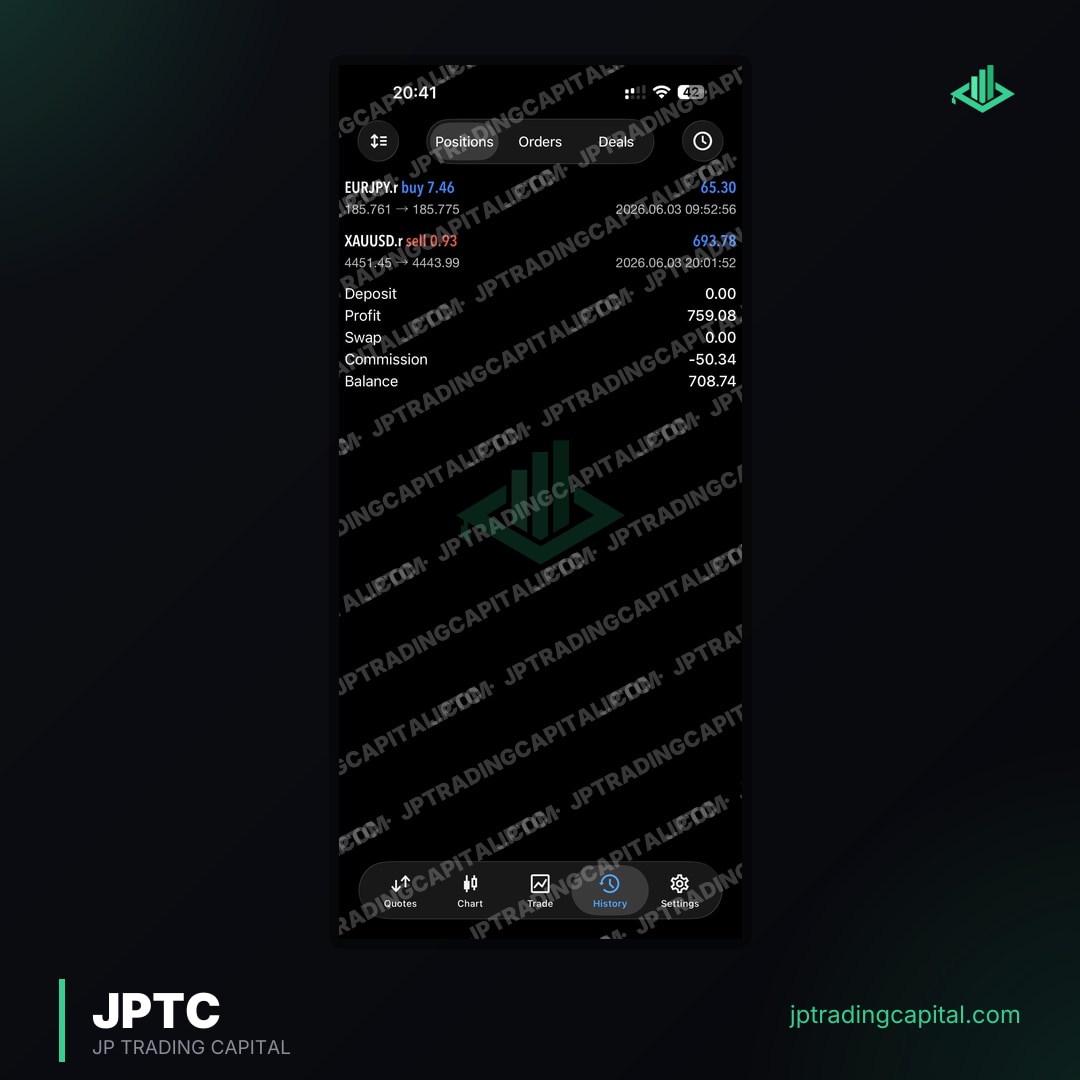
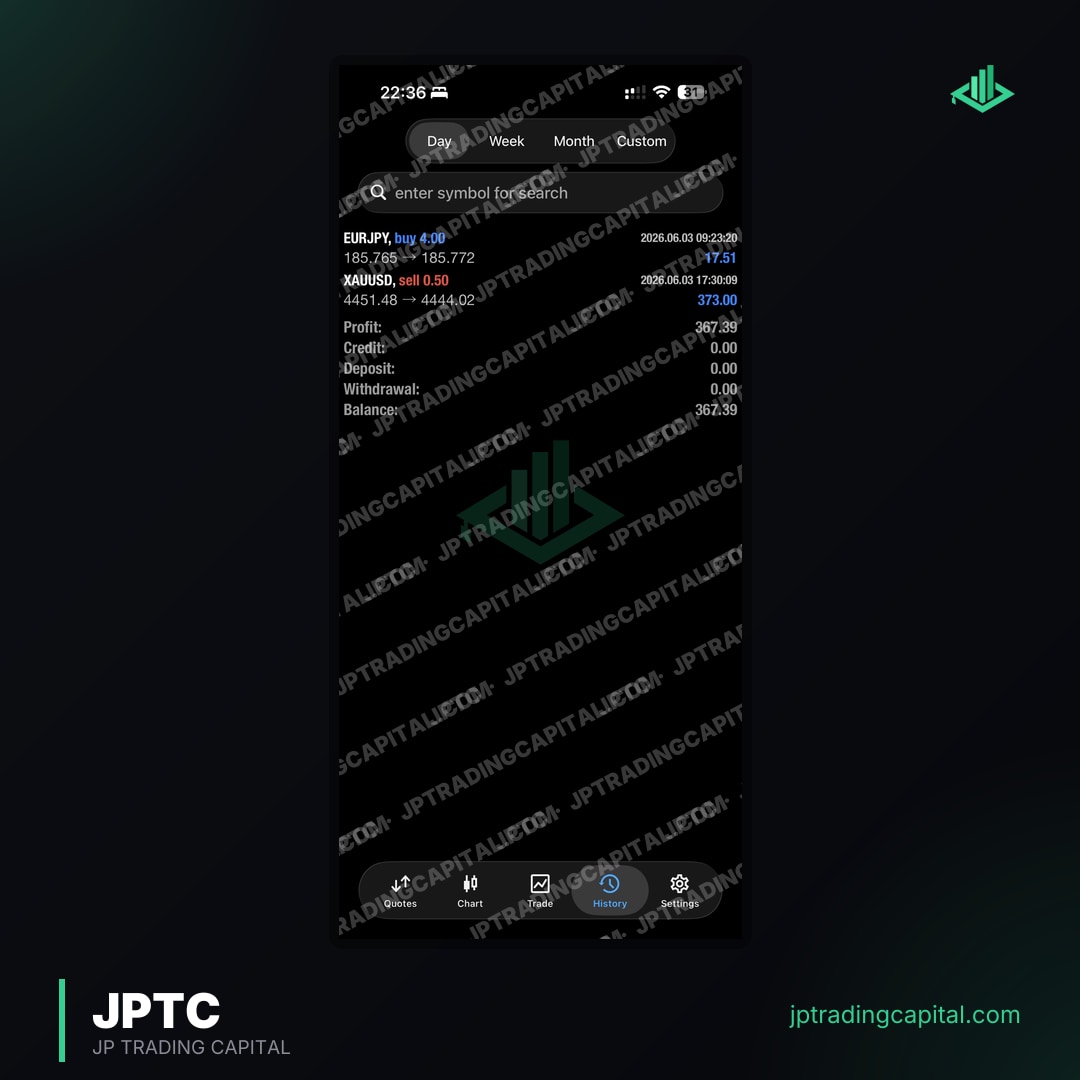
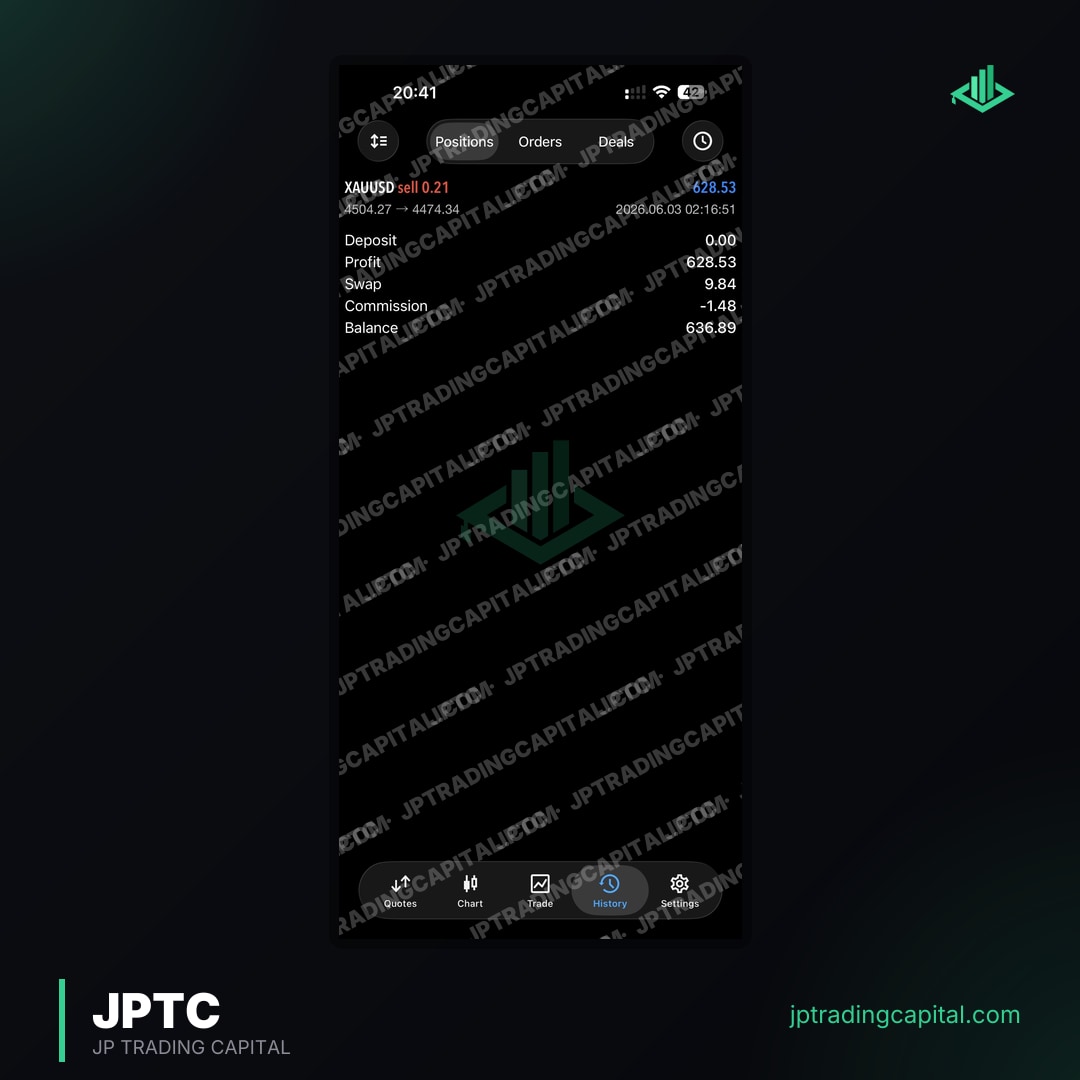
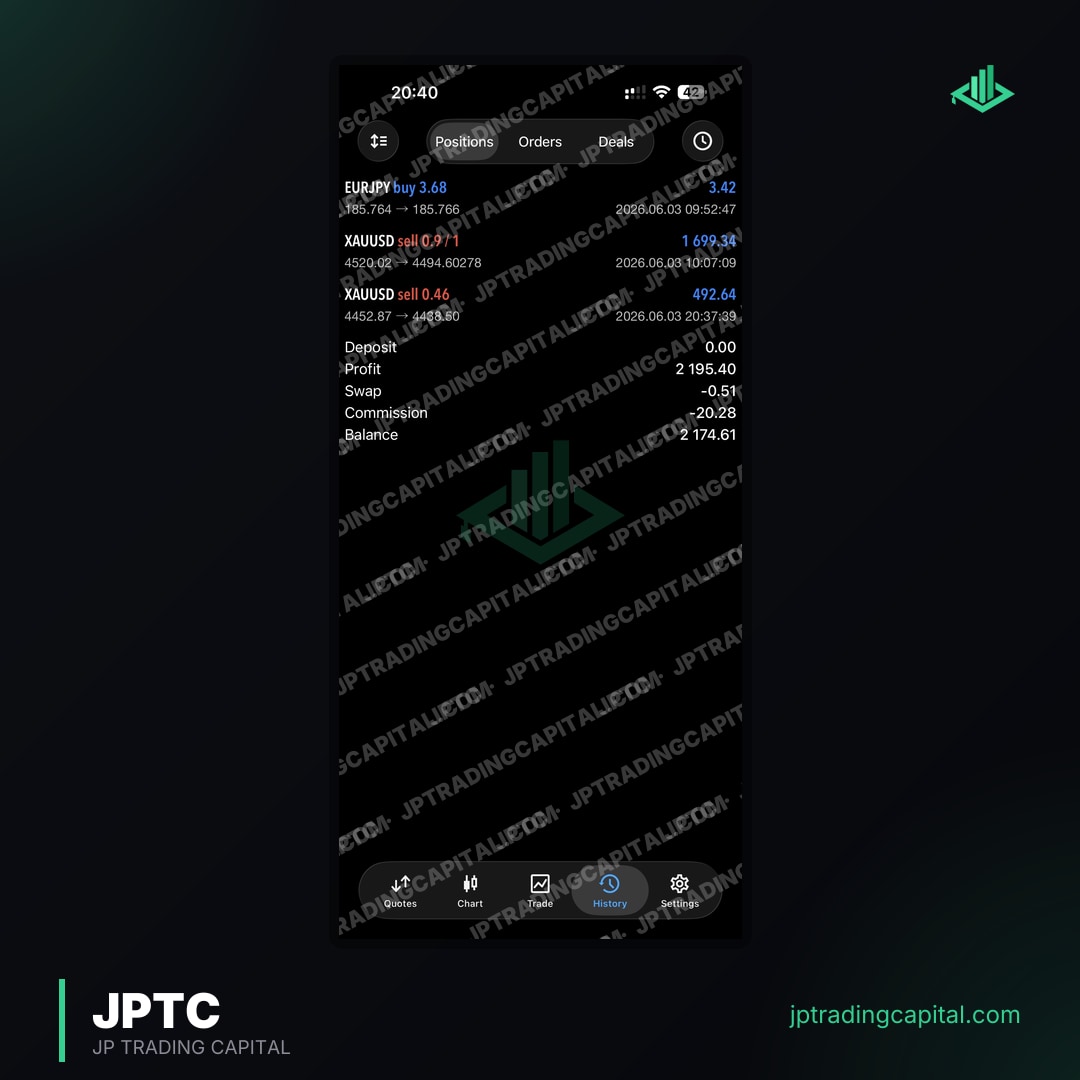
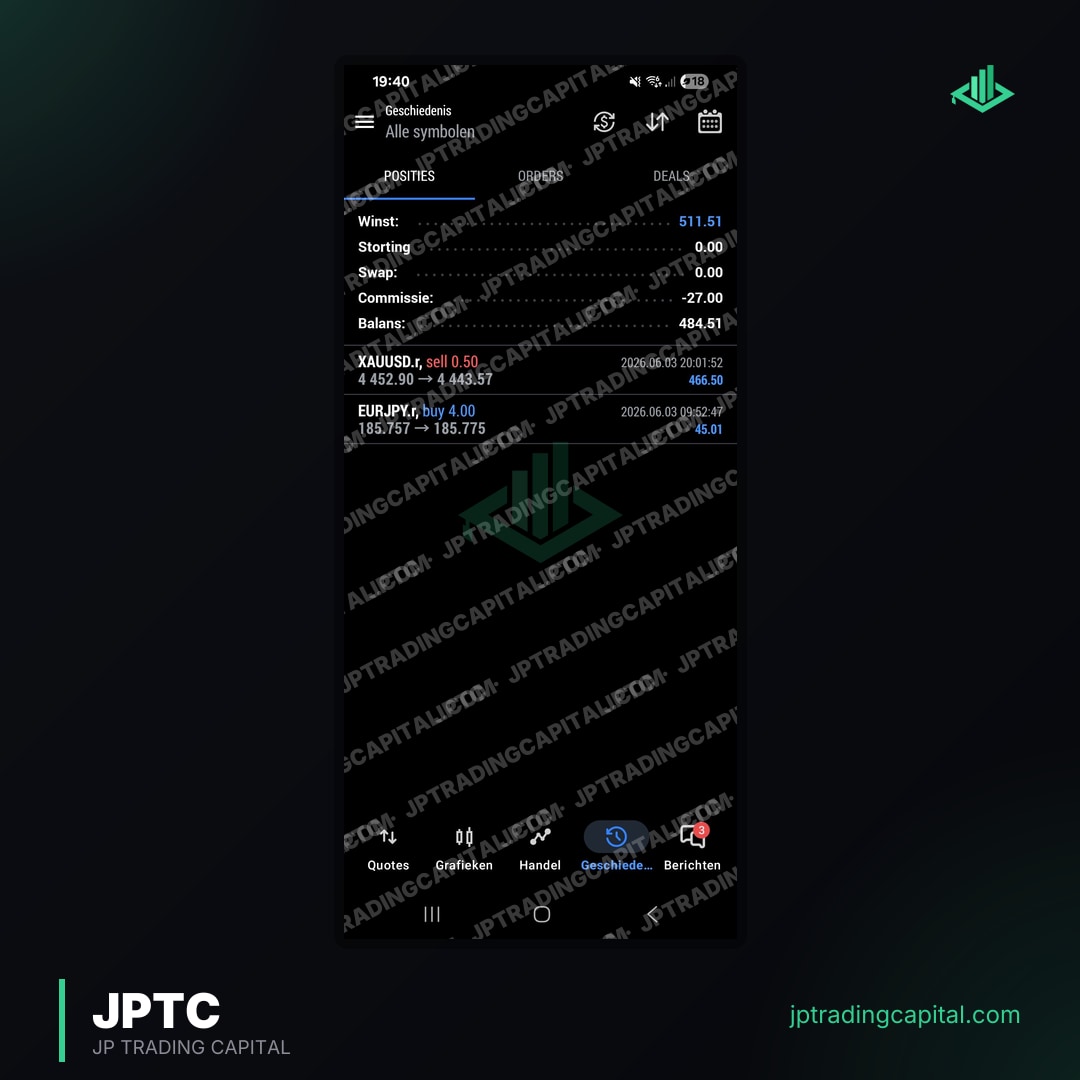
This guide produces an evidence-review record. Use the separate historical-testing guide to run the experiment, the results guide to interpret metrics and the operational guide to test deployment failures. A screenshot, attractive equity curve or vendor’s “verified” badge is insufficient for any of those conclusions.
Assemble a versioned evidence dossier
| Evidence group | What to record |
|---|---|
| Programme and strategy | Run ID; exact EA/source or executable version; file hash; inputs; dependencies; platform/tester build; account, programme and phase if a rule model is claimed. |
| Data and model | Source, download date, symbols/contracts, timezone, date boundaries, missing-data treatment, real/generated tick mode, spread, commissions, financing and execution assumptions. |
| Outputs | Original report, raw orders/deals, balance/equity observations, tester journal, warnings, deposits/withdrawals and a reconciliation sheet. |
| Selection and review | Training/validation boundaries, parameter trials and selection rule, reproduction instructions, reviewer, date, differences and limited conclusion. |
A hash helps identify the received file; it does not establish that its author, data or claims are truthful. Preserve originals separately from working copies. Redact personal identifiers and credentials rather than publishing account access as proof. Missing proprietary source code should be recorded as a review limitation, not replaced with an invented description of the logic.
MetaQuotes documents saved tester settings and input sets. Include custom symbol/account/commission settings, not just an EA input screenshot. The platform’s historical forward period and a subsequent real-time demo observation are different evidence and should have separate labels.
Trace prices and features to their availability time
Record whether ticks are broker-recorded or generated and whether any fallback occurred. MetaQuotes’ tick documentation describes generated ticks when real-tick history is missing. A mode name alone does not prove complete recorded tick coverage or realistic execution.
Fictional one-bar example: open 100, high 110, low 90, close 105. A long entered at 100 with a stop at 95 and target at 108 could reach the target first or the stop first, depending on the intrabar path. The same OHLC permits +8 or −5 per unit before costs in this simplified example. An OHLC report cannot establish that missing sequence.
Check when each indicator, news item or revised economic value became available. Keep gap flags and transformation logs; silently filling missing prices can invent tradable paths. “99% quality” is not a 99% chance of profit: the tester report documentation defines a price-history quality measure, with separate balance and equity drawdown fields.
Reconcile the report with orders and costs
Illustrative worksheet, with costs deliberately excluded from the gross amounts: $2,400 total winning P/L − $1,000 loss magnitude − $400 costs = $1,000 net. A claimed $2,000 net does not reconcile with those inputs. Gross profit factor is 2.4 in this example, not an approval threshold. In an actual export, establish where commission, swaps and other adjustments are already included before subtracting them again.
Reconcile trade versus deal counts, partial closes, open positions, currency conversion and any deposits/withdrawals. A closed-balance curve may miss an intratrade equity loss. If prop-rule compliance is claimed, reconstruct its exact version, reference, monitored value, update clock and breach condition. A tester’s maximum drawdown field does not automatically implement a provider’s daily or trailing rule.
Examine the selection history before accepting a reproduction
Keep the rejected trials as well as the selected run. Research on backtest overfitting explains why repeated selection on finite data can produce misleading winners. Repeatedly looking at a holdout and tuning against it makes it part of the selection process. No fixed number of years, trades or universal profit-factor cutoff establishes robustness.
Re-run the fixed candidate from the archived inputs. Compare orders, counts, costs and equity paths, not merely final profit. Explain differences in data/build/settings; do not choose a tolerance after seeing the discrepancy. A Monte Carlo exercise needs its assumptions, seed and dependency treatment recorded. It is a sensitivity experiment, not evidence that every future regime was covered.
Issue a bounded review conclusion
- Incomplete: name missing inputs and the claims that cannot be checked.
- Reproduced under stated assumptions: list the exact run and outputs matched, plus remaining data/execution/selection limitations.
- Contradictory or not reproduced: record the mismatch and investigation, without relabelling it as passed.
MQL5’s tester limitations include external WebRequest and notification functions not executing there. A historical run therefore cannot by itself prove delivery of a real news feed, alert or external service. Those paths need separately documented operational tests; no paid deployment is a mandatory verification step.
The JPTC EA Hub from JPTradingCapital supplies downloadable MT4/MT5 files; the separately hosted Algo is another offer. Request evidence for the actual file/version. Company broker statements, screenshots and public posts are not an independent audit, a customer pass-rate study or proof that every Hub file meets every programme’s rules.
Questions about backtest evidence
Is a screenshot enough to verify a backtest?
Does 99% history quality mean 99% reliability or future profit?
How many years automatically make a report valid?
Does reproducing the report prove future profitability?
Must I fund an account to complete verification?
Related checks
Automated forex and gold trading
Runs on your own account at your own broker. We host and set it up, so there is nothing to install and no VPS. No profit share, no monthly fee.
See how it works