Best Prop Firm for Stock Trading 2026: Top Firms & Key Factors
Material update: Site-wide prohibited-phrase cleanup applied on 2026-08-23; editorial review status was not changed.

The best prop firm for stock trading in 2026 is one that aligns with a trader's specific equity trading style, offering sufficient capital, favorable profit splits, clear risk management rules, and robust trading platforms capable of handling diverse stock instruments. While no single firm is universally 'best', leading options often provide access to a wide range of stocks, from penny stocks to large-cap equities, alongside competitive evaluation processes.
- Identify firms with clear policies on stock instrument availability and leverage.
- Prioritize transparent evaluation rules, including daily drawdown and maximum loss limits.
- Seek out firms offering high profit splits and efficient payout structures.
- Evaluate platform compatibility, especially for automated trading on MT4/MT5.
- Consider firms known for supporting equity-focused strategies and diverse market access.
Navigating the Best Prop Firm for Stock Trading in 2026
Navigating the landscape of proprietary trading firms to find the ideal partner for stock trading requires a deep understanding of what each firm offers and how it aligns with individual trading goals. Unlike forex or futures, stock trading within a prop firm context can have unique considerations, from the breadth of available instruments to the specific technological infrastructure provided. As the market evolves, firms are increasingly catering to equity traders, but discerning the truly supportive environments from the merely adequate is key to success.
Proprietary trading firms offer a compelling pathway for skilled traders to access significant capital without risking their own funds beyond an initial evaluation fee. For stock traders, this means the potential to trade larger positions, diversify across numerous equities, and scale their impact on the market. The JPTradingCapital team consistently observes that firms providing clear rules and robust technological support empower traders to focus on strategy execution rather than capital limitations.
What Defines a Top Stock Trading Prop Firm?
A top stock trading prop firm is characterized by its capital allocation, profit-sharing model, transparent evaluation rules, and the technological tools it provides to traders. These core elements dictate a trader's potential for success and longevity within the firm's ecosystem. Our research indicates that firms excel when they create an environment where traders feel supported in their pursuit of consistent profitability.
Capital Allocation and Account Sizes
The amount of capital a prop firm allocates is a primary attraction for stock traders, enabling them to execute strategies that might be impossible with smaller personal accounts. Firms typically offer a range of account sizes, from smaller starter accounts (e.g., $10,000) to substantial portfolios (e.g., $200,000 or more), with the potential to scale up based on performance. For stock traders, larger capital means the ability to trade more shares, diversify across a greater number of stocks, or target higher-priced equities, amplifying potential returns.
Profit Splits and Payout Structure
Profit splits represent the percentage of profits a trader retains, and these can vary significantly between prop firms, typically ranging from 70% to 90% in favor of the trader. A generous profit split is crucial for long-term motivation and financial growth, directly impacting a trader's take-home earnings. Furthermore, understanding the payout structure, how frequently and efficiently profits are distributed, is vital; some firms offer weekly or bi-weekly payouts, while others might have monthly cycles, which can be a key factor for traders managing personal finances.
Evaluation Process and Rules: Daily Drawdown, Max Loss, Consistency
Every reputable prop firm employs an evaluation process to assess a trader's skill and risk management capabilities before allocating live capital. For stock trading, these evaluations typically involve specific profit targets, daily drawdown limits, and maximum loss limits, all designed to ensure disciplined trading. For example, a firm might set a daily drawdown limit of 5% of the initial account balance and a maximum overall drawdown of 10%. Consistency rules, which prevent 'gambling' by requiring steady performance rather than a single lucky trade, are also increasingly common. JPTradingCapital's automated trading tools are specifically designed with these rules in mind, helping traders navigate challenges like FTMO's official rules page without violating crucial thresholds. You can explore how our tools assist in passing prop firm evaluations effectively.
Supported Trading Platforms and Tools
The trading platform is the trader's interface with the market, and its capabilities are paramount, especially for stock trading. While many prop firms began with a focus on forex and MT4/MT5, an increasing number now support these platforms for stock CFDs or offer proprietary platforms tailored for equity trading, such as NinjaTrader for futures on equities or specialized direct-access trading platforms. The availability of advanced charting tools, reliable data feeds, and order execution speed are critical. For traders utilizing automated strategies, compatibility with platforms like MetaTrader 4 (MT4) or MetaTrader 5 (MT5) is essential, as these platforms support Expert Advisors (EAs). The JPTradingCapital EA Hub, for instance, is pre-configured for MT4/MT5, making it a valuable asset for traders aiming for consistency across various prop firms like FTMO, FundedNext, and FXify.
Available Instruments: Beyond Just \"Stocks\"
When searching for the best prop firm for stock trading, it's crucial to look beyond a general "stocks available" claim and inquire about the specific types of equity instruments offered. Some firms might specialize in large-cap US equities, while others may provide access to penny stocks, ETFs, or even options and futures contracts on equity indices. For instance, a firm like Trade The Pool explicitly highlights its access to thousands of stocks, including penny stocks. Understanding the breadth and depth of instruments ensures that the firm supports your preferred trading style, whether it's high-volume day trading of small caps or strategic investing in blue-chip stocks. This specificity is often overlooked but can significantly impact a trader's ability to implement their chosen strategy effectively.
Top Contenders for Stock Trading Prop Firms
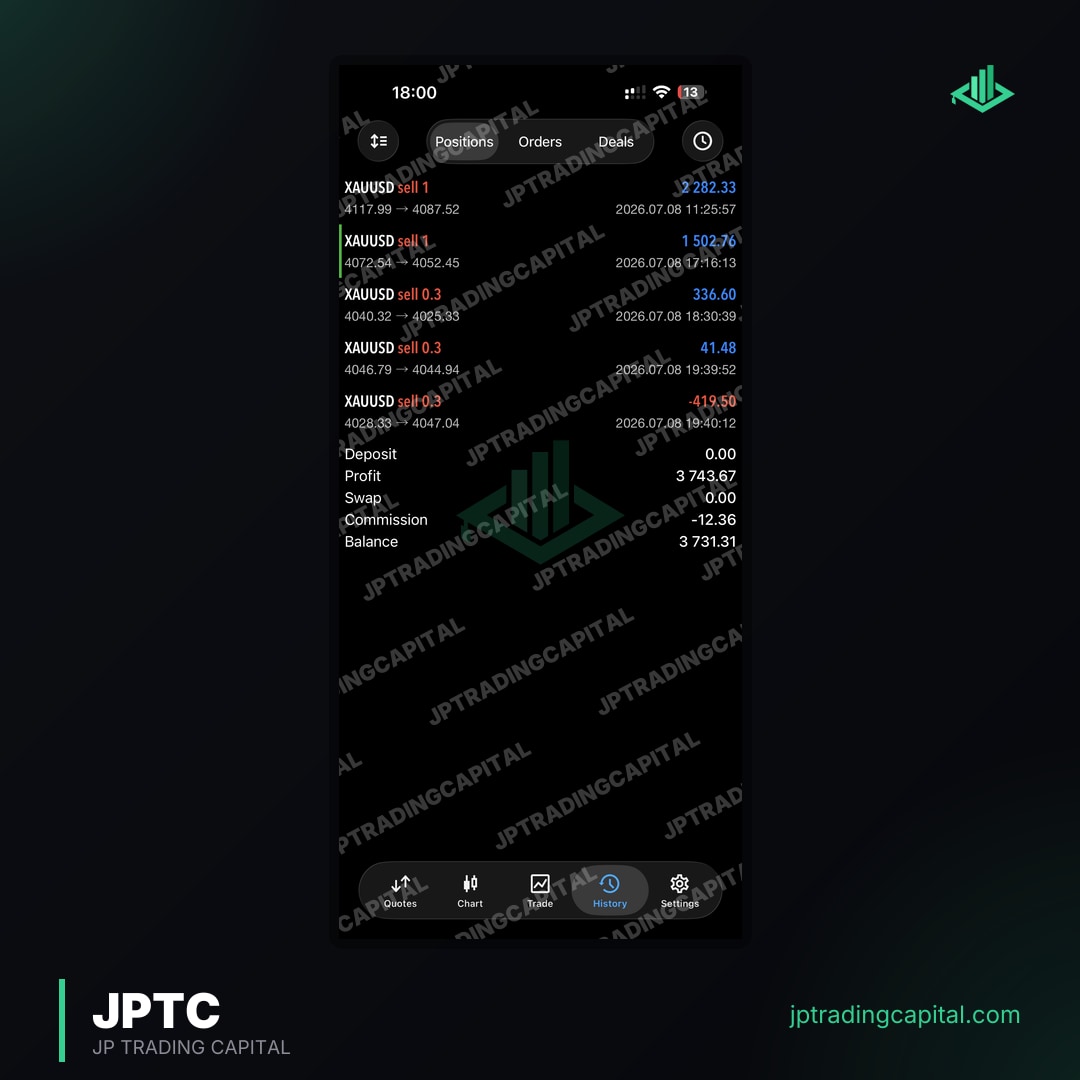

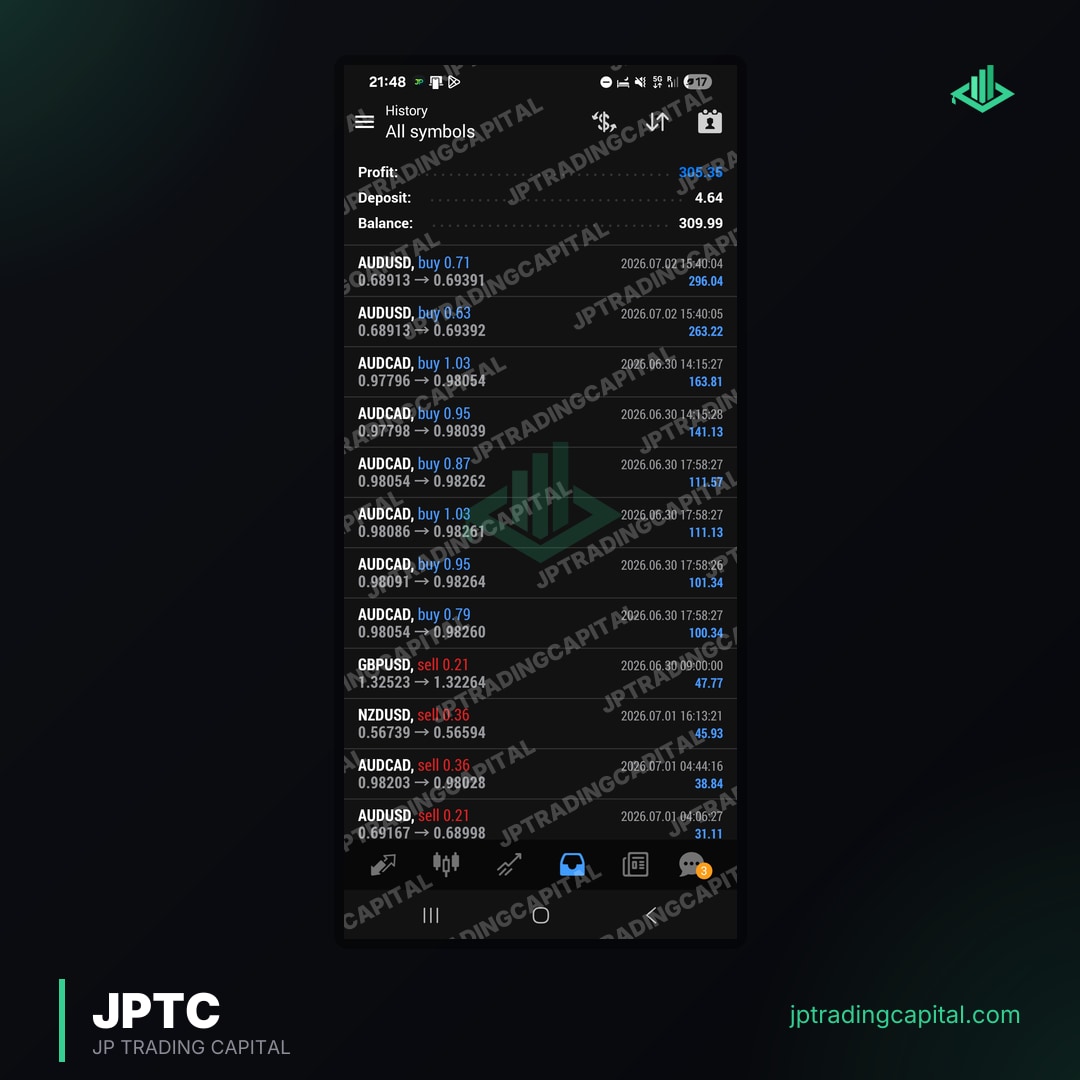



While specific recommendations require individual assessment, several prop firms stand out for their offerings relevant to stock traders, either directly through equity CFDs or indirectly through related instruments like futures on equities. Firms such as TopStep are renowned for futures trading, which often includes equity index futures, appealing to those who trade broader market movements. Other firms, like FundedNext and FXify, predominantly focus on forex but increasingly offer stock CFDs via MT5, providing a gateway for traders to diversify. When evaluating these firms, comparing their specific rules for stock trading, available leverage, and the variety of instruments (e.g., NASDAQ, S&P 500, individual company shares) is paramount. Our team advises traders to consult comparison platforms like Prop Firm Match to get a comprehensive overview of current offerings and reviews before making a choice.
The Critical Role of Technology and Automation in Prop Stock Trading
Technology and automation play a pivotal role in achieving consistent profitability and adhering to strict risk parameters within prop firm stock trading. Automated trading systems, or Expert Advisors (EAs), can execute trades based on predefined strategies, removing emotional bias and ensuring precise adherence to prop firm rules regarding daily drawdown, maximum loss, and consistency. For example, an EA can automatically calculate position sizes to stay within risk limits or cease trading once a daily loss threshold is hit, a critical feature for preserving capital and passing evaluations.
The JPTradingCapital EA Hub offers automated EAs pre-configured with backtested strategies specifically designed to respect prop-firm rules. These tools work on both MT4 and MT5, making them compatible with a wide range of prop firms that allow EAs, including FTMO, FundedNext, FXify, TopStep, The5ers, and E8 Funding. Leveraging such technology can significantly increase a trader's chances of navigating the evaluation phases successfully and maintaining profitable trading in funded accounts. For an example of what a 2-year live algo track record looks like, see JPTradingCapital's published results.
Traders interested in exploring the power of automated strategies can learn more about our Expert Advisor solutions and how they integrate seamlessly into the prop firm trading environment.
Risk Management Strategies for Stock Traders in Prop Firms
Effective risk management is the bedrock of success for stock traders operating under prop firm rules, which often impose stringent daily and maximum drawdown limits. For stock trading, managing risk involves understanding the inherent volatility of equities, especially during earnings seasons or major news events. Strategies must incorporate appropriate position sizing, stop-loss orders, and diversification across different sectors or instruments to mitigate concentrated risk.
Prop firms typically enforce a 'max daily loss' and 'max overall loss' rule. For instance, if a prop firm account has a $100,000 balance, a 5% daily drawdown limit means a trader cannot lose more than $5,000 in a single trading day. An automated system can be invaluable here, as it can be programmed to automatically stop trading once these limits are approached, preventing account breaches. Consistency rules also demand a steady performance curve rather than erratic gains followed by deep drawdowns. The JPTradingCapital team emphasizes that robust risk management isn't just about avoiding losses; it's about preserving capital to trade another day, which is fundamental to long-term profitability within a prop firm structure.
Beyond the Evaluation: Scaling and Career Growth
For many stock traders, passing the initial evaluation is just the first step; the true long-term benefit of partnering with a prop firm lies in the potential for scaling capital and career growth. Successful traders can often progressively increase their allocated capital, moving from a $50,000 account to a $200,000 account, and even higher, based on consistent performance and adherence to risk parameters. This scaling allows traders to significantly increase their profit potential without having to personally fund larger accounts.
Beyond capital, prop firms can offer a pathway to a professional trading career. Consistent profitability and a verifiable track record can open doors to becoming a portfolio manager, leading a team of traders, or even transitioning to institutional trading roles. The experience gained under the structured environment of a prop firm, combined with a strong performance history, serves as a powerful resume for any aspiring financial professional. Our internal data suggests that traders who consistently demonstrate strong risk management and profitability are the most likely to achieve significant scaling opportunities.
Choosing Your Best Prop Firm for Stock Trading: A Step-by-Step Approach
Selecting the ideal prop firm for stock trading requires a methodical approach to ensure alignment with your trading style and career aspirations. Our team recommends the following steps:
-
Define Your Trading Style: Are you a day trader, swing trader, or focused on specific sectors? Do you trade penny stocks, large caps, or equity derivatives? Your style will dictate the required platform, instruments, and leverage.
-
Research Firm Offerings: Investigate firms that explicitly support stock trading. Look into their specific instrument lists (e.g., individual stocks, ETFs, stock CFDs, futures on equity indices), available platforms, and capital allocation models. Compare profit splits and payout frequencies.
-
Scrutinize Evaluation Rules: Carefully read the terms and conditions for daily drawdown, maximum loss, profit targets, and consistency rules. Ensure these are realistic for your strategy. Our resources on prop firm results can offer insights into what to expect.
-
Assess Technological Support: If you use Expert Advisors or specific trading software, confirm platform compatibility (e.g., MT4/MT5 support) and data feed quality. Tools like the JPTC EA Hub can be a game-changer for automated strategy execution.
-
Read Reviews and Community Feedback: Consult independent review sites and trader forums (like Reddit's r/Daytrading, as mentioned by competitors) to gain insights into other traders' experiences with specific firms, paying attention to payout reliability and customer support.
-
Consider a Trial or Smaller Account: Many firms offer practice accounts or smaller evaluation accounts. This can be a low-risk way to test the platform, rules, and your strategy before committing to a larger challenge. For those interested in partnership opportunities, our affiliate program provides another avenue for engagement.
FAQ
What's the difference between a prop firm for stocks vs. forex?
Can I use an Expert Advisor (EA) for stock trading with a prop firm?
What are common risk management rules for stock trading in prop firms?
Do prop firms offer access to penny stocks?
How important is the trading platform for stock trading with a prop firm?
Related Articles
- Best Future Prop Firm: Complete 2026 Comparison for Traders & EA Developers · Read more →
- Best Futures Trading Indicators for ES, NQ & Micro Contracts · Read more →
- Best Futures Trading Prop Firms 2026: 5 Top Choices for Traders · Read more →
- Prop Firm Trading Minimum Account Size: What's the Cheapest Way to Get Funded in 2026? · Read more →
- FundedNext: Complete Guide to Prop Trading Challenges, Rules & Passing Strategies · Read more →
- Best FundedNext Discount Codes 2026: Up to 47% Off · Read more →
- Best FundedNext Forex Strategy: 3 Angles Competitors Miss [2026] · Read more →
- FundedNext practice account 2026: Exact Rules & Benefits for Traders · Read more →
The EA built for prop firm rules
Daily drawdown guard, hard max-loss stop, consistency-aware pacing and a news pause, on MT4 and MT5. One-time €797, no monthly fee. If you would rather not run the evaluation yourself, we run it for you.
See the EA Hub