Best Prop Firm for Stocks 2026: 7 Key Criteria Analyzed
Material update: Site-wide prohibited-phrase cleanup applied on 2026-08-23; editorial review status was not changed.

The best prop firm for stocks in 2026 is one that aligns with a trader's specific strategy, offering access to desired instruments, compatible trading platforms, and clear rules for equity markets. While many prop firms primarily focus on forex, a select few cater to stock traders through direct access or Contract for Difference (CFD) offerings, requiring careful scrutiny of their specific terms.
- Evaluate firms based on direct stock access vs. stock CFDs and available exchanges.
- Prioritize platform compatibility, especially for automated strategies on MT4/MT5.
- Scrutinize evaluation rules for stock-specific considerations like market hours and PDT.
- Assess funding models, profit splits, and scaling opportunities tailored for equities.
- Consider firms that support automated trading tools and consistent strategy execution.
What Defines the Best Prop Firm for Stocks?
Identifying the best prop firm for stocks involves a detailed assessment of several critical factors that directly impact a trader's ability to succeed in the equity markets.
Tradable Instruments: Direct Stocks vs. CFDs
A fundamental distinction lies in whether a prop firm offers direct access to underlying stocks or provides trading through Contract for Differences (CFDs). Direct stock trading typically involves ownership or direct exposure to shares listed on exchanges like NYSE or NASDAQ, often with specific market hours and regulatory considerations like Pattern Day Trader (PDT) rules in the US. In contrast, stock CFDs are derivatives that allow speculation on stock price movements without owning the underlying asset, often offering higher leverage and 24/5 trading (for some) but without direct market access. For instance, FundedNext, as seen in competitive analysis, often features multi-asset offerings that include stock CFDs alongside forex and crypto, catering to a broad range of traders but not necessarily direct equity traders.
Platform Compatibility and Trading Tools
The choice of trading platform is paramount, especially for traders who rely on technical analysis or automated strategies. While MetaTrader 4 (MT4) and MetaTrader 5 (MT5) are ubiquitous in the forex and CFD space, direct stock trading often utilizes proprietary platforms or specialized tools like NinjaTrader for futures, or institutional platforms like Interactive Brokers' Trader Workstation (TWS). For traders using Expert Advisors (EAs), ensuring the prop firm supports MT4 or MT5 is crucial. Our JPTC EA Hub, for example, is designed specifically for MT4/MT5, pre-configured with strategies that respect typical prop-firm rules, making platform compatibility a key consideration for our users.
Evaluation Rules and Drawdown Limits for Stocks
Prop firm evaluation rules, including profit targets, daily drawdown limits, and maximum loss limits, are often designed with forex trading in mind. When seeking the best prop firm for stocks, it's vital to confirm how these rules apply to equity trading. Stock market volatility, specific session times, and position sizing can interact differently with these rules compared to forex. For example, a sudden gap open in a stock might trigger a daily drawdown limit more quickly than a steady forex trend. Clarity on how a firm calculates drawdowns for stock positions, especially during non-market hours or over weekends, is essential.
Funding Models and Scaling Opportunities
Prop firms offer various funding models, from one-time challenge fees to recurring subscriptions. For stock traders, understanding the initial capital offered and the potential for scaling up is critical. Some firms might start with smaller capital for stocks, requiring consistent profitability to unlock larger allocations. Evaluate the scaling plan for its realism and how it integrates with stock market dynamics. Does it allow for increased position sizes in line with market opportunities, or is it too restrictive for equity trading?
Profit Splits and Payout Frequency
The profit split is a major incentive for joining a prop firm, typically ranging from 70% to 90% in favor of the trader. For stock traders, it's important to understand if there are any specific conditions or delays for stock-related payouts. Some firms might have different settlement periods for equities compared to forex. Payout frequency (weekly, bi-weekly, or monthly) also impacts cash flow and should be considered when selecting the best prop firm for stocks that aligns with your financial planning.
Navigating Stock Trading Rules in Prop Firms
Trading stocks within a prop firm environment introduces a unique set of challenges and rules that differ significantly from typical forex trading. Understanding these nuances is crucial for success.
Day Trading Rules and Pattern Day Trader (PDT) Status
For traders in the United States, the Pattern Day Trader (PDT) rule, enforced by FINRA, restricts traders with less than $25,000 in their brokerage account from executing more than three day trades in a rolling five-business-day period. While prop firms often operate outside direct retail brokerage accounts, their underlying brokers may still be subject to similar regulations or internal policies mirroring PDT rules. It is imperative to clarify whether the prop firm's stock trading setup allows for unrestricted day trading or if traders need to be mindful of such limitations, even if they are indirectly applied.
Market Hours and Liquidity Considerations
Unlike the 24/5 nature of forex, stock markets have defined trading hours, often with pre-market and after-hours sessions that can have lower liquidity and higher volatility. A prop firm's rules must accommodate these market dynamics. For example, holding positions overnight in highly volatile stocks might expose traders to significant gap risk that could quickly violate maximum drawdown limits. The best prop firm for stocks will provide clear guidelines on holding periods, overnight risk, and how drawdowns are calculated during market closures or low-liquidity periods.
Margin Requirements and Leverage for Stocks
Margin requirements for stock trading can vary widely based on the stock's volatility, price, and the firm's risk policies. While prop firms provide capital, understanding their internal leverage limits for specific stocks or sectors is vital. High leverage on volatile stocks can amplify both gains and losses. Our research shows that firms often impose stricter margin requirements for equities compared to forex, particularly for penny stocks or highly speculative assets, to manage their own risk exposure.
Risk Management Tools and Consistency Rules
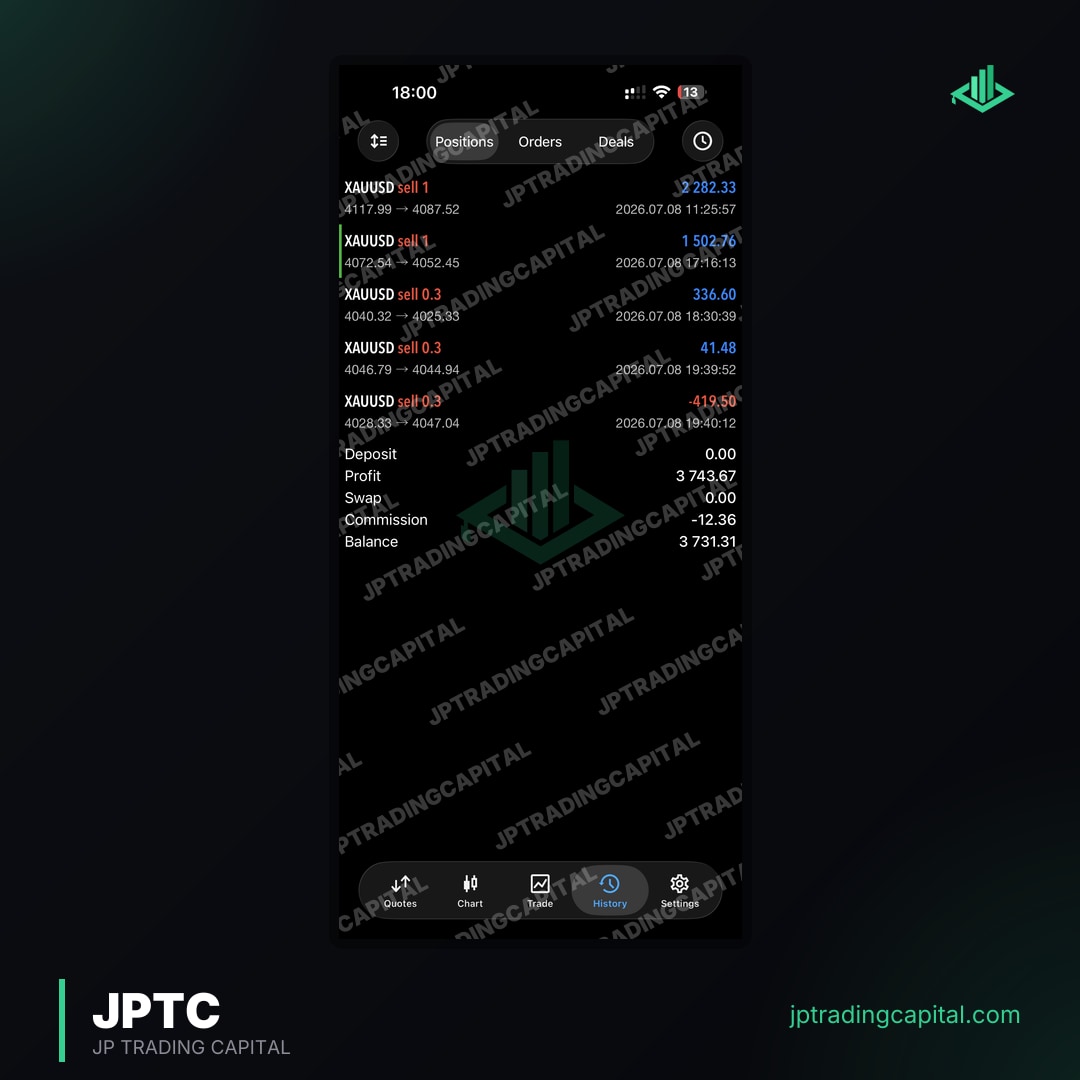
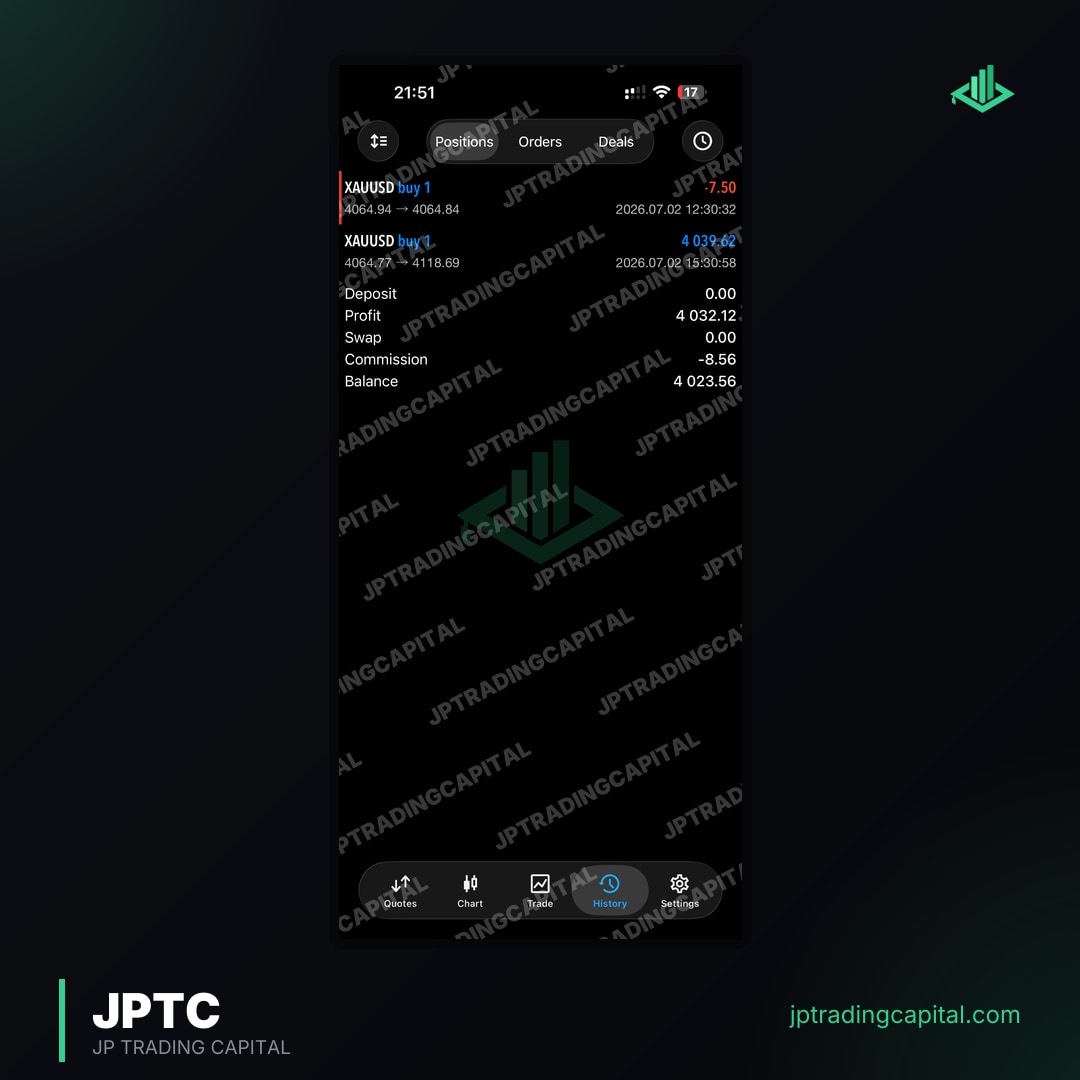
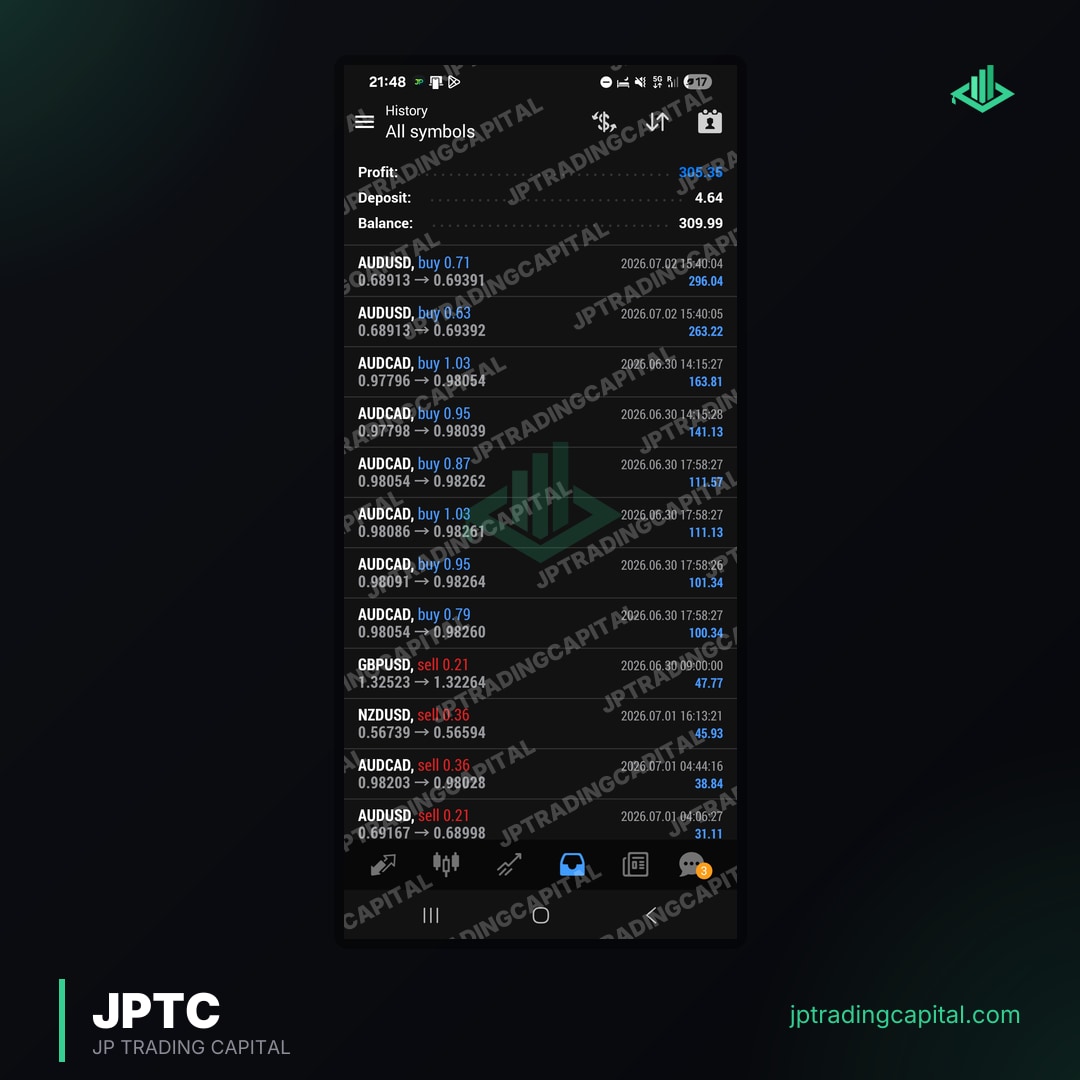
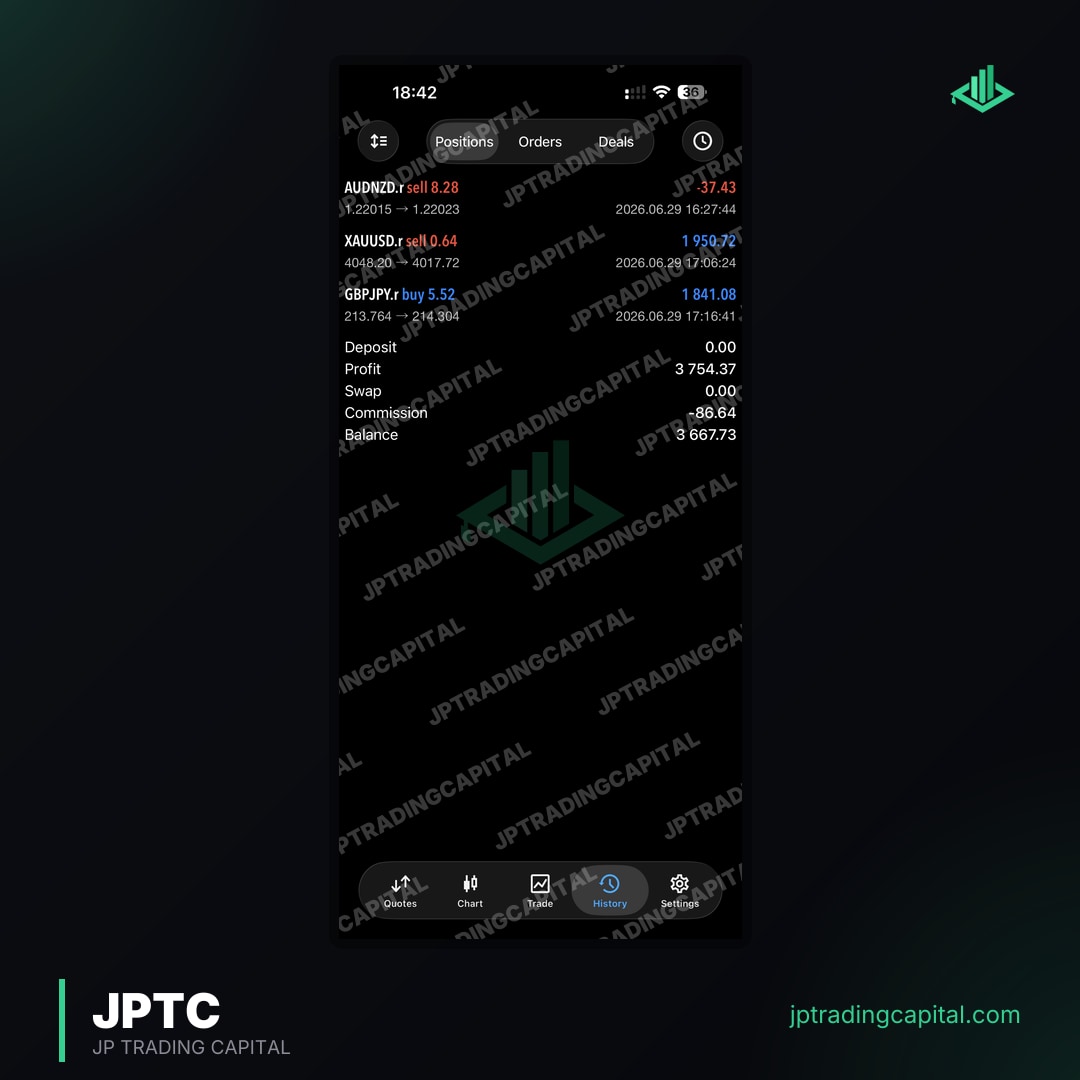
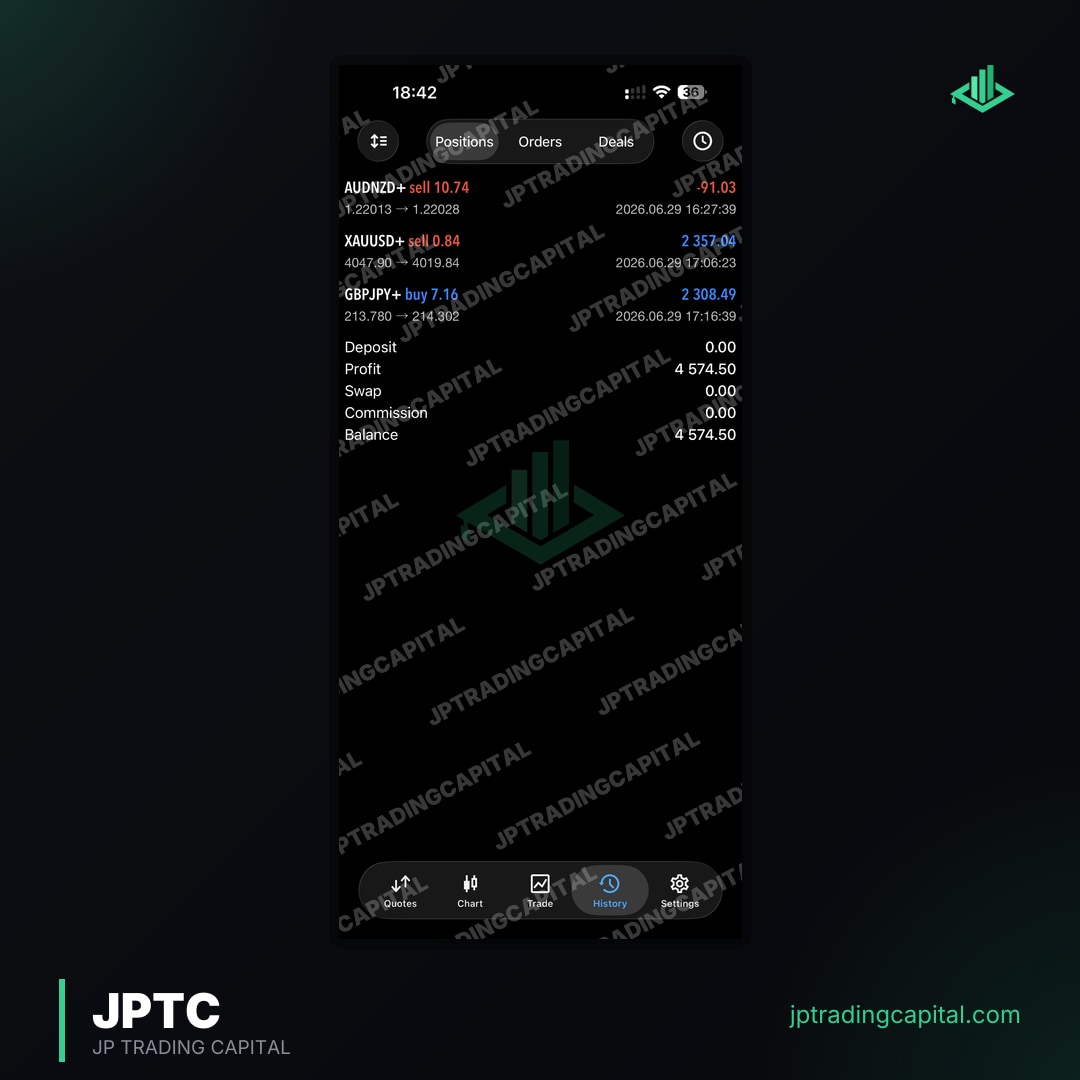
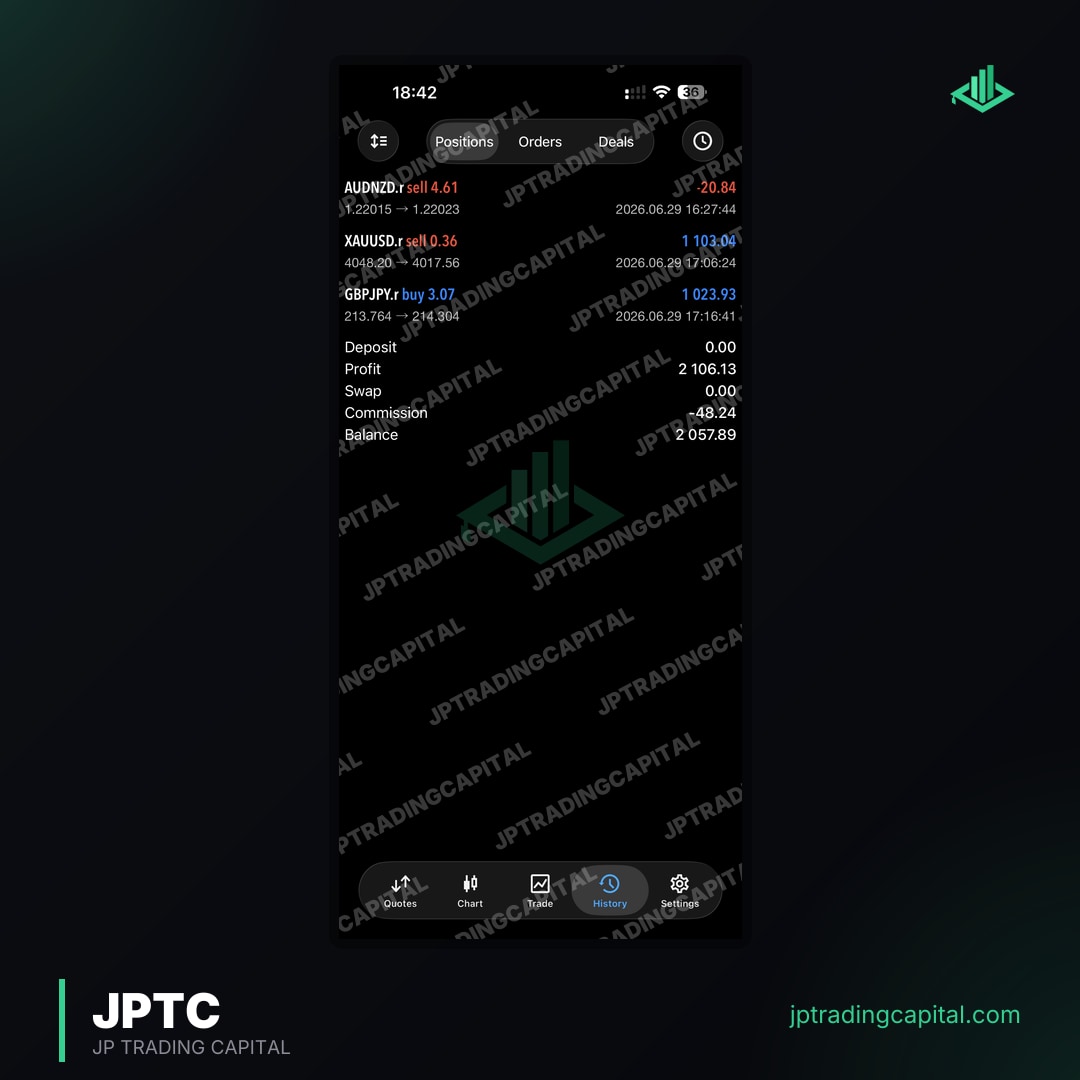
Prop firms emphasize consistent profitability and disciplined risk management. For stock traders, this means adhering to daily drawdown caps, maximum loss limits, and often consistency rules that prevent 'gambling' on single trades. Implementing robust risk management strategies, such as setting stop-losses and managing position sizes relative to account equity, becomes even more critical in the often-volatile stock market. The JPTradingCapital team designs its automated strategies to respect these rules inherently, helping traders maintain consistency and pass evaluations. For an example of what a 2-year live algo track record looks like, see JPTradingCapital's published results.
Top Prop Firms for Stock Traders: A Closer Look
While many prop firms have a forex-centric focus, several options cater to stock traders, either through specialized offerings or robust CFD instruments. When evaluating the best prop firm for stocks, it's crucial to look beyond general marketing and delve into the specifics of their equity trading environment.
Firms Specializing in Stocks
Some firms explicitly brand themselves around stock trading. For example, Trade The Pool (TTP) is prominently featured in competitive snippets, highlighting its focus on a vast selection of stocks and ETFs, including penny stocks. Such firms often provide platforms and resources specifically tailored for equity analysis and execution. They might offer direct market access or highly integrated CFD platforms that mimic direct trading experiences. When considering such firms, verify the breadth of their stock universe, the exchanges they cover, and any specific restrictions on certain types of stocks (e.g., those with low liquidity or high volatility).
Firms with Robust CFD Offerings
Many multi-asset prop firms, like those that offer forex and crypto, also include a comprehensive selection of stock CFDs. These can be an excellent option for traders who prefer the flexibility of CFD trading, including higher leverage and potentially longer trading hours for certain instruments. Firms like FundedNext, as noted in the competitive brief, offer individual stock CFDs, allowing traders to speculate on price movements of popular companies. The advantage here is often platform familiarity (MT4/MT5) and unified account management across different asset classes. The drawback is the lack of direct ownership and potential differences in execution compared to actual stock exchanges.
Considering Brokerage and Execution Quality
The underlying brokerage infrastructure of a prop firm significantly impacts execution quality, spreads, commissions, and available liquidity for stock trades. For direct stock trading, a firm's partnership with reputable brokers offering deep liquidity and competitive pricing is crucial. For stock CFDs, the firm's liquidity providers determine spreads and potential slippage. Always inquire about the execution model (STP, ECN, market maker) and any associated fees or commissions that might erode profits, especially for high-frequency stock trading strategies. Transparent pricing and reliable execution are hallmarks of a truly excellent prop firm for stocks.
Leveraging Automated Strategies for Stock Prop Firm Challenges
Automated trading strategies, particularly Expert Advisors (EAs), offer a significant advantage for traders aiming to pass stock prop firm evaluations and manage live funded accounts, especially when navigating complex rules.
EAs can execute trades based on predefined parameters, ensuring strict adherence to risk management rules like daily drawdown limits and maximum loss thresholds, which are critical in prop firm challenges. For stock traders, EAs can be programmed to respect market hours, avoid trading during low-liquidity periods, and manage positions around news events that might impact equity prices. This automation helps maintain the consistency that prop firms look for, preventing emotional trading decisions that often lead to rule violations.
The JPTradingCapital team specializes in building such tools. Our JPTC EA Hub provides automated EAs pre-configured with backtested strategies that inherently respect prop-firm rules across various platforms like MT4 and MT5, compatible with firms such as FTMO, FundedNext, and FXify. These EAs can be adapted for stock CFD trading, helping traders manage their exposure and meet profit targets while staying within drawdown limits. For insights into developing such strategies, the MQL5 community offers extensive resources.
By automating your strategy, you can focus on refining your approach rather than manually monitoring every trade for compliance. This is especially beneficial for those looking to pass prop firm evaluations efficiently, as the EA ensures consistent execution of a proven trading plan. Our verified track record demonstrates the potential of disciplined, automated trading in meeting prop firm objectives.
Key Considerations Before Choosing Your Prop Firm for Stocks
Before committing to a prop firm for stock trading, it is essential to conduct thorough due diligence and align your choice with your personal trading style and objectives.
First, always read the fine print of the firm's terms and conditions. Pay close attention to sections detailing eligible assets, specific rules for stock trading (e.g., restrictions on certain sectors or market caps), and any differing conditions for overnight holds or weekend gaps. Secondly, assess the customer support and community resources available. A responsive support team can be invaluable when navigating platform issues or rule clarifications specific to stock trading. Lastly, consider the firm's reputation and longevity. While newer firms may offer attractive deals, established firms often provide more stability and a proven track record of payouts. Look for transparent reporting and positive trader feedback, especially concerning withdrawals and rule enforcement.
What is the main difference between direct stock trading and stock CFDs in prop firms?
Do all prop firms offer stock trading?
How do Pattern Day Trader (PDT) rules affect stock trading in prop firms?
Can I use Expert Advisors (EAs) for stock trading in prop firm challenges?
What should I look for in a prop firm's scaling plan for stock trading?
Related Articles
- Best Future Prop Firm: Complete 2026 Comparison for Traders & EA Developers · Read more →
- Best Futures Trading Indicators for ES, NQ & Micro Contracts · Read more →
- Best Futures Trading Prop Firms 2026: 5 Top Choices for Traders · Read more →
- Prop Firm Trading Minimum Account Size: What's the Cheapest Way to Get Funded in 2026? · Read more →
- FundedNext: Complete Guide to Prop Trading Challenges, Rules & Passing Strategies · Read more →
- Best FundedNext Discount Codes 2026: Up to 47% Off · Read more →
- Best FundedNext Forex Strategy: 3 Angles Competitors Miss [2026] · Read more →
- FundedNext practice account 2026: Exact Rules & Benefits for Traders · Read more →
The EA built for prop firm rules
Daily drawdown guard, hard max-loss stop, consistency-aware pacing and a news pause, on MT4 and MT5. One-time €797, no monthly fee. If you would rather not run the evaluation yourself, we run it for you.
See the EA Hub