Best Prop Firms for Swing Traders: 2026 Guide to Success
Material update: Site-wide prohibited-phrase cleanup applied on 2026-08-23; editorial review status was not changed.

The best prop firm for swing traders in 2026 will offer flexible policies regarding weekend holding, overnight positions, and news trading, coupled with manageable drawdown and consistency rules that accommodate longer trade durations. Firms like Lux Trading Firm and Maven Trading are often cited for their swing-trader-friendly conditions, including features like swap-free accounts and generous funding options.
- Identify prop firms permitting weekend and overnight trade holding.
- Prioritize firms with favorable drawdown and consistency rules for swing strategies.
- Consider firms offering swap-free accounts to reduce holding costs.
- Evaluate platforms and brokerage conditions crucial for swing trading.
- Explore how automated EAs can assist swing traders in meeting prop firm rules.
What Defines a Swing Trading-Friendly Prop Firm?
A swing trading-friendly prop firm distinguishes itself by offering operational flexibility that aligns with the nature of holding trades over several days or weeks.
Unlike day traders who close all positions by market close, swing traders aim to capture price movements over a medium-term horizon. This strategy inherently requires firms to allow positions to be held through market closures, including weekends and overnight. The JPTradingCapital team consistently advises traders to meticulously review a prop firm's general rules regarding these aspects before committing to an evaluation.
Weekend Holding Policies
One of the most critical features for a swing trader is the ability to hold positions over the weekend. Many prop firms, designed with day trading in mind, prohibit or heavily restrict holding trades through the weekend due to increased market gap risk. For a swing trader, such restrictions can severely limit strategy execution and profitability. Firms that explicitly state they permit weekend holding, like Maven Trading as noted by our competitors, are often preferred.
Overnight Positions
Similarly, the allowance of overnight positions is non-negotiable for swing traders. A firm that forces position closure at the end of each trading day is unsuitable. This policy is usually less restrictive than weekend holding, but it's essential to confirm that there are no hidden clauses or time limits on how long a single trade can remain open.
News Trading Policies
Swing traders often hold positions through significant news events, which can cause volatility. Some prop firms impose restrictions on trading during high-impact news releases or require positions to be closed. While this is primarily a risk management measure for the firm, it can conflict with a swing trading approach that aims to capitalize on post-news market direction. Understanding a firm's stance on news trading is vital to avoid unexpected rule violations.
Swap Fees and Swap-Free Accounts
Holding positions overnight or over weekends incurs swap fees, which are interest charges or credits for holding positions. For swing traders, these fees can accumulate significantly over time, impacting overall profitability. Prop firms offering swap-free accounts, or those with competitive swap rates, provide a considerable advantage. Maven Trading, for instance, is recognized for offering swap-free accounts, which can be a game-changer for long-term position holders.
Key Factors When Choosing the Best Prop Firm for Swing Traders
Selecting the ideal prop firm for swing trading requires a careful evaluation of several operational factors that directly impact a trader's ability to execute their strategy effectively and profitably.
Our analysis indicates that beyond basic permissions, the devil is often in the details of the rules. These factors dictate not just whether you can swing trade, but whether you can do so successfully and profitably within the firm's framework.
Drawdown Rules (Daily vs. Max, Relative vs. Absolute)
Drawdown rules are perhaps the most challenging aspect for swing traders. Daily drawdown limits can be particularly problematic, as a single volatile move against a longer-term swing position could prematurely end an evaluation or funded account. Max drawdown rules, whether relative (trailing) or absolute, also need careful consideration. A relative drawdown that trails your highest equity point can be difficult to manage with the inherent fluctuations of swing trading. Absolute drawdown, fixed from the initial balance, often provides more breathing room for larger, longer-term moves.
Profit Targets & Consistency Rules
Prop firms typically set profit targets that must be met within an evaluation period. For swing traders, who may take fewer, higher-conviction trades, these targets need to be realistic given their trading frequency. Consistency rules, which often require a minimum number of trading days or a limit on how much profit can come from a single trade, can also pose a challenge. JPTradingCapital's strategies for passing prop firm challenges emphasize understanding how these rules apply to different trading styles.
Leverage and Tradable Instruments
Adequate leverage is crucial for swing traders to manage risk and position sizing effectively, especially with larger capital requirements. Furthermore, the range of tradable instruments offered by the prop firm's broker matters. Swing traders might focus on specific currency pairs, commodities, or indices, so ensuring the firm provides access to these markets with competitive spreads is essential. Firms like FundedNext offer a broad range of instruments, which can be beneficial.
Time Limits and Evaluation Phases
Many prop firms impose time limits on their evaluation phases. For swing traders, whose strategies might require trades to develop over weeks, a restrictive time limit can be a significant hurdle. Firms with flexible or no time limits, or those that allow extensions, are more suitable. Understanding the number of evaluation phases and their specific requirements is also key.
Profit Splits and Payout Frequency
While not directly impacting strategy execution, the profit split percentage and payout frequency are vital for a swing trader's long-term profitability and cash flow. Firms offering higher profit splits (e.g., 80-90%) and frequent payouts (e.g., bi-weekly) are generally more attractive. Our team encourages traders to look into the specifics of these financial arrangements, as they directly affect your earnings.
Adapting Prop Firm Rules for Swing Trading Success
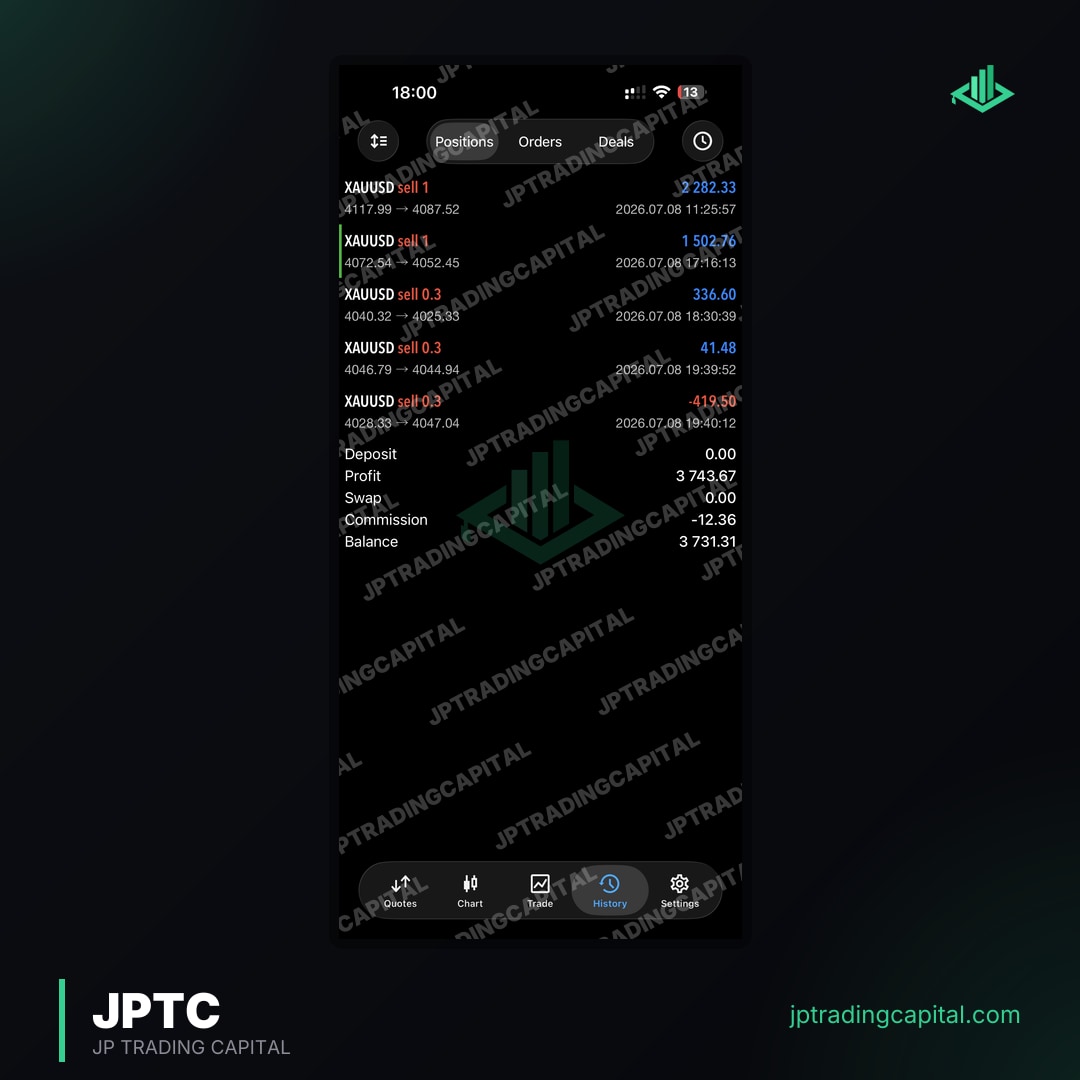

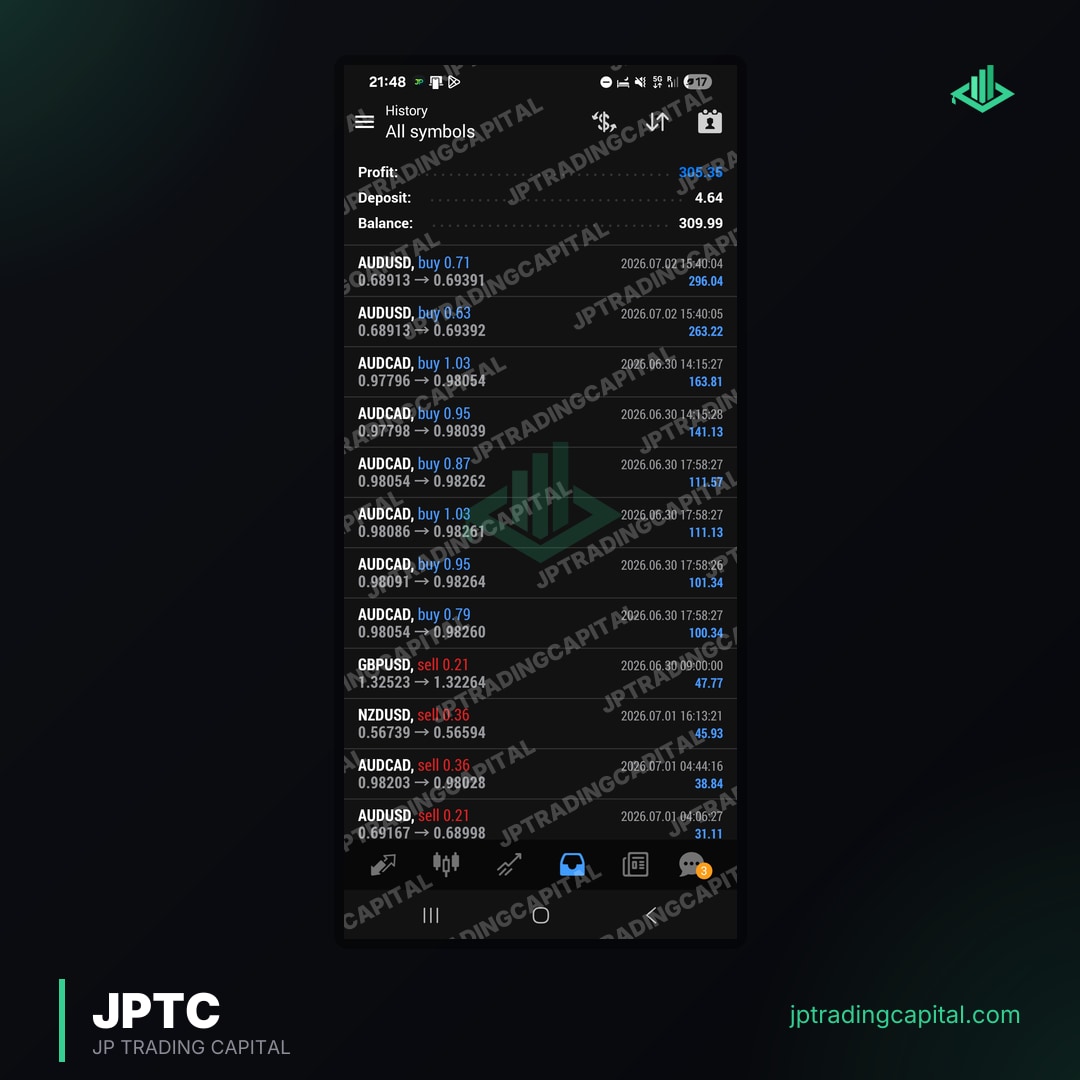



Successfully swing trading within prop firm frameworks requires strategic adaptation to their specific rules, transforming potential obstacles into manageable parameters.
This often means adjusting traditional swing trading approaches to align with the firm's risk management philosophy, rather than expecting the firm to adapt to your style. The JPTradingCapital team has observed that traders who proactively integrate rule compliance into their strategy development tend to perform better.
Managing Drawdowns with Longer Holding Periods
Swing traders must employ robust risk management to prevent daily or maximum drawdown limits from being hit prematurely. This involves carefully sizing positions to withstand expected market fluctuations over the holding period. For example, if a firm has a 5% daily drawdown, a swing trader might aim for a maximum 1-2% risk per trade, allowing for multiple potential adverse movements without hitting the daily limit. Using wider stop losses, proportionate to the expected swing move, is also critical, but these must be balanced against the firm's maximum drawdown rules. Some traders choose to take smaller initial positions and scale in if the trade moves favorably, reducing initial exposure to large drawdowns.
Maintaining Consistency with Fewer, Larger Trades
Consistency rules, such as requiring profits on a certain number of trading days or limiting the percentage of profit from a single trade, can be challenging for swing traders who naturally take fewer, higher-conviction trades. To address this, swing traders might consider diversifying across a few correlated or uncorrelated assets, allowing multiple swing trades to be active simultaneously, or strategically taking smaller, shorter-term trades to meet daily minimums while waiting for larger swing setups to materialize. The goal is to demonstrate consistent performance without relying solely on one or two large winners.
Navigating Time Limits and Scaling
Evaluation time limits can pressure swing traders to accelerate their strategies, which can be detrimental. When faced with time limits, traders might focus on swing trades with shorter expected holding periods or look for firms with more generous timeframes. For funded accounts, scaling plans can be a boon for swing traders, as increased capital allows for larger positions and potentially more flexibility in managing drawdowns over time. Understanding a firm's scaling policy, such as those offered by FXIFY, can be crucial for long-term growth.
Top Prop Firms Often Considered by Swing Traders
Several prop firms have gained recognition among the swing trading community for their accommodating rules and features, making them strong contenders for those seeking funding.
Our research, aligned with market sentiment, highlights specific firms that stand out for their swing-trader-friendly environments.
Goat Funded Trader
Goat Funded Trader is frequently mentioned as a top choice for swing traders due to its reputation for generous funding options and trader-friendly conditions. While specific details on weekend holding or swap fees should always be verified on their official site, their overall approach tends to favor diverse trading styles, including swing trading. Traders often appreciate their straightforward rules and supportive environment.
Lux Trading Firm
Lux Trading Firm is consistently highlighted as a good option for swing traders. They are known for allowing weekend holding and generally having rules that support longer-term trading strategies. Their funding models and evaluation processes are designed to assess a trader's ability to manage risk over time, which naturally aligns with the swing trading methodology. Our team recommends reviewing their specific policies on overnight positions and potential swap charges.
Maven Trading
Maven Trading stands out with specific features highly beneficial for swing traders, such as weekend holding and swap-free accounts. The elimination of swap fees can significantly reduce the cost of holding positions for several days, directly boosting a swing trader's net profitability. Their focus on providing an environment conducive to various trading styles makes them a strong candidate.
Other Notable Firms
While the above are frequently cited, other firms may also suit swing traders depending on their specific needs. The5ers, for example, is known for its relatively flexible trading conditions and scaling plans, which can benefit traders with longer holding periods. FTMO, while having more stringent daily drawdown rules, does permit weekend holding, making it a possibility for highly disciplined swing traders who can manage the daily fluctuations. Always cross-reference current rules directly with each firm's official website, as policies can evolve.
Leveraging Automated Trading (EAs) for Swing Trading in Prop Firms
Automated trading systems, or Expert Advisors (EAs), offer swing traders a powerful tool to manage and execute strategies effectively while adhering to prop firm rules.
The JPTradingCapital team has developed the JPTC EA Hub specifically to assist traders in navigating these complexities, demonstrating the practical application of automation in this context.
How EAs Can Manage Risk (Drawdowns, Stop Losses)
EAs can be programmed to automatically manage risk parameters crucial for prop firm compliance. For instance, an EA can enforce strict stop-loss levels, adjust position sizes based on account equity, and even monitor daily and maximum drawdown limits in real-time. This automation helps prevent emotional decisions and ensures that trades align with the firm's risk management rules, which is especially vital for swing trades that might experience significant intra-day volatility. Our EA solutions are designed with these exact challenges in mind.
Ensuring Consistency and Adhering to Rules
One of the unique advantages of EAs for swing traders in prop firms is their ability to maintain consistency. EAs execute trades based on predefined algorithms, removing human error and emotional biases that can lead to rule violations or inconsistent performance. The JPTC EA Hub, for example, comes pre-configured with backtested strategies that respect prop-firm rules like daily drawdown caps, max loss limits, and consistency requirements. This systematic approach can significantly improve a swing trader's chances of passing evaluations and maintaining funded status. For an example of what a 2-year live algo track record looks like, see JPTradingCapital's published results.
Backtesting and Strategy Validation
Before deploying any swing trading strategy, especially one implemented via an EA, thorough backtesting is essential. EAs allow for rapid and extensive backtesting against historical data to validate a strategy's profitability and resilience under various market conditions. This process helps swing traders understand how their strategy would have performed against prop firm rules in the past, allowing for adjustments before risking live capital. The MQL5 community provides extensive resources for EA development and backtesting, which can be invaluable for traders.
Platform and Brokerage Considerations for Swing Traders
The choice of trading platform and underlying brokerage conditions are fundamental to a swing trader's success, directly impacting execution, analysis, and cost.
These technical considerations are often overlooked but are critical for optimizing a swing trading strategy within a prop firm environment.
MT4/MT5 Compatibility
The vast majority of prop firms operate on MetaTrader 4 (MT4) or MetaTrader 5 (MT5). For swing traders, particularly those utilizing Expert Advisors, compatibility with these platforms is paramount. MT4 and MT5 offer robust charting tools, custom indicator support, and a stable environment for running EAs. The JPTC EA Hub, for instance, is designed to work seamlessly across MT4 and MT5 on popular prop firms like FTMO, FundedNext, FXify, TopStep, The5ers, and E8 Funding. Access to an official MetaTrader platform ensures reliability and broad tool compatibility.
Broker Spreads, Commissions, and Execution Speed
While prop firms provide the capital, the actual trading occurs through their partner brokers. Swing traders, who hold positions for longer, must pay close attention to the spreads and commissions offered by these brokers. Tight spreads and low commissions can significantly reduce trading costs over time, especially when taking multiple positions. Execution speed is also important, as slippage on entry or exit can erode profits, particularly during volatile market conditions that often accompany swing trading. Our team consistently audits various brokerage conditions to ensure optimal trading environments for our users.
Charting Tools and Analytical Features
Effective swing trading relies heavily on technical analysis. The trading platform should offer advanced charting capabilities, a wide array of technical indicators, and drawing tools to identify trends, support/resistance levels, and candlestick patterns. Features like multi-timeframe analysis and the ability to save custom templates can streamline a swing trader's workflow. While MT4/MT5 provide a solid foundation, some traders may integrate external charting platforms for more advanced analysis, but the primary platform must offer sufficient tools for daily operational needs.
The JPTradingCapital Advantage for Prop Firm Swing Traders
JPTradingCapital provides specialized tools designed to empower swing traders to excel within the demanding landscape of prop firm rules and evaluations.
Our solutions are built from the ground up to address the unique needs of traders seeking to pass challenges and manage funded accounts effectively.
Our flagship JPTC EA Hub is an automated EA pre-configured with backtested strategies that inherently respect prop-firm rules, including daily drawdown caps, maximum loss limits, and consistency requirements. This is particularly beneficial for swing traders who need to maintain discipline over longer holding periods and manage the inherent volatility of their strategies. The EA Hub works seamlessly on MT4 and MT5, making it compatible with a wide array of leading prop firms such as FTMO, FundedNext, FXify, TopStep, The5ers, and E8 Funding.
By automating rule adherence and strategy execution, JPTradingCapital helps swing traders focus on market analysis rather than constant monitoring of compliance. Our tools can assist in maintaining the consistency often required by prop firms, even with fewer, longer-duration trades. We believe that leveraging smart automation is a key component to achieving consistent trading results in the prop firm world. Furthermore, for those interested in expanding their reach, our affiliate program offers opportunities to partner with us in promoting these effective trading solutions.
Can swing traders pass prop firm challenges?
Which prop firms allow weekend holding?
Are swap fees a concern for swing traders in prop firms?
How can EAs help swing traders with prop firm rules?
What drawdown rules are best for swing trading in prop firms?
Related Articles
- Best Future Prop Firm: Complete 2026 Comparison for Traders & EA Developers · Read more →
- Best Futures Trading Indicators for ES, NQ & Micro Contracts · Read more →
- Best Futures Trading Prop Firms 2026: 5 Top Choices for Traders · Read more →
- Prop Firm Trading Minimum Account Size: What's the Cheapest Way to Get Funded in 2026? · Read more →
- FundedNext: Complete Guide to Prop Trading Challenges, Rules & Passing Strategies · Read more →
- Best FundedNext Discount Codes 2026: Up to 47% Off · Read more →
- Best FundedNext Forex Strategy: 3 Angles Competitors Miss [2026] · Read more →
- FundedNext practice account 2026: Exact Rules & Benefits for Traders · Read more →
The EA built for prop firm rules
Daily drawdown guard, hard max-loss stop, consistency-aware pacing and a news pause, on MT4 and MT5. One-time €797, no monthly fee. If you would rather not run the evaluation yourself, we run it for you.
See the EA Hub