Best Prop Firm Payout Rules 2026: Maximize Your Trading Profit
The best prop firm payout rules balance generous profit splits with clear, achievable withdrawal conditions, prioritizing transparency, rapid processing, and minimal buffer requirements. Firms offering high profit splits (e.g., 80-90%), daily or weekly withdrawal options, and straightforward eligibility criteria often provide the most favorable environment for funded traders.
- High profit splits, often starting at 80% for experienced traders.
- Flexible withdrawal schedules: daily, weekly, or bi-weekly options.
- Clear buffer requirements, sometimes 2-5% of initial profit.
- Transparent consistency rules that allow varied trading styles.
- Fast payout processing, with some firms offering same-day transfers.
Understanding the Core of Prop Firm Payout Rules
Understanding the fundamental aspects of prop firm payout rules is essential for any trader aiming to secure consistent income from their funded account. These rules dictate not only how much of your trading profit you get to keep, but also when and how you can access it, directly impacting your financial planning and overall trading strategy.
Proprietary trading firms offer capital to traders who successfully pass an evaluation, allowing them to trade with significant buying power without risking their own personal funds. However, this capital comes with a stringent set of rules designed to protect the firm's capital and ensure responsible trading. The payout policy is arguably the most critical component, as it's the ultimate reward for successful trading.
Profit Split Ratios: What to Expect
Profit split ratios determine the percentage of your generated profits that you receive, with the remainder going to the prop firm.
Most prop firms begin with a profit split ratio that heavily favors the firm during the initial stages, such as 50/50 or 60/40 (trader/firm). However, as a trader demonstrates consistent profitability and passes certain milestones, many firms offer scaling plans that increase the trader's share. It's common to see splits scale up to 80/20, 90/10, or even 95/5 for top-performing traders. For example, a firm might offer an initial 70% split, increasing to 80% after the first significant payout, and potentially higher thereafter. Always review the detailed scaling plan, as this can significantly impact your long-term earnings. The JPTradingCapital team advises traders to look for firms with clear scaling pathways that reward sustained success.
Withdrawal Frequency and Minimums
Withdrawal frequency specifies how often you are eligible to request a payout, while minimums define the smallest amount of profit you can withdraw.
Prop firms vary widely in their withdrawal schedules. Some firms allow weekly or bi-weekly withdrawals, while others might require a waiting period of 14, 21, or even 30 days after your first trade or evaluation pass. For instance, some firms, as seen in the competitive landscape, might offer eligibility for a first payout as early as 24 hours after your first trade in a funded account. Minimum withdrawal amounts are also a common condition; a firm might require a minimum of $100 or $500 in profit before a withdrawal can be initiated. Understanding these terms is crucial for managing your expectations and cash flow. For traders utilizing automated strategies, ensuring your system can generate consistent profits above these minimums is key to frequent payouts. Our EA Hub is designed with strategies that aim for consistent, rule-compliant gains to facilitate regular withdrawals.
The Importance of Payout Buffers
A payout buffer is a portion of your profits that a prop firm requires to remain in your trading account after a withdrawal, serving as a protective cushion against future drawdowns.
This buffer is a critical component of many prop firm payout rules. For example, if a firm requires a 2% buffer on a $100,000 account, and you make $5,000 in profit, you might only be able to withdraw $3,000, leaving $2,000 as a buffer. The exact amount or percentage varies significantly between firms. MyFundedFutures, for instance, mentions specific buffer amounts for different account sizes. This mechanism protects the firm's capital by ensuring that the account doesn't immediately hit a maximum drawdown limit after a successful withdrawal, allowing the trader to continue trading without needing to re-qualify. Always clarify the buffer requirements before committing to a firm, as it directly impacts your effective profit withdrawal amount.
Navigating Consistency and Other Eligibility Rules
Beyond profit splits and buffers, a deeper understanding of consistency rules and other trading restrictions is vital for ensuring payout eligibility and long-term success with a prop firm.
These rules are often put in place to ensure that traders are not engaging in risky, unsustainable strategies or exploiting system vulnerabilities. They aim to foster disciplined trading habits that are beneficial for both the trader and the firm. Failing to adhere to these rules, even if profitable, can lead to denied payouts or even account termination.
Consistency Rules: A Double-Edged Sword
Consistency rules aim to prevent traders from achieving their profit target through a single lucky trade or by taking excessive risks, instead promoting a steady, predictable trading style.
These rules can take various forms: some firms might limit the percentage of your total profit that can come from a single trading day, while others might specify a minimum number of trading days or trades within a payout period. For example, a firm might stipulate that no more than 30% of your profit target can be achieved in one day. While designed to encourage disciplined trading, these rules can sometimes be challenging for traders, particularly those who employ high-volatility strategies or trade news events. It's crucial to find a firm whose consistency rules align with your natural trading style to avoid payout complications. The JPTradingCapital team designs its automated strategies to inherently respect these rules, helping traders maintain consistency for evaluation passing and payout eligibility.
News Trading, Holding Trades Over Weekend, and Other Restrictions
Many prop firms impose specific restrictions on trading activities like news events or holding positions over weekends, which can directly affect payout eligibility.
These restrictions are typically in place to mitigate the firm's exposure to high-impact market volatility. For instance, some firms prohibit opening new trades or closing existing ones within a specific window around major economic news releases. Similarly, holding trades over a weekend, when markets are closed and can gap significantly on Monday, is often disallowed. Traders must meticulously review these specific rules, often detailed on the prop firm's official rules page, such as FTMO's general rules. Ignoring these can lead to breaches, account termination, and ultimately, forfeiture of profits and payout eligibility. Always ensure your trading plan, whether manual or automated, fully complies with these nuanced restrictions.
Real Accounts vs. Simulated Environments: Payout Implications
The distinction between trading in a simulated environment during an evaluation phase and a real funded account significantly impacts payout eligibility and the firm's operational structure.
Many prop firms initially place traders in a demo or simulated environment, even after passing the evaluation, to further assess their consistency and risk management. While profits in these simulated accounts are tracked and can lead to payouts, the underlying mechanism differs from a true live account. Some firms, as highlighted in competitive discussions, explicitly state they move traders into "real money accounts" once evaluations are passed. This transition is important because it often signifies a higher level of trust and direct market exposure. However, regardless of whether it's a simulated or live account, the payout rules typically remain consistent. The key is to understand the firm's specific funding model and ensure that their payout claims are legitimate, which often involves researching community feedback and verified track records.
Overlooked Factors Impacting Your Prop Firm Payouts
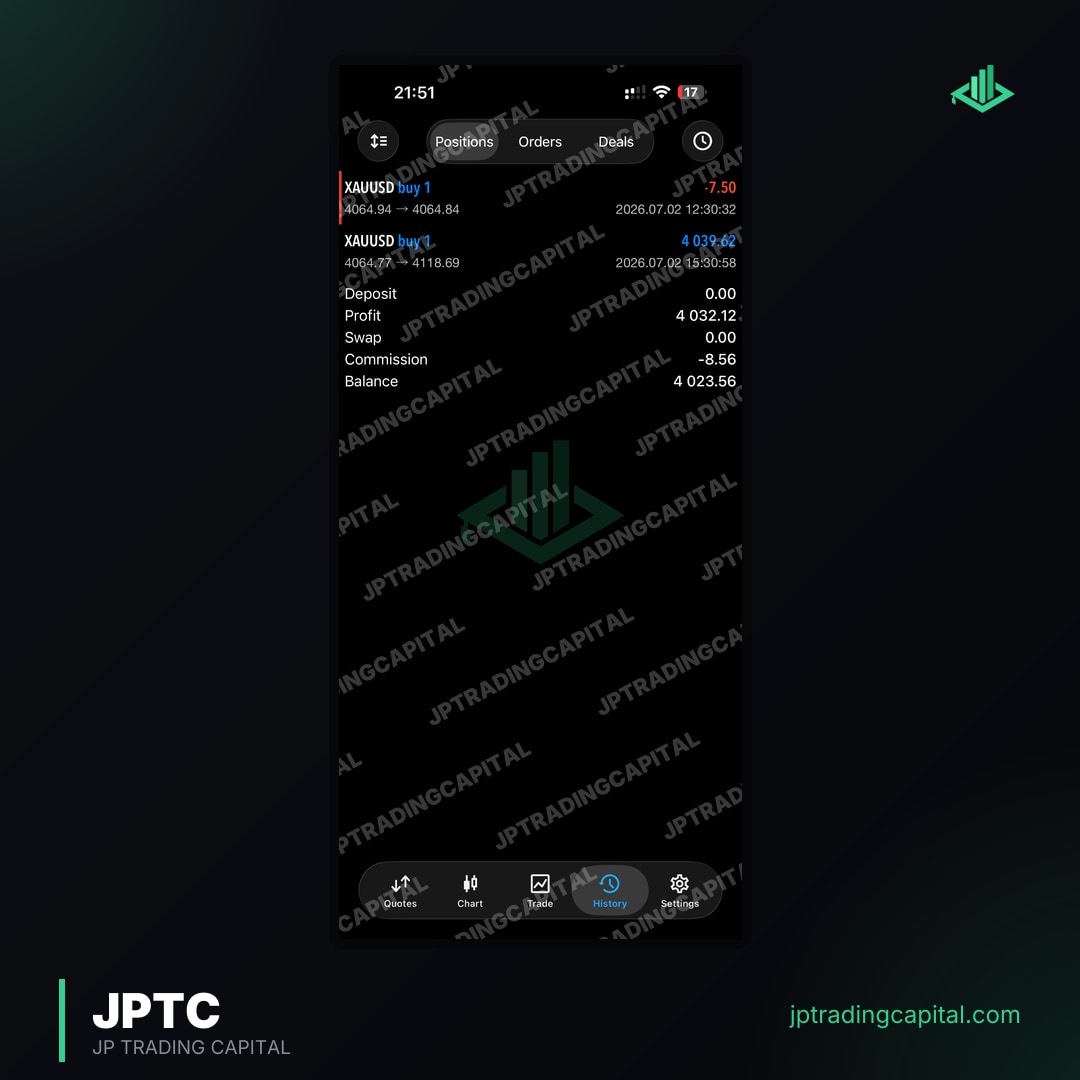
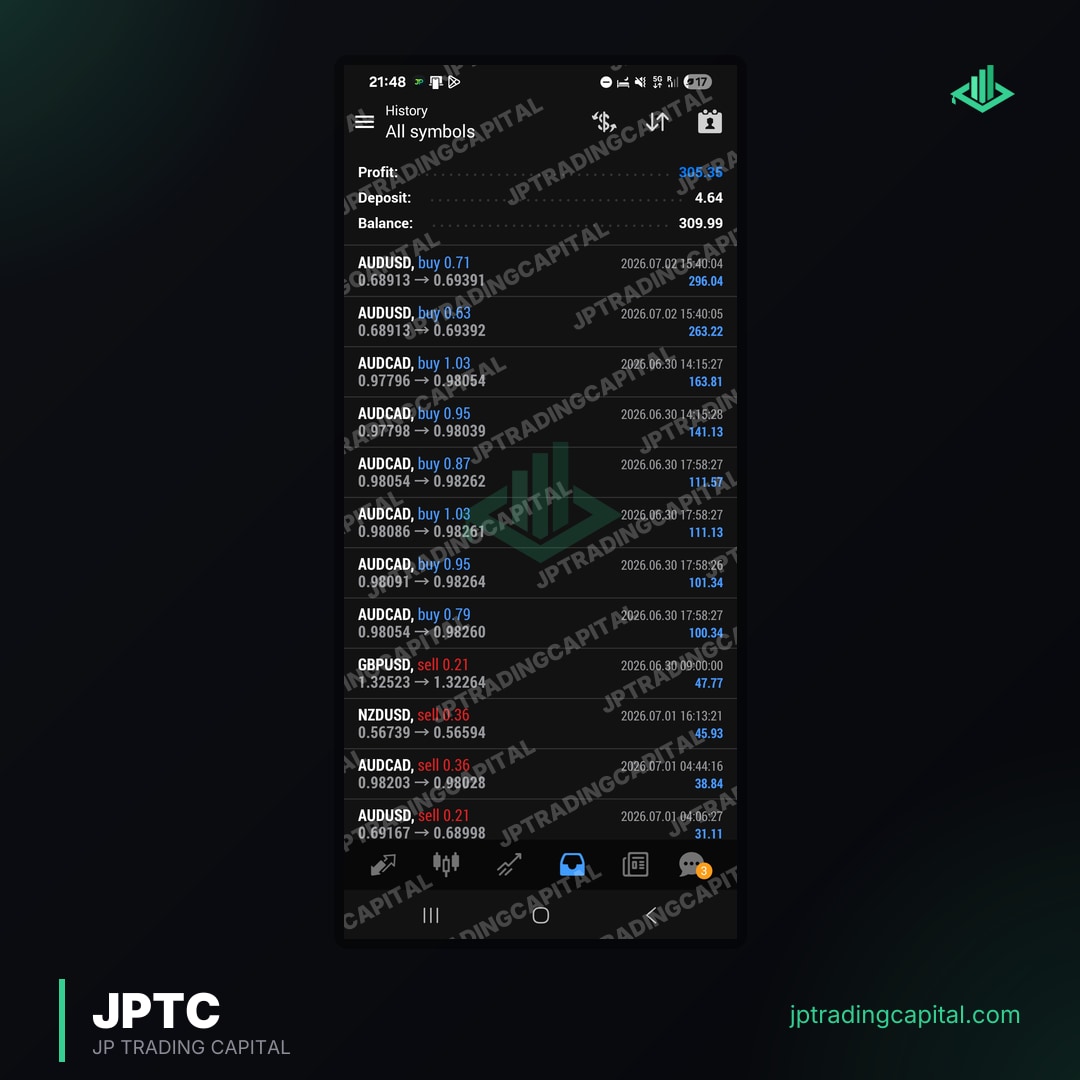
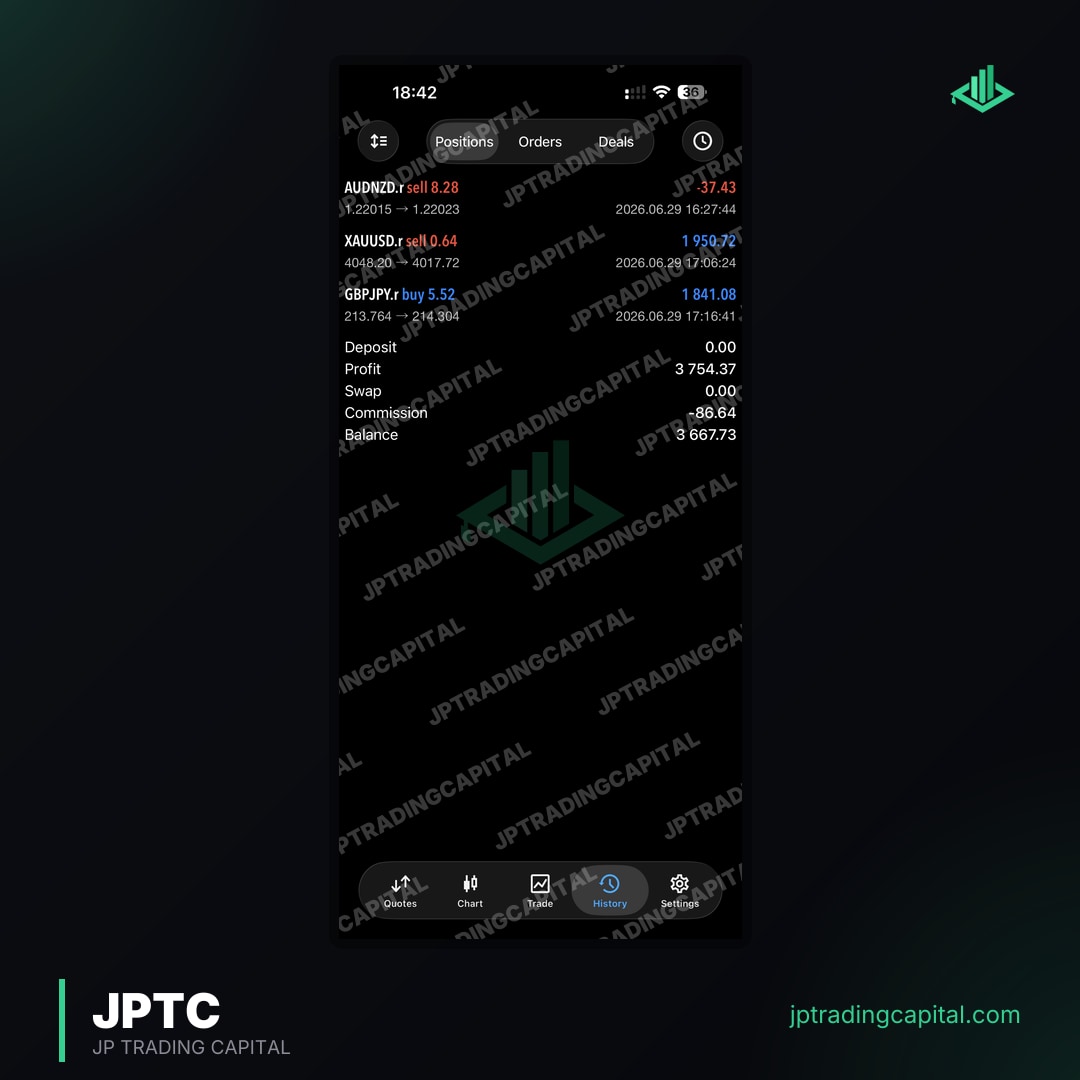

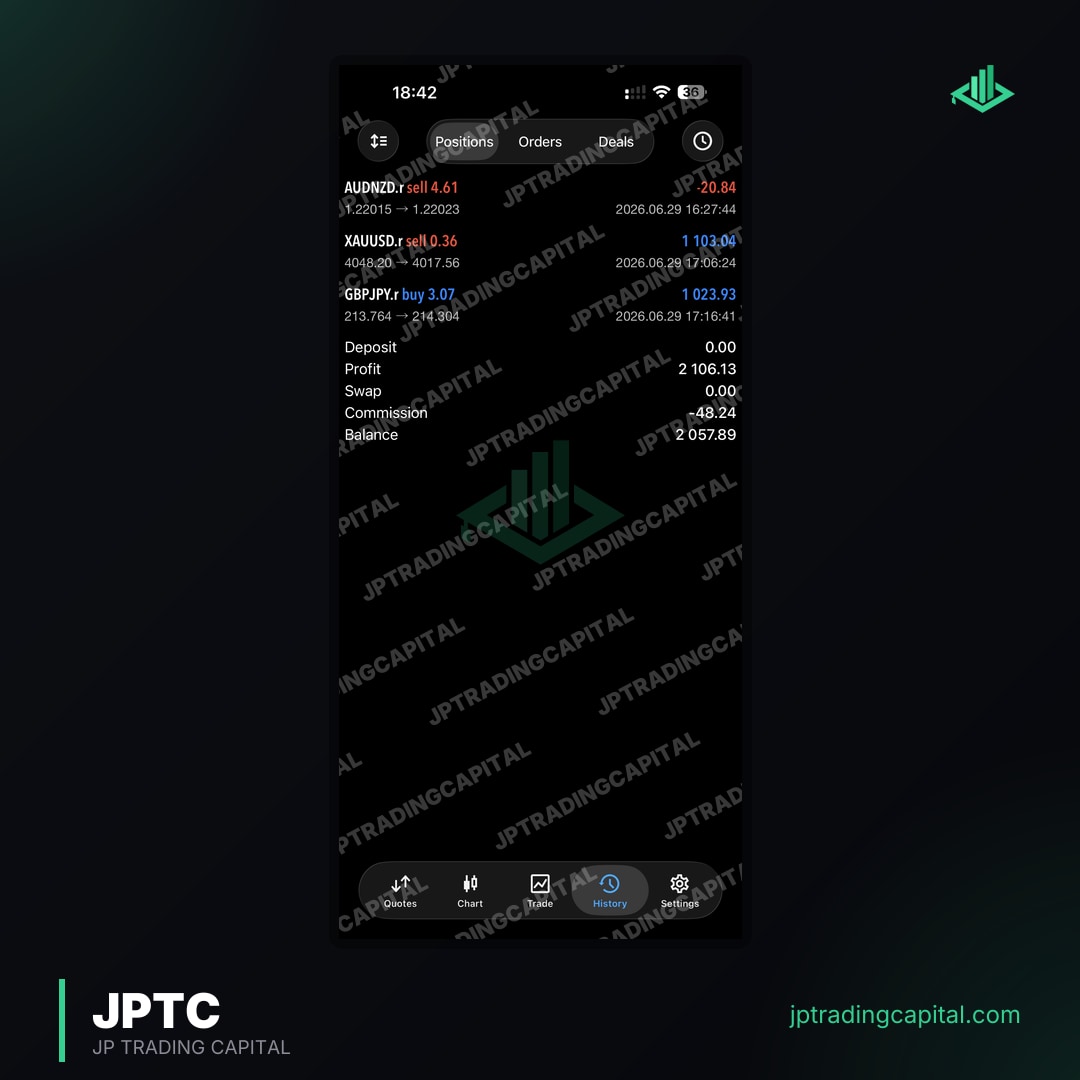
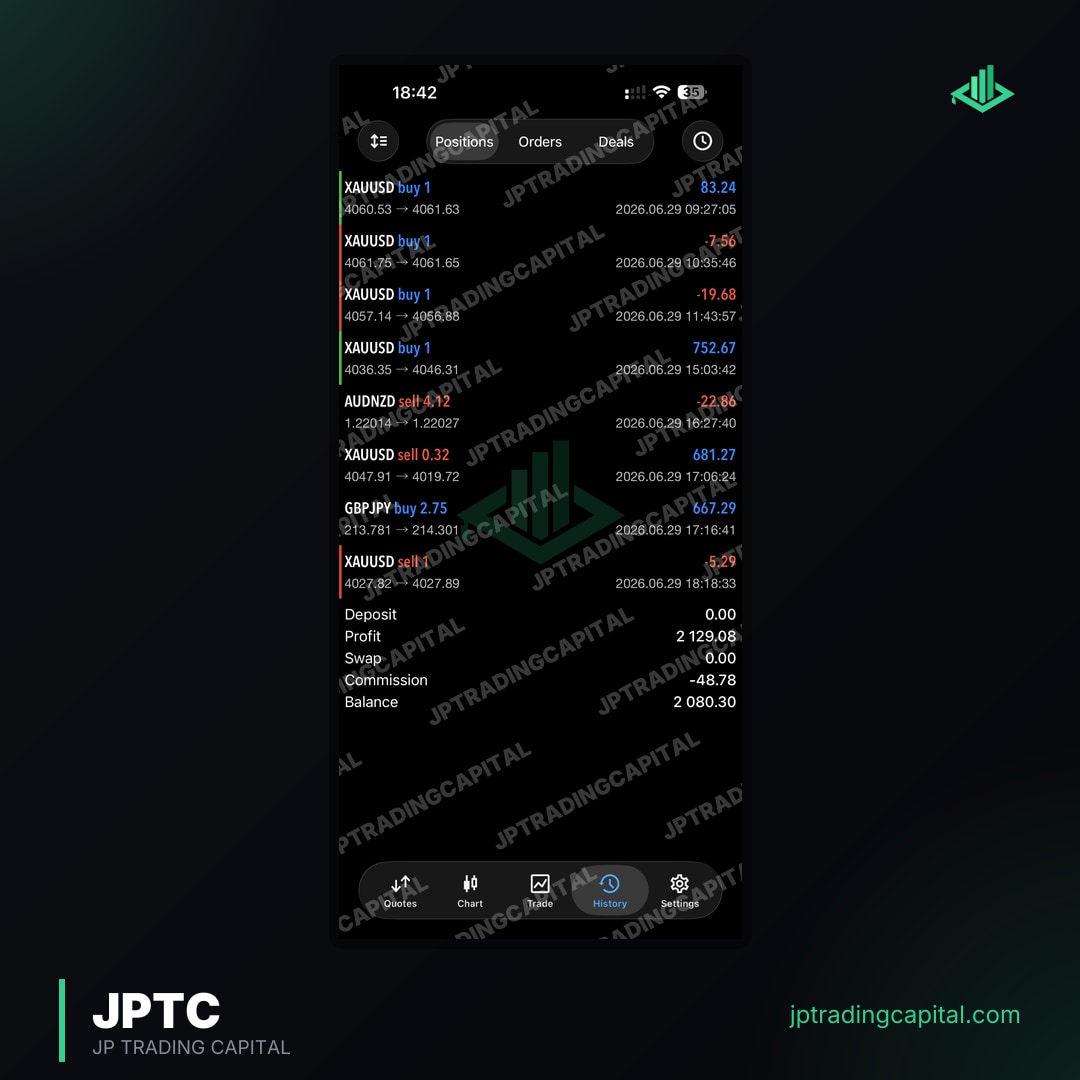
Beyond the headline profit splits and withdrawal schedules, several less obvious factors can significantly influence your actual take-home profit from a prop firm.
These often-missed details can include the subtle ways automated trading interacts with firm rules, unexpected costs associated with withdrawals, and the critical importance of verifying a firm's integrity. Paying close attention to these nuances can mean the difference between consistent payouts and frustrating denials.
How EAs and Automated Strategies Affect Payout Eligibility
The use of Expert Advisors (EAs) and other automated trading strategies introduces unique considerations for prop firm payout rules, particularly concerning consistency and prohibited trading methods.
While many prop firms permit EAs, their use must strictly adhere to all general trading rules, including daily drawdown limits, maximum loss, and consistency parameters. For example, an EA that scalps aggressively might fall foul of minimum trade duration rules, or one that opens unusually large positions could trigger consistency breaches. Furthermore, some firms explicitly prohibit certain EA behaviors like high-frequency trading, arbitrage, or reverse trading. JPTradingCapital specifically designs its EA Hub with pre-configured, backtested strategies that respect common prop-firm rules across platforms like MT4/MT5 and firms such as FTMO, FundedNext, and TopStep. This proactive approach helps traders avoid payout issues stemming from rule infringements. Traders must verify if their chosen prop firm has specific EA policies, as an automated strategy, if not carefully managed, can inadvertently lead to denied payouts.
Hidden Fees, Commissions, and Payment Processor Costs
Beyond the advertised profit split, traders may encounter additional fees and costs related to withdrawals, including payment processor charges, currency conversion fees, and potential firm-imposed withdrawal fees.
While many firms boast "no withdrawal fees," it's crucial to read the fine print. Payment processors like banks, PayPal, or crypto networks often levy their own transaction fees, which are typically borne by the recipient. If you're withdrawing in a currency different from your trading account's base currency, conversion fees can also eat into your profits. Some firms might also impose a small processing fee for certain withdrawal methods or for withdrawals below a specific threshold. For example, Apex Trader Funding, like many others, offers various payout methods, each potentially with its own associated costs. Always inquire about the full spectrum of potential costs before initiating a withdrawal to avoid unpleasant surprises. Transparent firms will clearly outline these potential charges in their payout policy documentation.
Verifying Payout Legitimacy and Firm Reputation
Verifying the legitimacy of a prop firm's payout claims and assessing its overall reputation is paramount to safeguarding your trading efforts and ensuring you receive your earned profits.
The competitive brief highlights concerns about firms that may not put traders into "real money accounts" or those where traders are "losing faith." This underscores the need for due diligence. Traders should actively seek out community reviews, forum discussions, and independent verification of a firm's payout history. Look for evidence of consistent, on-time payouts to multiple traders. While specific payout percentages or pass rates can be vague and hard to verify, a firm's track record of actually delivering funds to traders is a critical indicator. For an example of what a 2-year live algo track record looks like, see JPTradingCapital's published results. This kind of transparency helps build trust and confidence in a firm's ability to honor its payout commitments. A firm with a strong reputation for reliable payouts is often a safer choice, even if its profit split is slightly less aggressive.
Choosing the Best Prop Firm Payout Rules for Your Strategy
Selecting the optimal prop firm payout rules involves a careful alignment between your personal trading strategy, risk tolerance, and long-term financial goals.
The ideal set of rules is not universal; what works for a high-frequency scalper might not suit a swing trader. By understanding your own methodology and critically evaluating a firm's policies, you can make an informed decision that maximizes your potential for consistent and substantial payouts. Our research indicates that a tailored approach to prop firm selection often yields the best trading results.
Tailoring Payout Rules to Manual vs. Automated Trading
The choice between manual and automated trading strategies significantly influences which prop firm payout rules will be most favorable and least restrictive for a trader.
Manual traders might prioritize firms with more flexible consistency rules, allowing for discretionary decisions around news events or varied position sizing. They might also benefit from firms that offer educational resources or a strong community. Automated traders, on the other hand, need to scrutinize rules regarding EA usage, maximum open positions, trade duration, and server latency. Firms that are transparent about their EA policies and provide stable trading environments (e.g., MT4/MT5 compatibility) are often preferred. For instance, the JPTC EA Hub is designed to work seamlessly across multiple prop firms, indicating an awareness of diverse firm rules, ensuring that automated strategies remain compliant and eligible for payouts. Always ensure your chosen firm's rules don't inadvertently penalize your specific trading methodology.
Strategizing for Faster, Larger Payouts
To achieve faster and larger payouts, traders should focus on optimizing their trading performance, understanding all firm rules, and strategically managing their account growth.
This involves more than just hitting profit targets. It means consistently adhering to daily and maximum drawdown limits, respecting consistency rules, and avoiding any prohibited trading practices that could jeopardize your account. Traders should aim to build a significant buffer in their account before requesting large withdrawals, which can help maintain account stability and allow for more frequent payouts. Actively reviewing a firm's scaling plan and working towards higher profit split tiers can also lead to substantially larger take-home profits over time. By combining disciplined trading with a thorough understanding of the prop firm's specific payout rules, traders can optimize their journey toward financial success.
What is the typical profit split for prop firms?
How often can I withdraw profits from a prop firm?
What are payout buffer requirements?
Can using an EA affect my prop firm payouts?
How can I verify a prop firm's payout legitimacy?
The EA built for prop firm rules
Daily drawdown guard, hard max-loss stop, consistency-aware pacing and a news pause, on MT4 and MT5. One-time €797, no monthly fee. If you would rather not run the evaluation yourself, we run it for you.
See the EA Hub