Funded Trading Accounts Australia: Your 2026 Path

Securing a funded trading account in Australia involves passing a multi-stage evaluation process set by proprietary trading firms, allowing traders to manage substantial capital provided by the firm and earn a significant profit share without risking their own funds.
- Proprietary firms offer capital for traders who pass specific performance challenges.
- Australian traders benefit from high leverage and substantial account sizes.
- Evaluation phases test risk management, consistency, and profit generation.
- Automated trading systems (EAs) can significantly aid in meeting firm rules.
- Key considerations include profit split, scaling plans, and drawdown limits.
What Are Funded Trading Accounts and Why Are They Popular in Australia?
Funded trading accounts provide individual traders with access to significant capital from proprietary trading firms, enabling them to trade larger positions and potentially generate higher profits than they could with their personal funds alone.
The concept of funded trading has gained considerable traction among Australian traders due to several compelling advantages. Primarily, it addresses the common hurdle of insufficient trading capital. Many aspiring and experienced traders possess the skills but lack the financial backing to truly scale their operations. Prop firms bridge this gap by offering capital ranging from a few thousand to several hundred thousand dollars, or even more, with firms like Goat Funded Trader reportedly offering up to $800,000 initially and scaling to substantial sums. This allows traders to operate with professional-level capital without exposing their personal savings to market risk.
Furthermore, funded trading accounts often come with attractive profit-sharing models, where traders can retain a substantial percentage of the profits they generate, commonly between 70% and 90%. This incentivises consistent, disciplined trading. For the Australian market, where retail trading interest is high, these accounts offer a structured pathway to a professional trading career, complete with performance reviews, scaling opportunities, and often access to advanced trading tools and educational resources. The flexibility to trade various instruments, including forex, CFDs, and futures, further enhances their appeal, aligning with diverse trading strategies prevalent in the Australian trading community.
Navigating the Prop Firm Challenge: Your Path to a Funded Account
Successfully navigating a prop firm challenge requires a clear understanding of the evaluation structure, strict adherence to risk management rules, and selecting a firm that aligns with your trading style.
Understanding Evaluation Phases and Objectives
Most proprietary trading firms, including those popular among Australian traders like FTMO and FundedNext, employ a multi-phase evaluation process to assess a trader's skill, discipline, and risk management capabilities. Typically, this involves two phases:
-
Challenge Phase (Phase 1): This initial stage requires traders to achieve a specific profit target within a defined timeframe, all while adhering to strict risk parameters. Common profit targets might be around 8-10% of the initial account balance. Crucially, traders must also respect daily drawdown limits (e.g., 5% of initial balance) and maximum overall drawdown limits (e.g., 10% of initial balance). The minimum number of trading days is also a factor, ensuring consistency over time rather than a single lucky trade.
-
Verification Phase (Phase 2): Upon successfully completing the Challenge, traders proceed to the Verification phase. This stage typically has a lower profit target (e.g., 4-5%) and a longer or indefinite trading period, designed to confirm the trader's ability to maintain consistent performance under less pressure. The same drawdown rules apply, reinforcing the importance of disciplined risk management.
Passing these phases demonstrates to the prop firm that a trader can consistently generate profits while effectively managing risk, making them eligible for a funded account.
Key Rules and Risk Management
The cornerstone of success in any prop firm challenge, and subsequently as a funded trader, is rigorous risk management and strict adherence to the firm's rules. These rules are non-negotiable and are designed to protect the firm's capital while fostering responsible trading habits.
-
Daily Drawdown Limit: This specifies the maximum amount your account equity can fall from its starting balance at the beginning of a trading day. For example, a 5% daily drawdown on a $100,000 account means your equity cannot drop below $95,000 at any point during the day.
-
Maximum Drawdown Limit: This is the absolute maximum loss your account can incur from its highest point (either initial balance or peak equity) before the account is failed. For instance, a 10% maximum drawdown on a $100,000 account means your equity cannot fall below $90,000 at any time during the evaluation.
-
Consistency Rules: Some firms implement rules to prevent 'gambling' or relying on single large trades. These might dictate that no single day's profit can account for an excessively high percentage of the total profit target, or that trading activity must be spread across a minimum number of days. Understanding these nuances is critical for Australian traders to avoid unexpected disqualification.
-
News Trading and Holding Trades Over Weekends: Certain firms impose restrictions on trading during high-impact news events or holding positions over the weekend. Always check the specific rules of the prop firm you're evaluating. For detailed rule sets, firms like FTMO provide comprehensive official rules pages.
Effective risk management, including proper position sizing and setting stop-losses, is paramount to staying within these boundaries. The JPTradingCapital team consistently advises traders to develop a robust trading plan that incorporates these limits from the outset.
Choosing the Right Prop Firm for Australian Traders
The landscape of prop trading firms is vast, and selecting the right one is a critical decision for Australian traders. Our research shows that a careful comparison of features is essential:
-
Account Size and Scaling Plans: Evaluate the initial capital offered and the firm's scaling program. Does it allow you to grow your account substantially based on consistent performance? Firms like The5ers are known for their rapid scaling opportunities.
-
Profit Split: While many firms offer 80/20 or 90/10 profit splits, some may start lower and increase with performance. Ensure the split is competitive.
-
Instruments Available: Confirm that the firm offers the asset classes you intend to trade (e.g., forex, commodities, indices, cryptocurrencies via CFDs, futures). FundedNext, for example, offers CFDs and Futures.
-
Fees and Refunds: Understand the upfront challenge fee and whether it's refundable upon passing and receiving your first payout. Compare these costs across different account sizes.
-
Trading Platform: Most prop firms support MetaTrader 4 (MT4) or MetaTrader 5 (MT5), which are widely used by Australian traders. Ensure compatibility with your preferred tools and strategies, especially if you use Expert Advisors (EAs). You can learn more about these platforms at MetaTrader's official website.
-
Customer Support and Payouts: Consider the responsiveness of customer support, especially given potential time zone differences for Australian traders. Also, research the reliability and speed of their payout process.
Taking the time to research and compare these factors will lead to a more successful and compatible partnership with a prop firm. For those focusing on passing specific prop firm challenges, our guides on strategies for success offer further insights.
The Strategic Advantage of Automated Trading (EAs) in Passing Evaluations
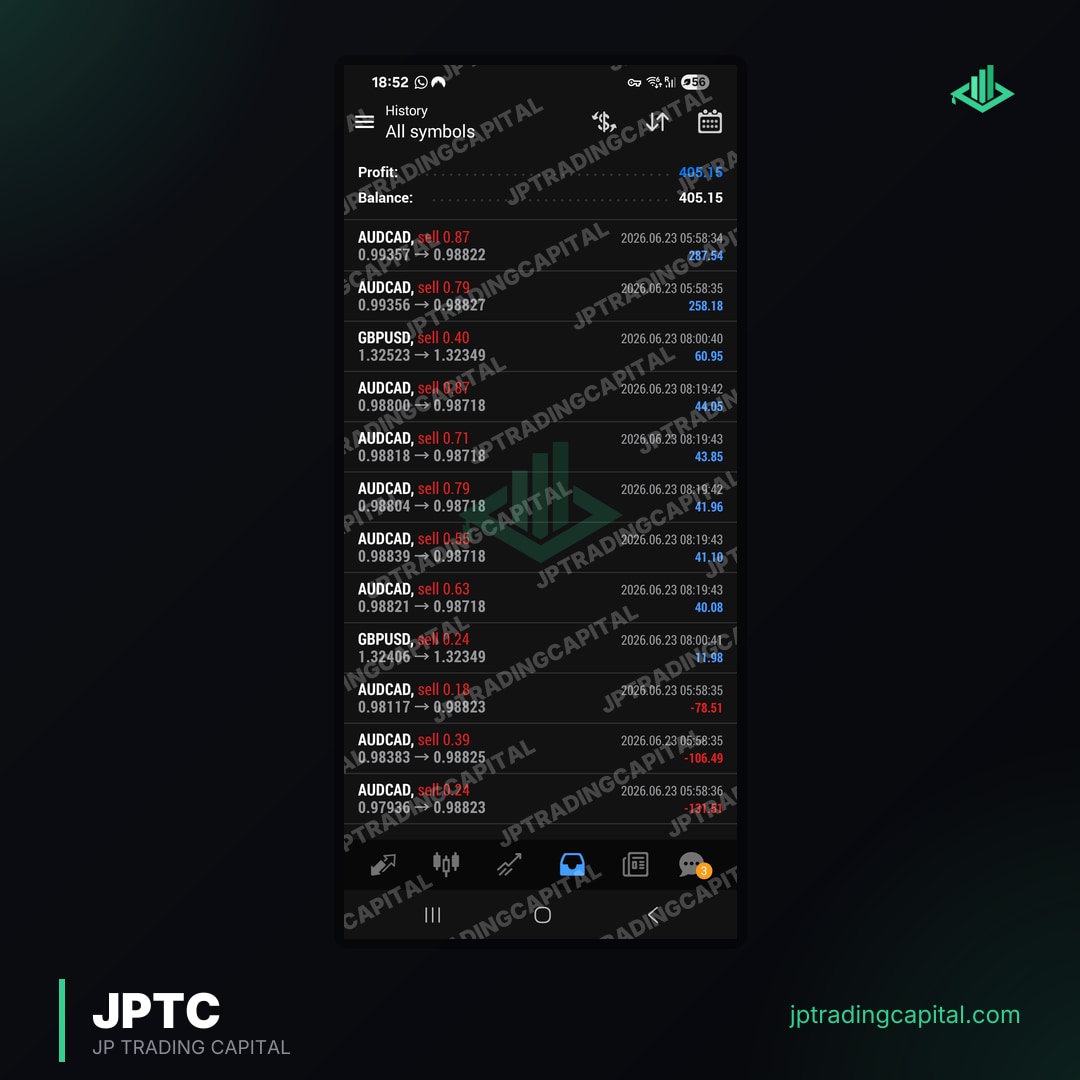
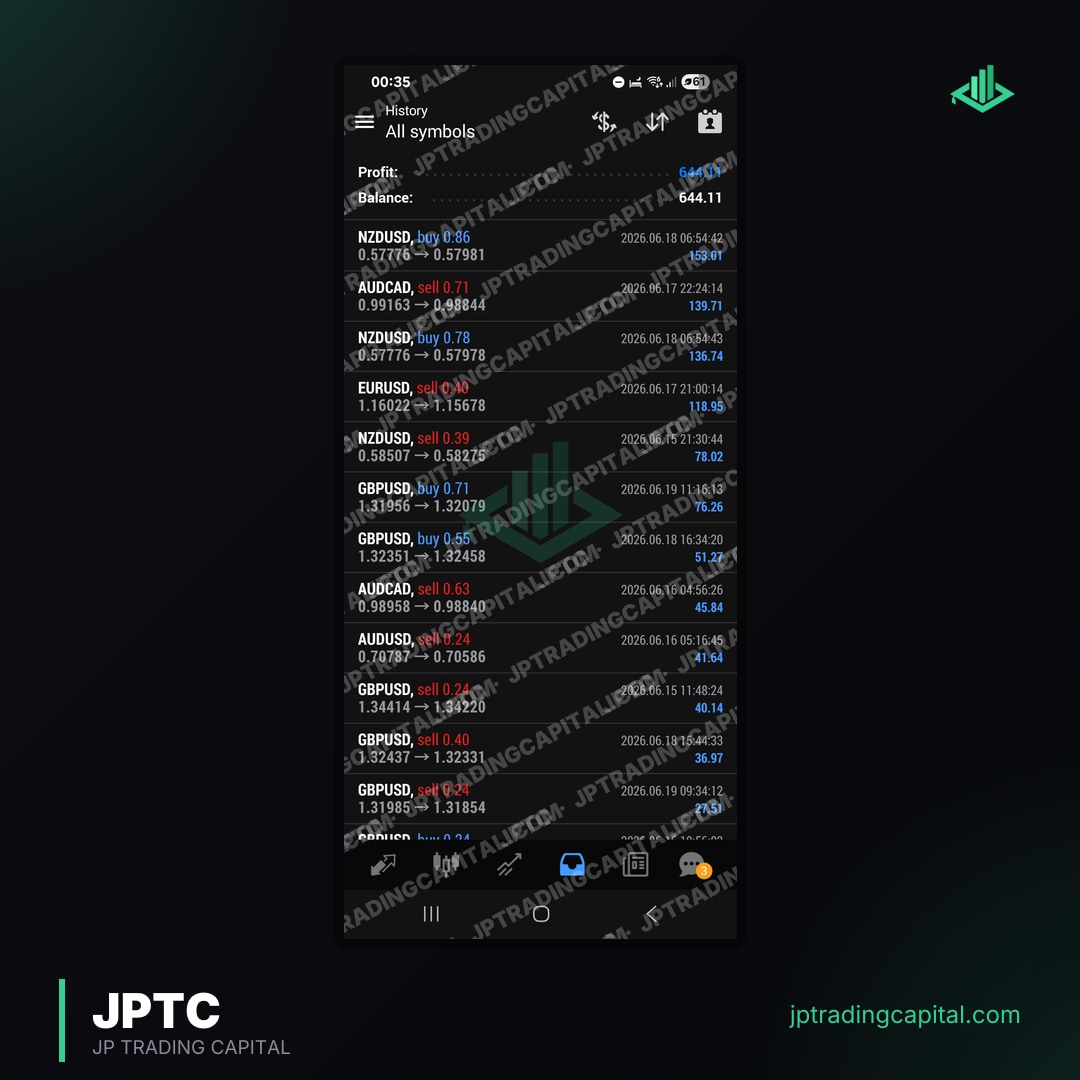

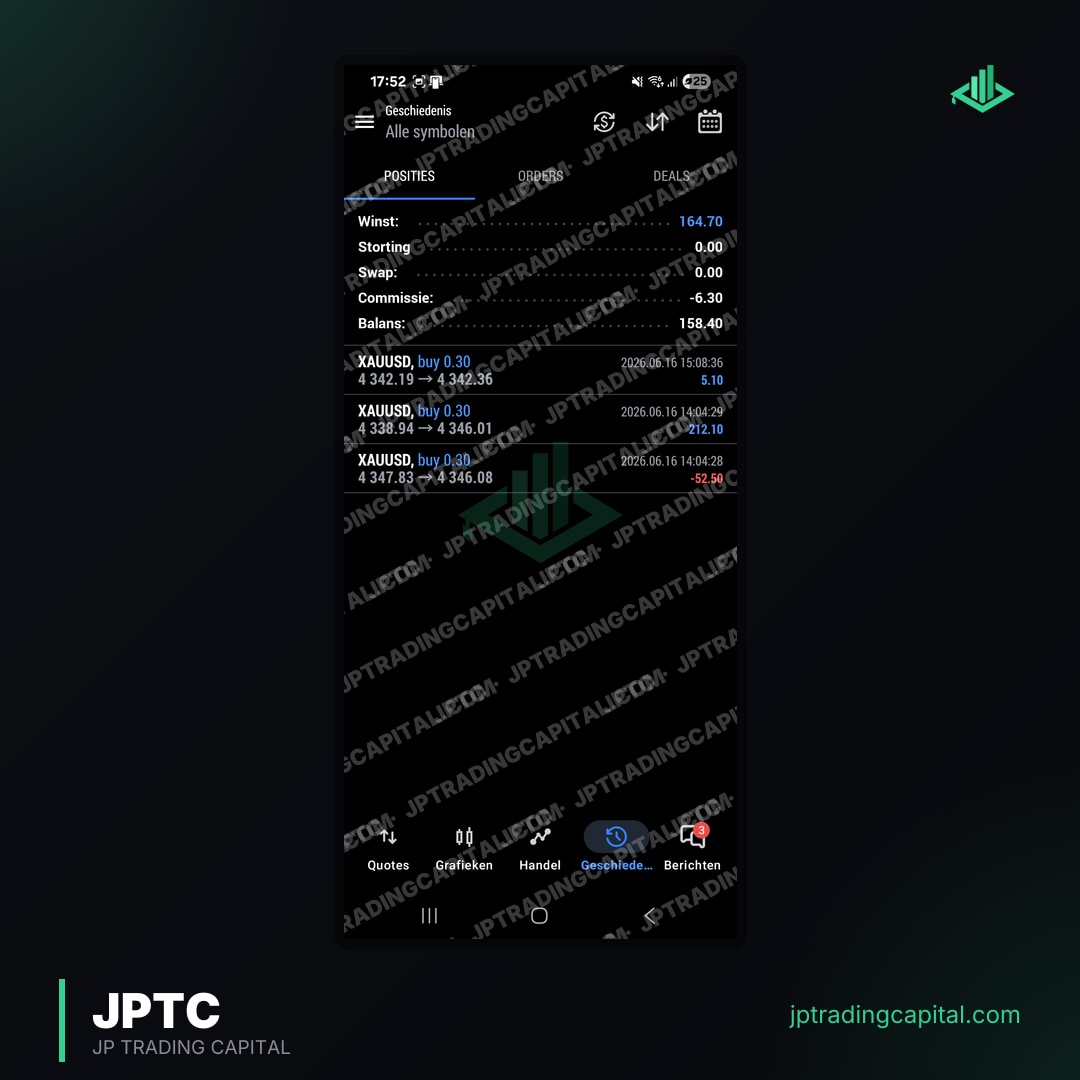
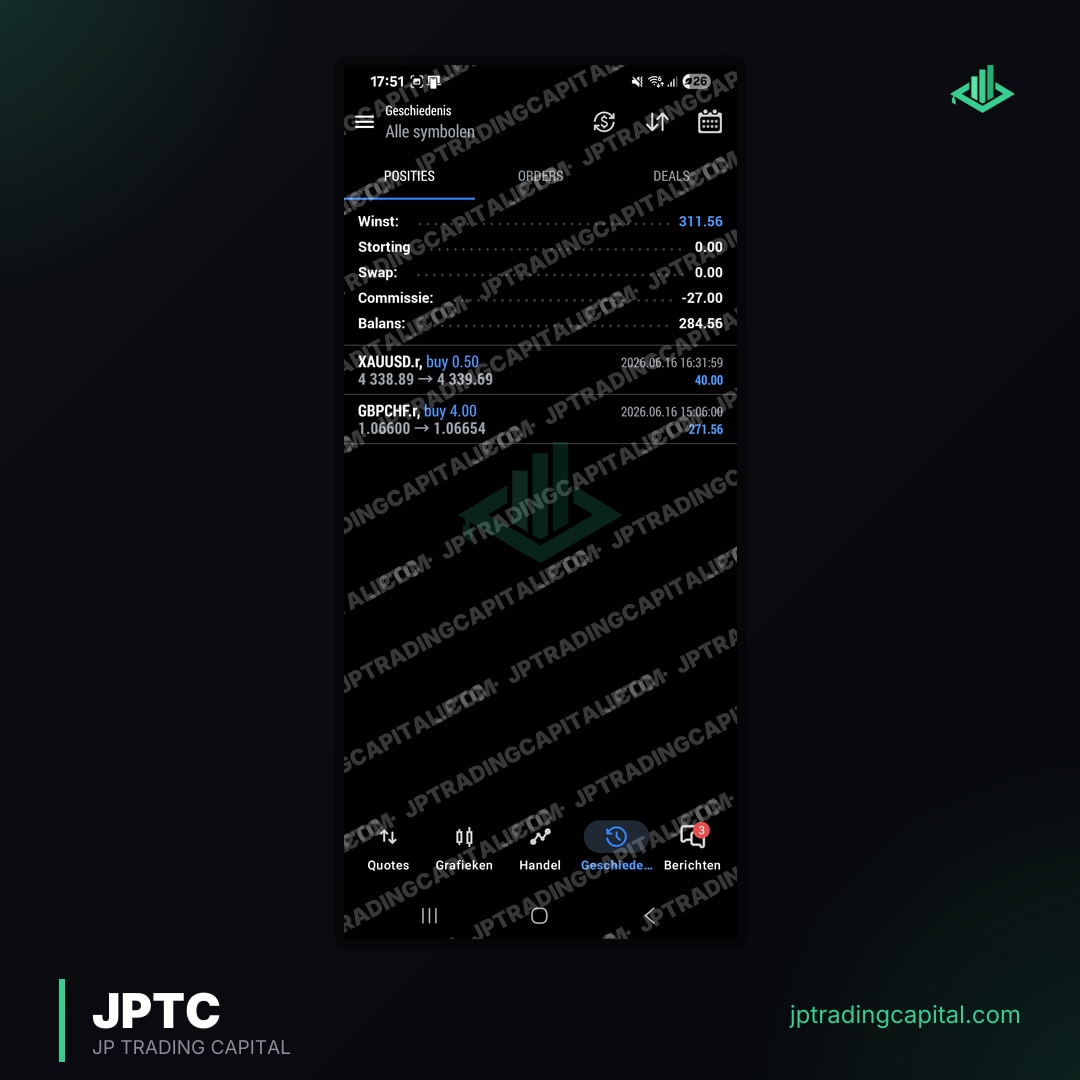
Automated trading systems, or Expert Advisors (EAs), provide a significant strategic advantage for Australian traders aiming to pass prop firm evaluations by ensuring consistent execution, disciplined risk management, and adherence to strict trading rules.
One of the biggest challenges in funded trading accounts Australia is maintaining the emotional discipline required to stick to a trading plan, especially under the pressure of drawdown limits and profit targets. EAs eliminate emotional biases, executing trades based purely on predefined algorithms. This ensures consistency in strategy application, which is a critical factor for prop firms looking for reliable traders.
For example, the JPTC EA Hub is specifically designed to respect prop-firm rules such as daily drawdown caps, maximum loss limits, and consistency requirements. By automating entries, exits, and risk management, EAs can prevent common pitfalls like overtrading, revenge trading, or violating drawdown limits due to human error or emotion. This systematic approach is invaluable for traders juggling other commitments, allowing them to participate in the markets around the clock without constant manual oversight. Our internal data suggests that traders utilising robust automated systems often demonstrate a higher degree of consistency, which is a hallmark of successful prop firm evaluation passes.
For an example of what a 2-year live algo track record looks like, see JPTradingCapital's published results. This verifiable performance highlights the potential of well-designed EAs. For Australian traders seeking to streamline their evaluation process and improve their chances of securing funded trading accounts, exploring automated solutions like the JPTC EA Hub can be a game-changer. These tools are pre-configured with backtested strategies compatible with major prop firms like FTMO, FundedNext, FXify, TopStep, The5ers, and E8 Funding, working seamlessly on MT4 and MT5 platforms.
Beyond the Challenge: Sustaining Success as a Funded Australian Trader
Sustaining success as a funded Australian trader extends beyond merely passing the evaluation; it involves strategic capital management, continuous skill development, and understanding local financial considerations.
Managing Multiple Accounts and Scaling Your Capital
Once a trader successfully secures a funded account, the journey shifts from evaluation to sustainable profit generation and growth. Many successful funded traders explore managing multiple accounts across different prop firms to diversify their capital and trading strategies. This approach can mitigate the risk associated with a single firm's specific rules or payout structure. For instance, a trader might manage a $100,000 account with one firm focusing on forex, and another $50,000 account with a different firm specialising in indices. This also opens up greater overall capital access.
Scaling plans are a key benefit of funded trading accounts. Prop firms typically offer to increase your account size based on consistent profitability. For example, if you achieve a certain profit target over a specified period with excellent risk management, the firm might automatically increase your capital. Understanding each firm's specific scaling criteria is vital for long-term growth. The JPTradingCapital team observes that traders who consistently hit their targets and manage risk effectively are those who benefit most from these scaling opportunities. Our verified results demonstrate the potential for consistent growth when trading with discipline.
Taxation and Local Considerations for Australian Traders
While prop firms operate globally, Australian traders receiving payouts from funded accounts should be aware of their local tax obligations. Profits generated from trading, whether from personal capital or a funded account, are generally considered taxable income in Australia. The specific classification of this income (e.g., business income or capital gains) can depend on the frequency and nature of your trading activity. It's crucial for Australian funded traders to:
- Keep meticulous records of all trades, profits, and withdrawals.
- Understand the tax implications of foreign currency conversions if payouts are in USD or EUR.
- Seek professional advice from a qualified Australian tax accountant who specialises in trading income. This is not financial or tax advice, but a general recommendation, as tax laws can be complex and specific to individual circumstances.
Other local considerations might include preferred payment methods for withdrawals, ensuring the prop firm offers options compatible with Australian banking systems, and understanding any local regulations that might indirectly affect international trading activities.
Common Pitfalls and How to Avoid Them
Even with access to funded trading accounts in Australia, several common pitfalls can derail a trader's success; however, these can be avoided with discipline and strategic planning.
One of the most frequent errors is overtrading. The excitement of larger capital can lead to taking too many trades or excessively large positions, quickly hitting daily or maximum drawdown limits. To avoid this, stick to your predefined trading plan and only take high-probability setups. Another pitfall is ignoring or bending prop firm rules. Every rule, from daily drawdown to consistency, is there for a reason. Attempting to circumvent them, even unintentionally, will lead to disqualification. Regularly review the firm's rules and integrate them directly into your trading strategy. For instance, if you use an EA, ensure its parameters are set to respect all prop firm limits.
Emotional trading is another significant hurdle. Losses can trigger revenge trading, and wins can lead to overconfidence, both of which impair judgment. Developing strong emotional resilience and adhering to a strict risk management framework are crucial. Finally, unrealistic expectations can lead to frustration and burnout. Understand that passing an evaluation is just the first step, and consistent profitability requires ongoing effort and adaptation. Focus on steady, manageable gains rather than chasing quick, large profits. By being aware of these common mistakes and actively working to mitigate them, Australian traders can significantly improve their longevity and success with funded trading accounts.
What is the typical profit split for funded trading accounts in Australia?
Can I use an Expert Advisor (EA) to pass a prop firm challenge?
What is the difference between daily drawdown and maximum drawdown?
Are funded trading accounts regulated in Australia?
How long does it typically take to get a payout from a funded account?
Related Articles
- Best Future Prop Firm: Complete 2026 Comparison for Traders & EA Developers · Read more →
- Best Futures Trading Indicators for ES, NQ & Micro Contracts · Read more →
- Best Futures Trading Prop Firms 2026: 5 Top Choices for Traders · Read more →
- Prop Firm Trading Minimum Account Size: What's the Cheapest Way to Get Funded in 2026? · Read more →
- FundedNext Futures Prop Firm: 7 Key Benefits & Payouts [2026] · Read more →
- FundedNext Futures Review 2026: 7 Key Insights for Prop Traders · Read more →
- Prop Firm Trading Without Deposit: How to Get Funded Accounts Free in 2026 · Read more →
- Scaling Your Funded Account: How to Get Larger Accounts After First Success · Read more →
Automated forex and gold trading
Runs on your own account at your own broker. We host and set it up, so there is nothing to install and no VPS. No profit share, no monthly fee.
See how it works