FundedNext Best Plan 2026: How to Maximize Your Funding

The FundedNext best plan for traders in 2026 is highly subjective, depending critically on individual trading style, risk appetite, and whether an automated or manual strategy is employed. While FundedNext offers various account types, typically multi-phase evaluation models and single-phase/instant funding options, the 'best' choice hinges on factors like profit targets, daily and overall drawdown limits, and the flexibility of their scaling plan.
- Multi-phase evaluations offer structured challenges with clear profit targets and drawdown limits.
- Single-phase or instant funding models provide quicker access to capital, often with tighter rules.
- Aggressive scaling plans, as noted by FundedNext, can allow for significant account growth.
- EA compatibility and adherence to specific prop firm rules are crucial for automated traders.
- Understanding the nuances of each plan's risk parameters is key to sustained profitability.
Navigating FundedNext Plans: Which Is Best for Your Strategy?
Choosing the FundedNext best plan requires a deep dive into the specifics of each offering, aligning them with your personal trading strategy and long-term aspirations. The JPTradingCapital team understands that what works for one trader may not suit another, especially when considering the intricate balance between risk, reward, and the operational demands of automated trading systems.
FundedNext, like many leading prop firms, structures its offerings to cater to a diverse range of traders. The competitive landscape shows a focus on distinct account types, often differentiating by the number of evaluation phases, the speed of funding, and the flexibility of rules. For example, some plans might appeal to those seeking a more traditional, two-phase evaluation process, while others prioritize immediate funding opportunities. Our research indicates that key decision points include the initial capital requirement (fee), the profit target for each phase, the maximum daily loss, the overall maximum drawdown, and crucially, the scaling opportunities available once funded. Each of these elements directly impacts the viability and profitability of your chosen trading approach, whether it's manual discretion or an automated strategy.
Deconstructing FundedNext Account Types: Key Differences
FundedNext typically presents traders with distinct account types, each designed to meet varying preferences for challenge structure, risk management, and speed to funding.
Multi-Phase Evaluation: The Classic Path to Funding
The multi-phase evaluation model is a common structure among prop firms, requiring traders to pass two distinct phases before becoming funded. This model typically involves a Phase 1 with a higher profit target (e.g., 8%) and a Phase 2 with a slightly lower target (e.g., 5%). Crucially, both phases come with strict daily drawdown limits (e.g., 5%) and an overall maximum drawdown (e.g., 10%). For traders using automated strategies, ensuring your Expert Advisor (EA) adheres to these limits is paramount. The JPTradingCapital team emphasizes that our JPTC EA Hub is specifically designed to respect these prop firm rules, helping traders navigate these challenges effectively. This classic path offers a balanced approach, allowing traders to demonstrate consistency over time, which can be beneficial for those who prefer a less aggressive trading style or are new to prop firm challenges. The fees for these accounts are generally refundable upon the first profit split, providing an incentive for successful completion.
Single-Phase or Instant Funding: Fast-Track to Profitability
In contrast to multi-phase evaluations, FundedNext also offers models that may include single-phase challenges or even instant funding options, as highlighted in competitive briefs referencing an "instant funding model." These plans are often characterized by a quicker path to a funded account, typically requiring only one hurdle to clear or providing immediate simulated capital. While seemingly attractive for their speed, these models often come with tighter trading rules, such as stricter daily loss limits or lower overall maximum drawdowns, to mitigate the firm's risk. For instance, a single-phase challenge might have a profit target of 10% with a 4% daily drawdown and an 8% overall drawdown. Traders employing high-frequency strategies or robust EAs might find these accounts appealing due to the accelerated funding process, provided their systems can consistently operate within the tighter risk parameters. It's essential to consult FundedNext's official website for the most current and specific details on these faster funding options, as rules and availability can evolve.
Beyond the Basics: Hidden Angles for Choosing Your FundedNext Best Plan
While the surface-level comparison of profit targets and drawdowns is crucial, the JPTradingCapital team identifies several deeper angles that significantly influence which FundedNext best plan is truly optimal for a trader, especially those leveraging technology.
Optimizing with Automated Trading Systems (EAs)
For traders utilizing Expert Advisors, the choice of a FundedNext plan is not just about the numbers; it's about the compatibility of the plan's rules with the inherent logic and risk management of your automated system. Different plans have varying daily drawdown caps, maximum loss limits, and often, consistency rules (e.g., no single trade accounting for a disproportionate amount of profit). An EA must be meticulously configured to respect these boundaries. For example, an EA designed for aggressive scalping might struggle with tight daily drawdown limits, whereas a trend-following EA might be better suited for plans with more generous overall drawdown but stricter consistency requirements. Our JPTC EA Hub, for instance, is designed with these prop firm rules in mind, featuring backtested strategies that adhere to strict limits, making it a powerful tool for navigating FundedNext challenges. Understanding how your EA interacts with each rule set on MetaTrader platforms is a critical, often overlooked, aspect of selecting the right plan.
Strategic Scaling and Long-Term Capital Growth
The scaling plan offered by FundedNext is a powerful feature that can transform an initial funded account into a substantial capital base. The competitive brief mentions an "aggressive scaling plan which allows 10x growth of the original account size." However, merely knowing this potential isn't enough; traders must strategically choose a plan that facilitates this growth. Consider how often you need to hit profit targets to scale, and what percentage of profit is required. A plan that allows for more frequent, smaller scaling increments might be preferable for consistent traders, while others might aim for larger, less frequent jumps. For traders aiming for long-term capital growth, selecting a plan that aligns with their ability to consistently meet scaling objectives, rather than just passing the initial challenge, is key. Observing how automated systems perform over extended periods, like JPTradingCapital's published results, can provide valuable insights into sustainable growth strategies.
Risk Management Tailored to Specific Plan Rules
The nuances of risk management within each FundedNext plan are often glossed over but are fundamental to success. For example, a 5% daily drawdown limit on a $100,000 account means you cannot lose more than $5,000 in a single trading day. This directly dictates your position sizing, maximum exposure per trade, and overall portfolio risk. An overall maximum drawdown of 10% on the same account means your balance cannot fall below $90,000 from the initial starting balance or highest equity peak, depending on the specific rule. These figures are not just abstract numbers; they are hard limits that require precise adherence. For automated traders, programming these exact limits into your EA is non-negotiable. The JPTradingCapital team emphasizes that understanding these rules is crucial for passing prop firm challenges, as neglecting them is a primary reason for failure. Your chosen FundedNext plan's specific rules should inform every aspect of your risk management framework, from entry to exit strategies.
JPTradingCapital's Perspective: Aligning Your Strategy with FundedNext
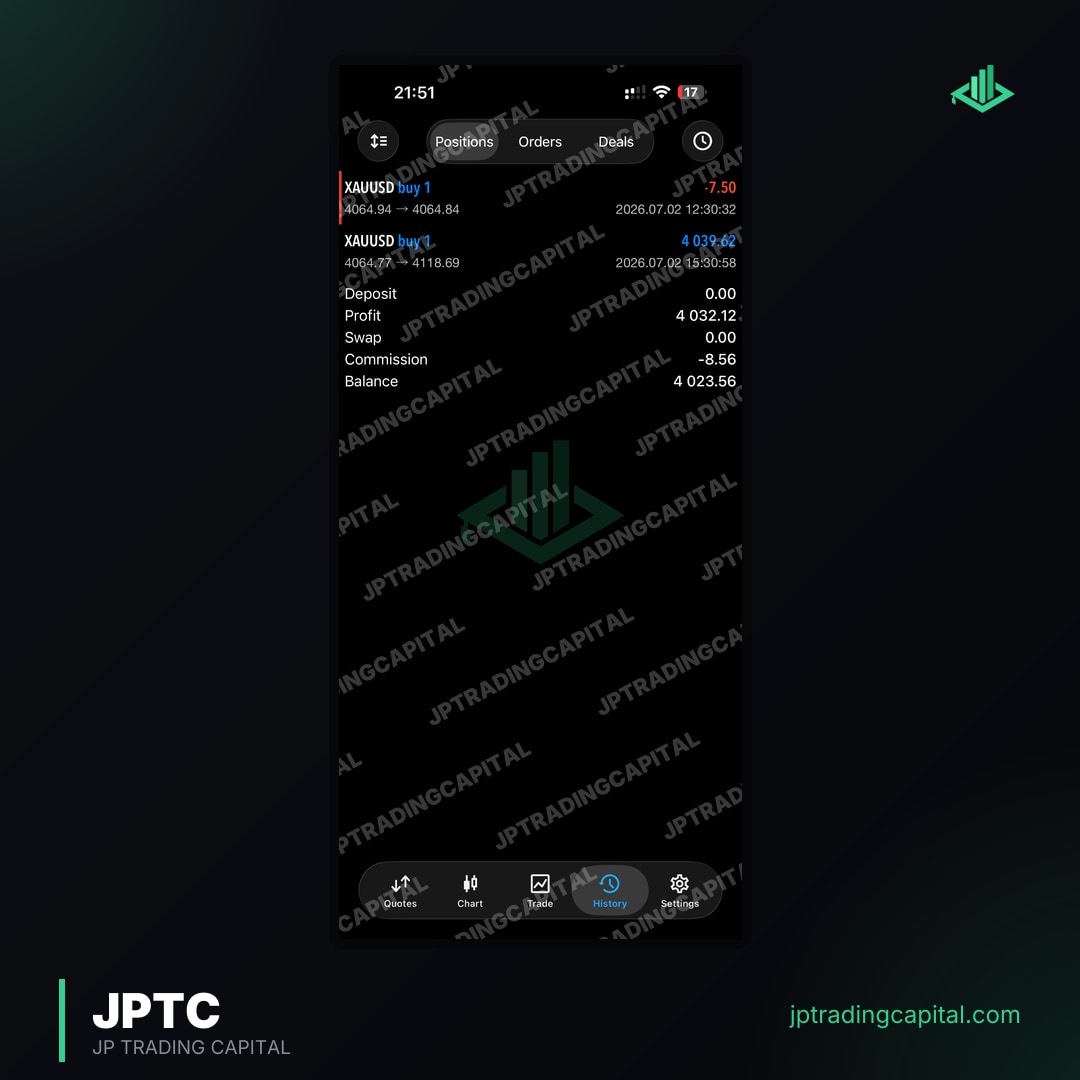
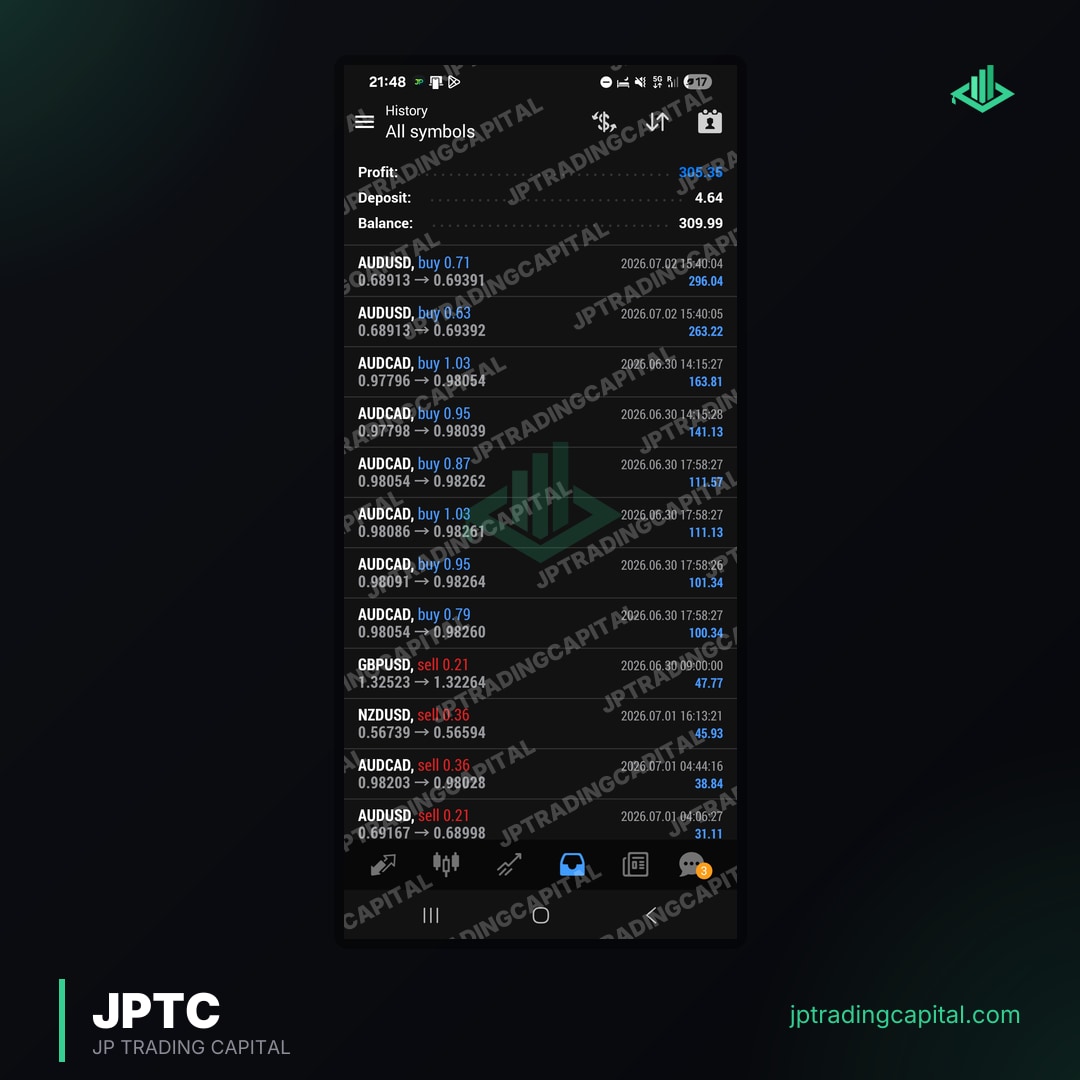



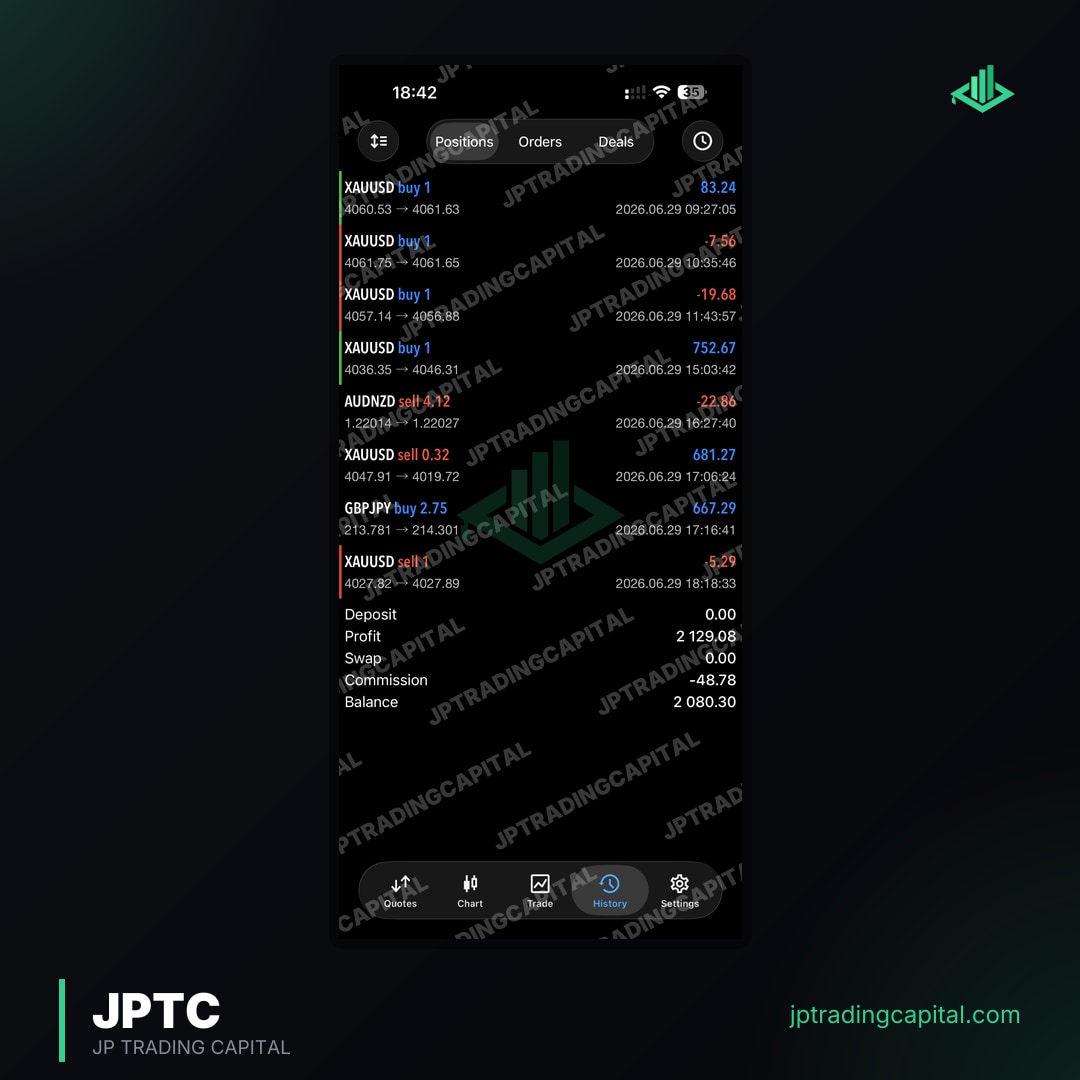
At JPTradingCapital, our mission is to empower prop firm traders with the tools and insights needed to succeed. When evaluating the FundedNext best plan, we consistently advise traders to consider how their chosen strategy, especially if automated, integrates with the firm's specific rules. Our JPTC EA Hub is developed with this exact challenge in mind, offering pre-configured, backtested strategies that inherently respect the daily drawdown caps, maximum loss limits, and consistency requirements prevalent across leading prop firms, including FundedNext.
We believe that the 'best' plan is one that minimizes friction between your trading approach and the prop firm's regulations. For instance, if a FundedNext plan has a strict 5% daily drawdown, our EAs are designed to cease trading or adjust risk exposure to prevent breaching that limit. This proactive risk management is vital for maintaining account eligibility and progressing through evaluation phases to a funded account. Furthermore, by providing consistent, rule-abiding performance, our tools contribute to a strong track record, which is essential for scaling up your funded capital. For those interested in seeing tangible evidence of automated trading success, we encourage reviewing our results, which showcase robust performance within prop firm parameters.
FAQ: Your FundedNext Best Plan Questions Answered
What is the FundedNext best plan for beginners?
For beginners, the FundedNext multi-phase evaluation plans are often considered ideal. They offer a structured learning environment with two distinct phases to demonstrate consistency, and typically have more forgiving time limits or no time limits, allowing ample opportunity to adapt to prop firm rules without excessive pressure.
Does FundedNext allow Expert Advisors (EAs)?
Yes, FundedNext generally allows the use of Expert Advisors (EAs). However, it is crucial that your EA adheres strictly to all trading rules, including daily drawdown, maximum overall drawdown, and any consistency rules. EAs must not engage in prohibited strategies such as HFT (high-frequency trading arbitrage), hedging across multiple accounts, or latency arbitrage. Always verify the latest rules on FundedNext's official site.
How does FundedNext's scaling plan work?
FundedNext's scaling plan allows traders to increase their simulated capital based on consistent profitability. Typically, after achieving a specific profit target over a set period (e.g., 10% profit over 4 months), your account size can be scaled up. Some plans offer aggressive scaling, potentially allowing for significant growth of the original account size. The exact mechanics vary by account type and are detailed on the FundedNext website.
What are the fees for FundedNext plans?
The fees for FundedNext plans vary depending on the chosen account size and type (e.g., evaluation, instant funding). These are typically one-time, refundable fees. For instance, a smaller evaluation account might cost around $50-$100, while larger accounts could be several hundred dollars. The fee is usually refunded with your first profit split once you become a funded trader.
How do I choose between a 1-phase and 2-phase challenge?
Choose a 1-phase challenge if you are an experienced, highly consistent trader seeking faster funding and are confident in meeting tighter, often more aggressive, profit targets and drawdown limits. Opt for a 2-phase challenge if you prefer a more traditional, structured evaluation, have a more conservative trading style, or are newer to prop firm challenges and value the opportunity to demonstrate consistency over a longer period with potentially more flexible rules.
Related Articles
- Best Future Prop Firm: Complete 2026 Comparison for Traders & EA Developers · Read more →
- Best Futures Trading Indicators for ES, NQ & Micro Contracts · Read more →
- Best Futures Trading Prop Firms 2026: 5 Top Choices for Traders · Read more →
- Prop Firm Trading Minimum Account Size: What's the Cheapest Way to Get Funded in 2026? · Read more →
- FundedNext: Complete Guide to Prop Trading Challenges, Rules & Passing Strategies · Read more →
- FundedNext Futures Prop Firm: 7 Key Benefits & Payouts [2026] · Read more →
- FundedNext Futures Review 2026: 7 Key Insights for Prop Traders · Read more →
- Prop Firm Trading Without Deposit: How to Get Funded Accounts Free in 2026 · Read more →
The EA built for prop firm rules
Daily drawdown guard, hard max-loss stop, consistency-aware pacing and a news pause, on MT4 and MT5. One-time €797, no monthly fee. If you would rather not run the evaluation yourself, we run it for you.
See the EA Hub