FundedNext Instant Funding: 6% Drawdown Rules [2026]
![FundedNext Instant Funding: 6% Drawdown Rules [2026]](https://images.pexels.com/photos/38808474/pexels-photo-38808474.jpeg?auto=compress&cs=tinysrgb&dpr=2&h=650&w=940)
FundedNext instant funding provides immediate access to a simulated funded trading account without requiring traders to pass a multi-phase evaluation. Under this model, traders bypass the challenge phase entirely, allowing them to trade simulated capital immediately and earn a profit share while managing risk under a strict trailing drawdown rule.
- No evaluation phase: Begin earning profit splits from day one of trading.
- No profit target: Trade without the pressure of hitting specific performance milestones.
- 6% trailing drawdown: Strict risk management based on account equity high-water marks.
- Up to 95% reward share: High potential payouts for consistent, profitable traders.
What is FundedNext Instant Funding?
The FundedNext instant funding program is a direct-to-funded simulated account option that eliminates the standard evaluation phases for retail traders.
In traditional prop firm models, traders must complete a multi-step evaluation process to prove their skills before gaining access to simulated funded capital. The FundedNext instant funding model, specifically known as the Stellar Instant program, bypasses this evaluation completely. Upon paying a one-time registration fee, traders receive immediate access to a simulated account and can start earning real profit splits based on their performance from their very first trades.
This model is highly popular among experienced traders who have proven strategies and do not want to spend weeks or months passing challenges. It is also highly appealing to algorithmic traders who want to deploy automated systems immediately. However, because the firm takes on immediate risk by offering payouts without an evaluation phase, the rules governing these accounts are structurally different and often stricter than standard evaluation accounts.
Key Rules of the Stellar Instant Account
Traders using the FundedNext Stellar Instant account must adhere to specific risk parameters, including a 6% trailing drawdown and no daily loss limit.
Understanding the exact rules of the fundednext instant funding model is critical to avoiding immediate account breach. Unlike traditional challenges that enforce both a daily loss limit and an overall max loss limit, the Stellar Instant account simplifies its risk parameters but tightens them. Here are the primary rules traders must navigate:
- No Daily Loss Limit: There is no daily drawdown cap on these accounts, giving traders more flexibility within a single trading day.
- 6% Trailing Drawdown: The overall maximum loss limit is set at 6% and trails the highest equity or balance achieved on the account.
- No Profit Targets: Since there is no evaluation phase, there is no target percentage you must reach to keep the account.
- No Minimum Trading Days: Traders are not forced to trade a minimum number of days before becoming eligible for withdrawals.
- Up to 95% Reward Share: Traders start with a competitive profit split that can scale up to 95% as they demonstrate consistency.
Drawdown Mechanics: How the 6% Trailing Limit Works
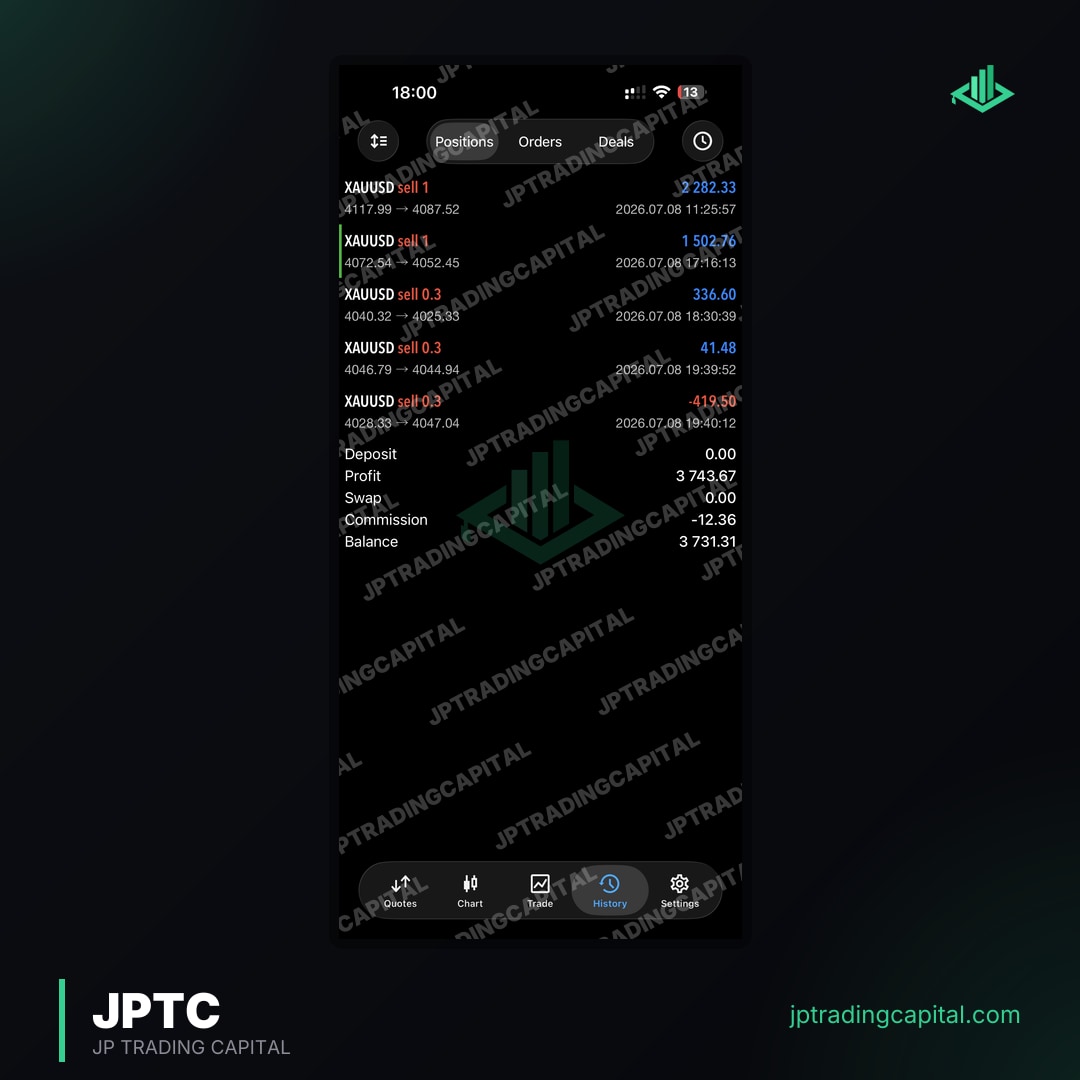
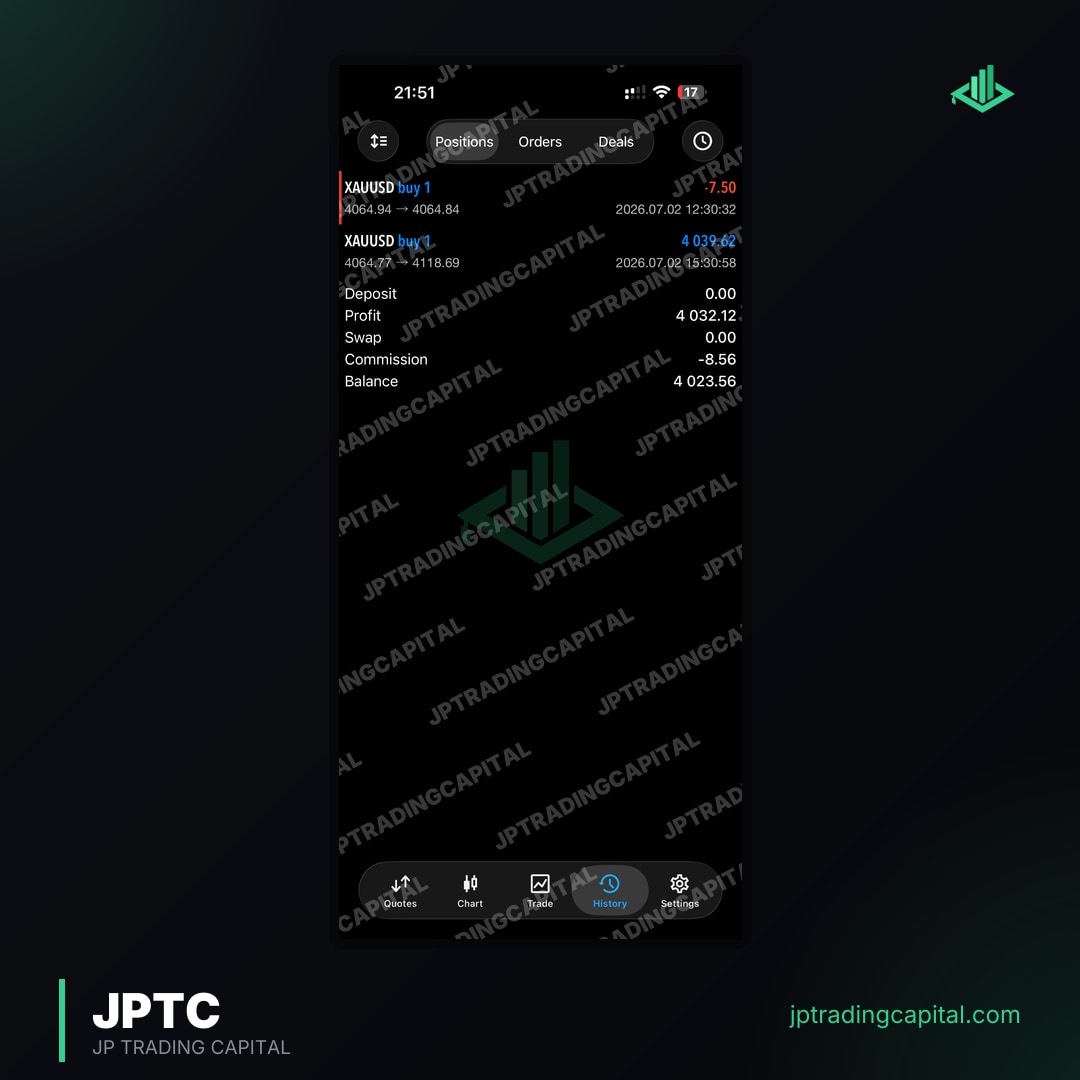
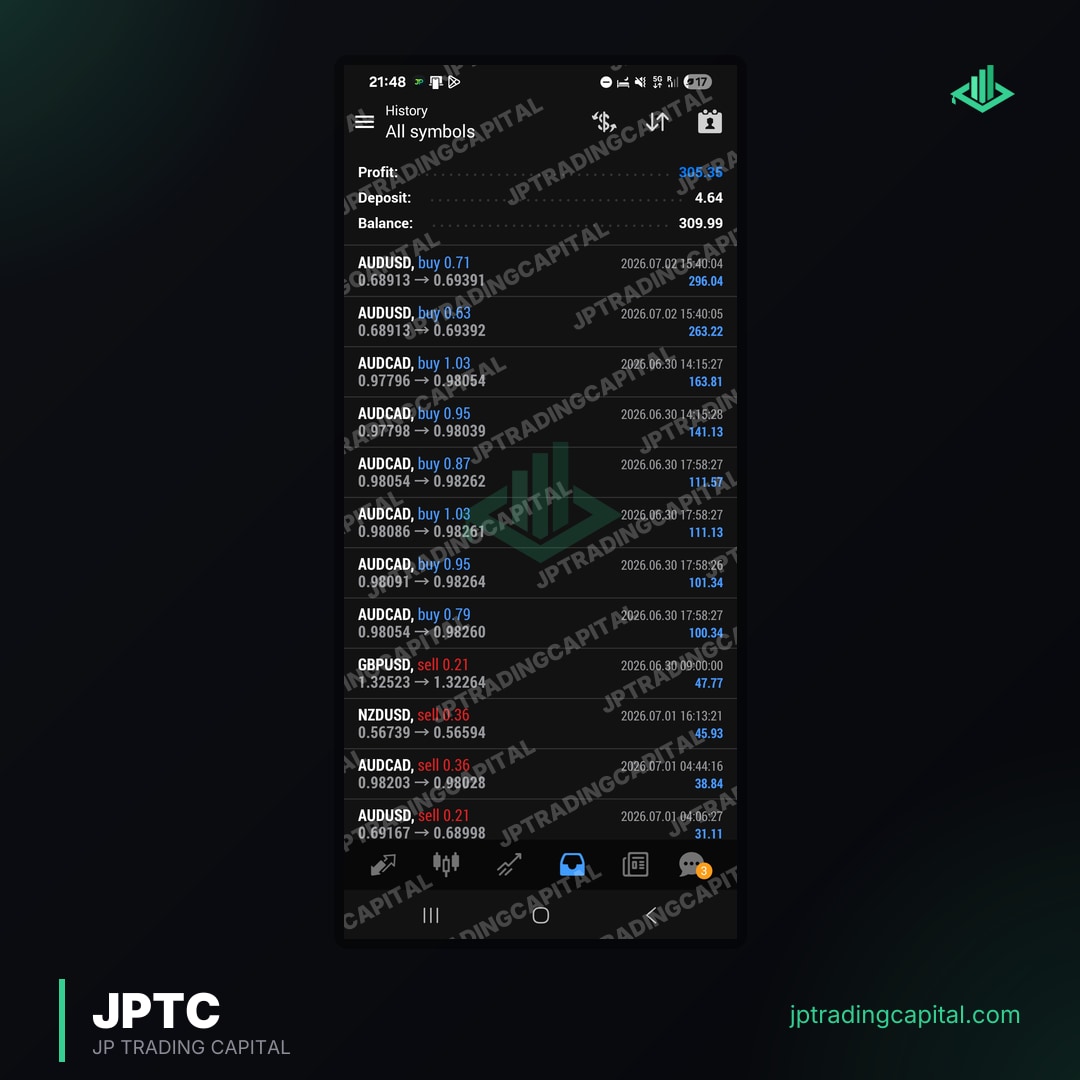
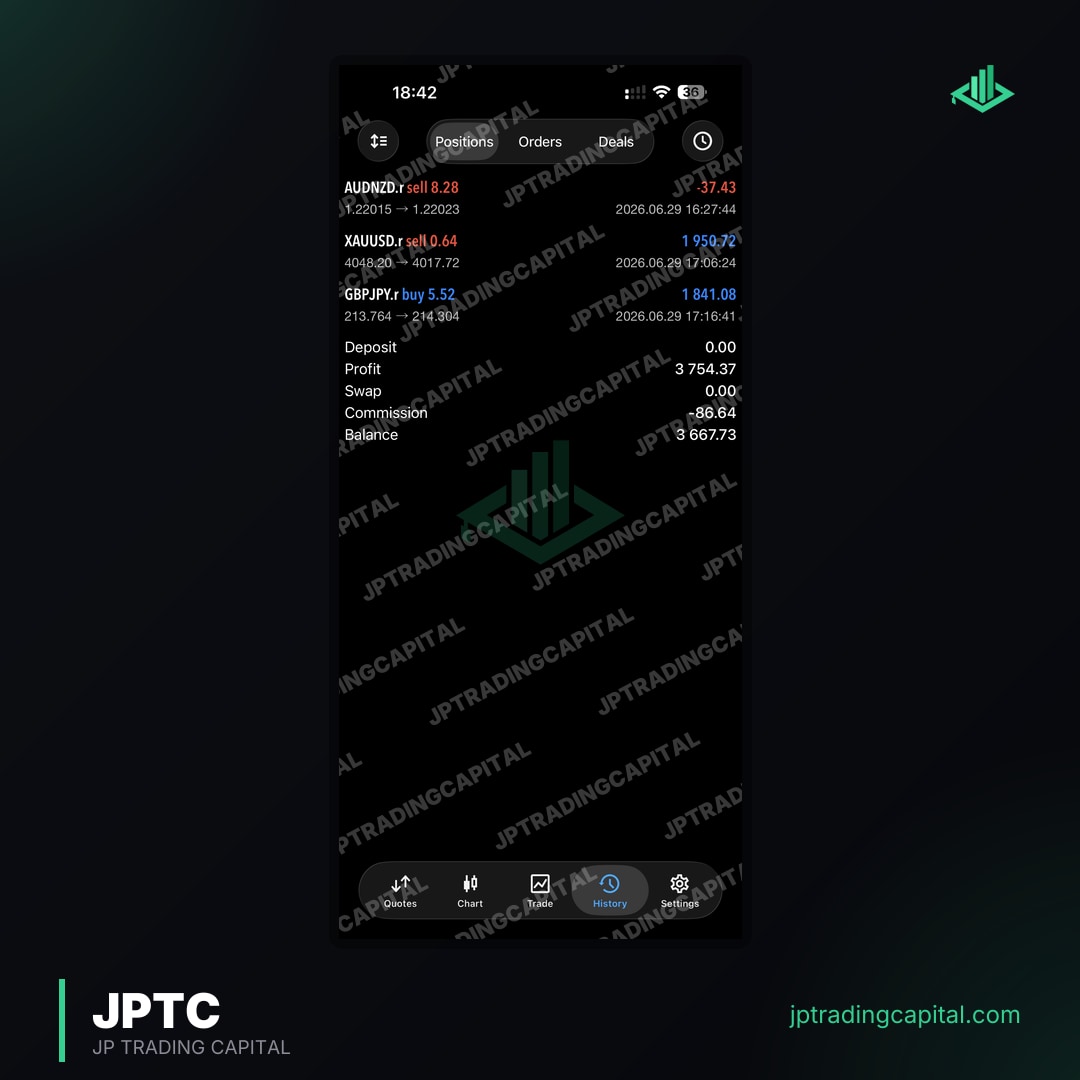
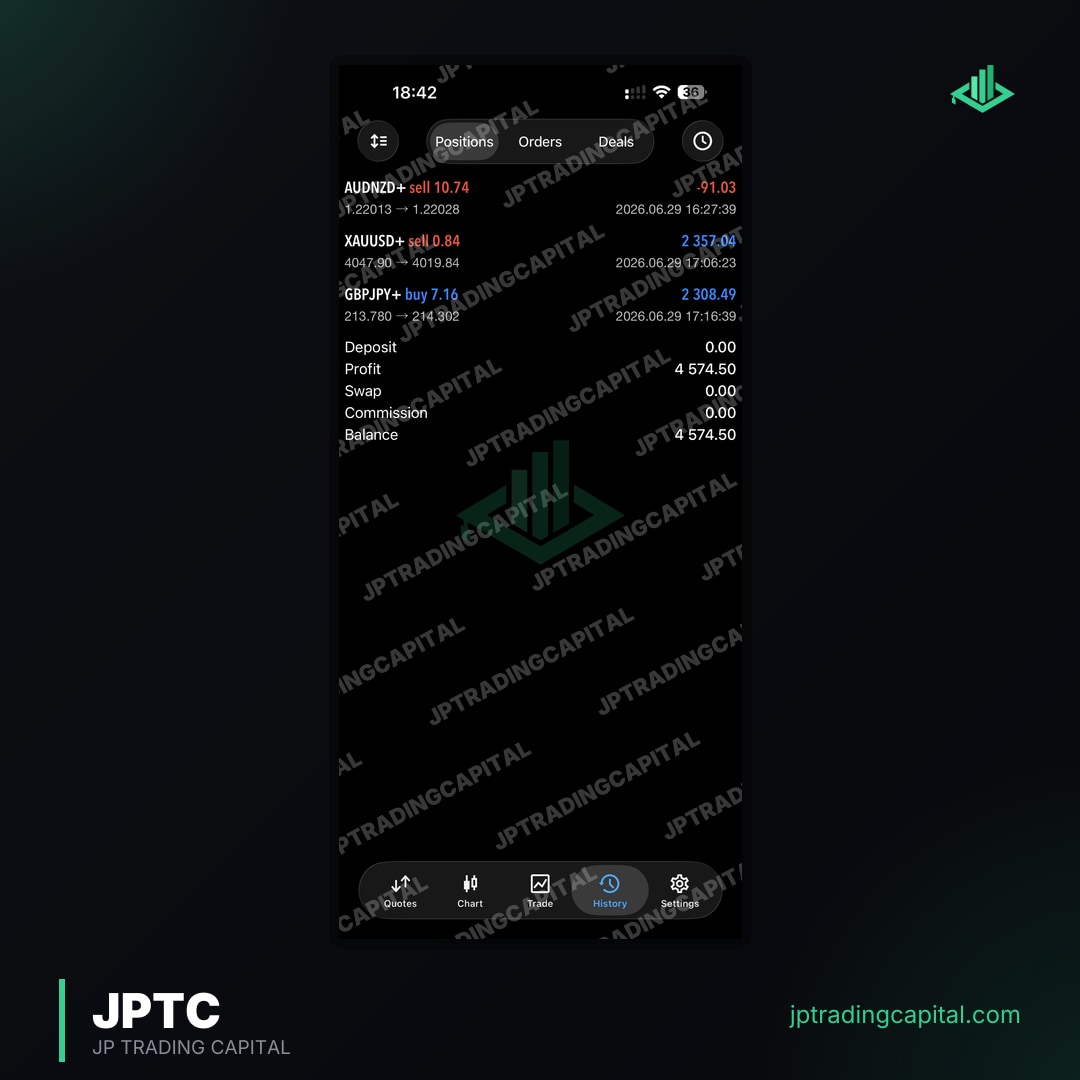
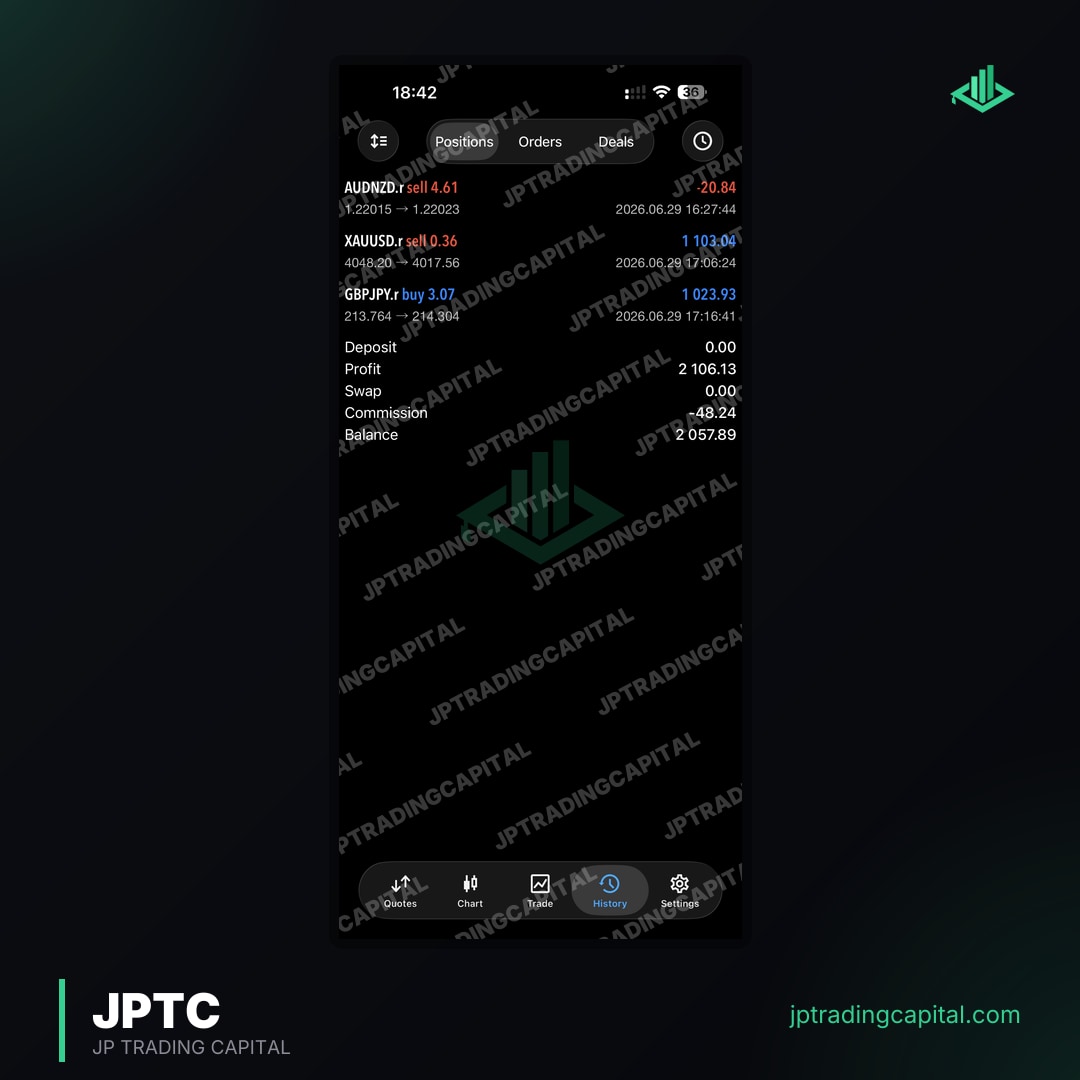
The 6% trailing drawdown on FundedNext instant funding accounts is calculated based on the highest equity or balance achieved on the account.
The trailing drawdown is the most common reason traders lose their instant accounts. Unlike static drawdown, which remains fixed relative to your starting balance, trailing drawdown moves upward as your account balance or equity increases. Let us look at a detailed, illustrative example of how this works in practice:
Suppose a trader purchases a simulated $10,000 Stellar Instant account. The maximum drawdown is 6%.
- Starting Position: The account balance is $10,000. The maximum drawdown limit is set at $9,400 ($10,000 minus 6%).
- Account Gains: The trader secures successful trades, and the account equity rises to $10,500. Because the drawdown trails the highest equity point, the new maximum loss limit rises to $9,870 ($10,500 minus 6%).
- Drawdown Lock: Even if the trader subsequently closes those positions and the balance settles back down, the drawdown limit remains at $9,870. If the account equity falls to or below $9,870 at any point, the account is breached.
This mathematical reality means that as your account grows, your cushion does not necessarily expand unless you actively manage your risk and lock in profits. Manual traders often struggle with this concept because they focus entirely on their account balance rather than their peak floating equity.
How to Automate Your FundedNext Instant Funding Strategy
Automating your trading on FundedNext instant funding accounts requires an EA that can dynamically calculate trailing drawdown to prevent account breaches.
Because the trailing drawdown is highly sensitive to peak equity, manual execution can be risky. One large floating profit that reverses quickly can pull your drawdown limit up and then breach your account on the retracement. This is why many professional traders utilize Expert Advisors (EAs) on platforms like MetaTrader 4 or MetaTrader 5 to manage their risk automatically.
At JPTradingCapital, we design automated tools specifically built to respect these complex prop firm rules. Our flagship JPTC EA Hub provides pre-configured, backtested automated strategies that actively monitor account equity. The software can automatically close positions, trail stop losses, or halt trading entirely for the day to ensure your account never violates the 6% trailing drawdown limit.
Whether you are focused on passing prop challenges or managing an instant funded account, automation removes the emotional errors that lead to catastrophic drawdown violations. For a clear demonstration of how automated systems perform over extended periods, traders can inspect JPTradingCapital's published results, which features over two years of verified live algorithmic trading data. You can also review our live trading results to see how our software manages risk in real-time market conditions.
FundedNext Instant Funding vs. Evaluation Challenges
Choosing between instant funding and an evaluation challenge depends on your trading style, risk tolerance, and available capital.
To help you decide which pathway is best for your trading career, let us compare the primary differences between the fundednext instant funding model and a standard evaluation challenge:
| Feature | Stellar Instant Funding | Standard Evaluation Challenge |
|---|---|---|
| Evaluation Phase | None (Immediate simulated funding) | 1 or 2 phases required |
| Upfront Cost | Higher registration fee | Lower registration fee |
| Profit Target | None | Typically 8% to 10% |
| Drawdown Type | 6% Trailing Drawdown | Static Drawdown (e.g., 10% total, 5% daily) |
| Payout Eligibility | From the first profitable trades | Only after passing all phases |
As the table highlights, instant funding is a premium option. You pay more upfront to bypass the evaluation rules, but you must operate under a tighter, trailing drawdown limit. If you prefer a larger, static drawdown cushion and have the patience to pass an evaluation, a traditional challenge may be more suitable.
Advanced Risk Mitigation for Instant Accounts
Managing risk on an instant funded account requires a shift in focus from absolute profit targets to strict capital preservation.
Related Articles
- Best Future Prop Firm: Complete 2026 Comparison for Traders & EA Developers · Read more →
- Best Futures Trading Indicators for ES, NQ & Micro Contracts · Read more →
- Best Futures Trading Prop Firms 2026: 5 Top Choices for Traders · Read more →
- Prop Firm Trading Minimum Account Size: What's the Cheapest Way to Get Funded in 2026? · Read more →
- Real Funded Trading Accounts: 7 Steps to Get Started in 2026 · Read more →
- FundedNext: Complete Guide to Prop Trading Challenges, Rules & Passing Strategies · Read more →
- Best FundedNext Discount Codes 2026: Up to 47% Off · Read more →
- Best FundedNext Forex Strategy: 3 Angles Competitors Miss [2026] · Read more →
The EA built for prop firm rules
Daily drawdown guard, hard max-loss stop, consistency-aware pacing and a news pause, on MT4 and MT5. One-time €797, no monthly fee. If you would rather not run the evaluation yourself, we run it for you.
See the EA Hub