Realistic Prop Firm Earnings: What Top Traders Make
Material update: Site-wide prohibited-phrase cleanup applied on 2026-08-23; editorial review status was not changed. Removed from index on 2026-08-23 because the page framed trading as an income or performance claim. It requires a neutral, source-checked rewrite before reindexing.

Prop firm traders can earn significant income, ranging from a few thousand dollars monthly to over $200,000 annually, primarily through profit-sharing models. Earnings are highly dependent on account size, trading consistency, risk management, and the specific firm's payout structure. Success hinges on passing evaluations and maintaining disciplined trading.
- Typical monthly payouts can range from $2,000 to $24,000+ for consistent traders.
- Top traders with strong risk management may achieve $100,000 to $200,000 yearly.
- Profit splits commonly allow traders to keep 70-80% of their net profits.
- Earnings are directly tied to adhering to firm rules and consistent performance.
Understanding Prop Firm Earnings: The Fundamentals
Proprietary trading firms offer ambitious traders the opportunity to trade with significant capital, often far exceeding what retail traders can deploy on their own. The allure of substantial prop firm earnings is a powerful motivator, but understanding how these earnings are generated and distributed is crucial. At its core, prop firm earnings are derived from a profit-sharing model. Once a trader passes a firm's evaluation process, they are allocated a funded account. Any profits generated from this account are then split between the trader and the firm, typically with the trader retaining the larger share.
While figures like $2,000 to $24,000+ per month are often cited by firms for consistent traders, and annual earnings can reach $100,000 to $200,000 for top performers on larger accounts, these numbers are not promised. They represent the potential for traders who demonstrate exceptional skill, discipline, and consistent profitability. The actual amount a trader takes home depends on several variables, including the initial account size, the profit target achieved, and the specific profit-split percentage offered by the prop firm. Most firms offer a profit split where the trader keeps between 70% and 80% of their net profits, with some even offering higher tiers for sustained performance.
The Profit Split Model Explained
The profit split is the cornerstone of prop firm earnings. For example, if a firm offers an 80/20 split on a $100,000 funded account, and a trader generates $5,000 in profit within a payout period, the trader would receive $4,000 (80%), and the firm would retain $1,000 (20%). This model incentivizes both the trader and the firm: the trader benefits from amplified capital, and the firm profits from successful trading without risking its own capital directly in the market.
It's important to note that these splits usually apply to net profits after any trading fees or commissions. Some firms may also have minimum payout thresholds or specific withdrawal schedules. Understanding these nuances from the outset is vital for managing expectations regarding your potential prop firm earnings.
Factors Influencing Your Prop Firm Payouts
Maximizing your prop firm earnings goes beyond simply making trades. Several critical factors directly impact how much you can realistically expect to earn and consistently withdraw.
Account Size and Scaling Potential
The size of your funded account is arguably the most direct determinant of your potential earnings. A trader consistently making, for instance, a 5% monthly return on a $10,000 account will earn significantly less than a trader achieving the same 5% on a $100,000 account. Many prop firms offer scaling plans, allowing profitable traders to increase their funded capital over time. For example, a firm might automatically increase your account size by a certain percentage (e.g., 10-25%) every time you achieve a specific profit target while maintaining good risk management. This scaling potential is key to growing your funded accounts and, consequently, your prop firm payouts.
Consistency and Risk Management
Prop firms prioritize consistency over sporadic large wins. A trader who consistently achieves moderate profits while adhering to strict risk management rules is far more valuable than one who makes huge gains only to wipe them out with a single risky trade. Firms look for traders who can demonstrate a repeatable edge. This involves defining your maximum daily loss, overall maximum drawdown, and position sizing. For instance, FTMO's official rules page specifies a 10% maximum drawdown limit. Consistent adherence to such rules is non-negotiable for long-term prop firm earnings.
Trading Strategy and Market Conditions
The effectiveness of your trading strategy plays a crucial role. Whether you employ discretionary trading, automated strategies, or a hybrid approach, it must be robust enough to generate profits across various market conditions. Strategies that perform well in trending markets might struggle in choppy, range-bound environments, and vice-versa. Adapting your strategy or having a diverse set of approaches can help maintain consistent profitability. Understanding the specific instruments you trade and their typical volatility is also essential. For example, a strategy designed for high-volatility forex pairs might not translate well to lower-volatility indices without adjustment.
The Role of Automated Trading (EAs) in Maximizing Earnings
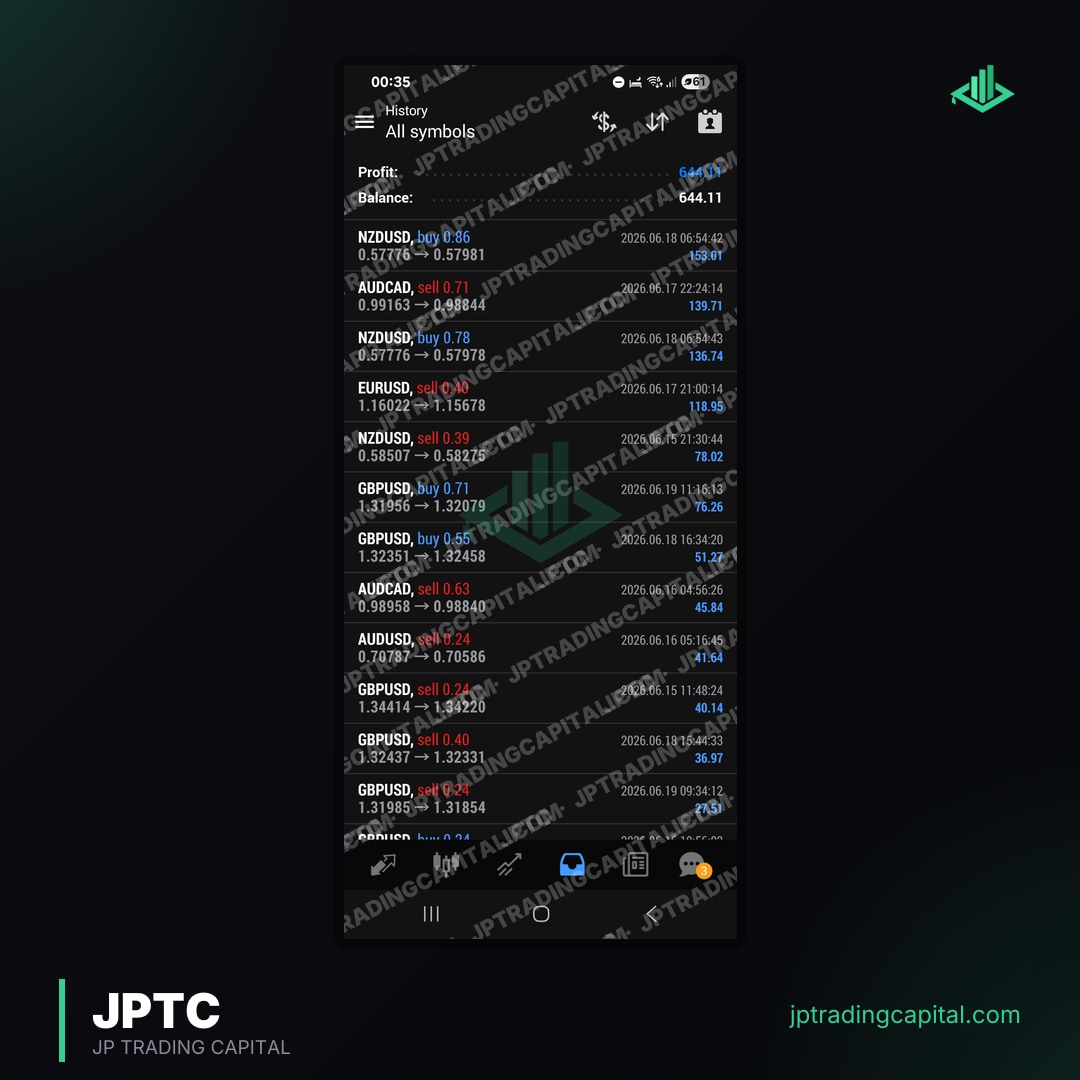

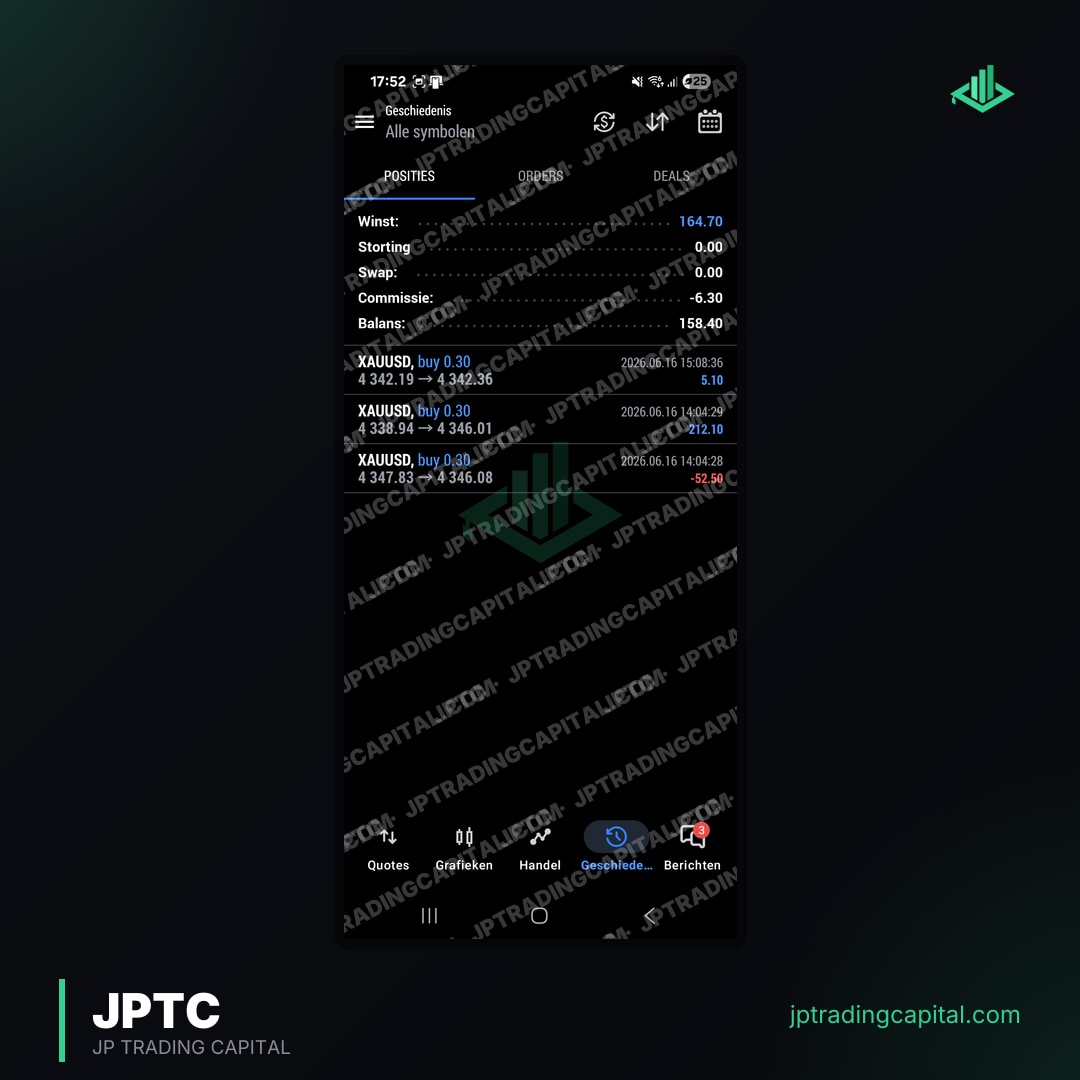
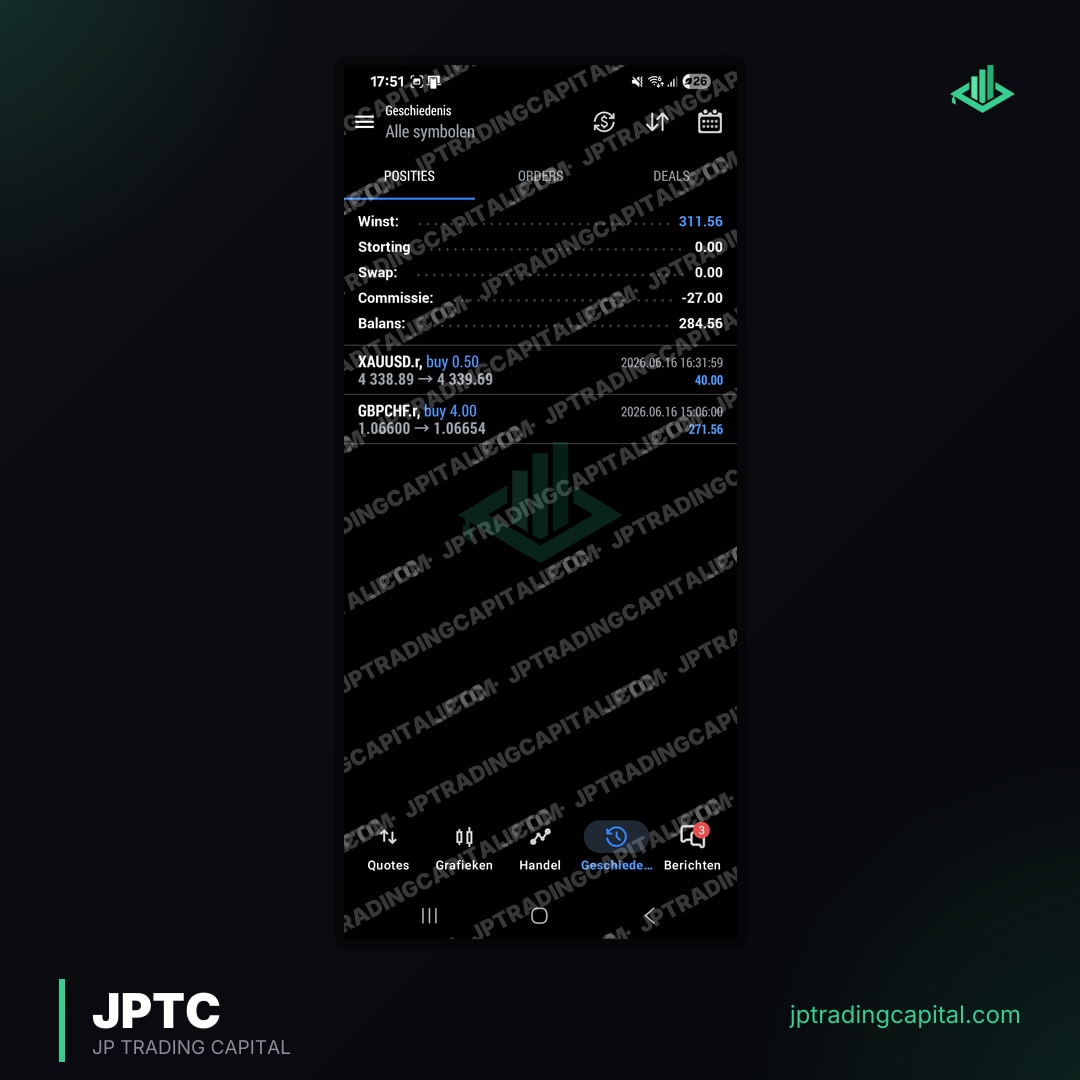

In the competitive world of proprietary trading, leveraging technology can provide a significant edge. Automated trading systems, commonly known as Expert Advisors (EAs) on platforms like MetaTrader 4 and MetaTrader 5, are increasingly popular among prop firm traders. These systems can execute trades based on pre-programmed rules, removing emotional biases and ensuring consistent strategy application.
How EAs Enhance Prop Firm Earnings
EAs contribute to maximizing prop firm earnings in several ways:
- Consistency: EAs execute trades precisely according to their algorithms, ensuring /ea unwavering adherence to the defined strategy. This consistency is highly valued by prop firms and is crucial for meeting payout criteria.
- Discipline: Emotions like fear and greed are major saboteurs of trading success. EAs operate without emotion, sticking to risk management parameters (daily drawdown, max loss, position sizing) even during volatile market conditions.
- Efficiency: Automated systems can monitor multiple markets and execute trades 24/5, capturing opportunities that a human trader might miss due to fatigue or time constraints.
- Rule Adherence: Prop firms have strict rules regarding daily drawdown, maximum loss, and consistency. EAs can be programmed to respect these limits automatically, significantly reducing the risk of failing an evaluation or breaching a funded account. The JPTC EA Hub, for instance, is specifically designed with backtested strategies that respect common prop-firm rules, helping traders navigate challenges on platforms like FTMO, FundedNext, and The5ers.
For an example of what a 2-year live algo track record looks like, demonstrating consistent performance and risk management, see JPTradingCapital's published results. Such verified track records are crucial for establishing credibility in automated trading.
Choosing and Optimizing EAs for Prop Firms
Not all EAs are suitable for prop firm trading. When selecting an EA, it's paramount to ensure it is:
- Compliant with Prop Firm Rules: Verify that the EA's strategy respects daily drawdown, maximum loss, and consistency rules. Some EAs might use high-frequency trading or martingale strategies that are often prohibited or lead to quick account breaches.
- Backtested and Forward-tested: Thorough backtesting on historical data and forward-testing on demo accounts are essential to prove an EA's profitability and robustness across different market conditions.
- Optimized for Specific Instruments: An EA performing well on EUR/USD might not be effective on Gold or indices without proper optimization.
The JPTradingCapital team focuses on building automated trading tools, like the JPTC EA Hub, that are pre-configured with strategies specifically designed to navigate prop firm challenges. These tools aim to give traders a robust framework for consistent performance and sustainable prop firm earnings.
Navigating Prop Firm Rules for Sustainable Profitability
Beyond the profit split, the true determinant of sustainable prop firm earnings lies in a trader's ability to consistently adhere to the firm's specific trading rules. These rules are not mere suggestions; they are strict guidelines designed to protect the firm's capital and identify truly disciplined traders.
Understanding Drawdown Limits
One of the most critical rules is the drawdown limit. Prop firms typically impose two types:
- Daily Drawdown: This is the maximum amount your account can lose from its starting balance for the day (or from the equity high of the day) before trading is halted or the account is breached. For example, a $100,000 account might have a 5% daily drawdown limit, meaning you cannot lose more than $5,000 in a single trading day.
- Maximum Overall Drawdown: This is the absolute maximum loss your account can incur from its initial balance or highest equity peak before the account is closed. This is often around 10% to 12% of the initial balance.
Breaching either of these limits usually results in failure of the evaluation or loss of the funded account. Effective risk management, including precise stop-loss placement and appropriate position sizing, is essential to stay within these parameters. Automated trading systems, like those offered by JPTradingCapital, can be programmed to strictly enforce these limits, providing an extra layer of protection.
Consistency Rules and Payout Eligibility
Many prop firms also implement "consistency rules" to prevent traders from getting lucky with one large trade and then failing to replicate that success. These rules vary but might include requirements such as:
- No single trade accounting for more than a certain percentage (e.g., 30-50%) of the total profit.
- Minimum number of trading days per week or month.
- Trading volume consistency.
These rules ensure that traders are employing a repeatable strategy rather than relying on high-risk, low-probability gambles. Adhering to these consistency guidelines is not just about passing the evaluation; it's about building a robust trading approach that leads to reliable prop firm payouts over the long term.
Impact of Prohibited Strategies
Some firms prohibit specific trading strategies, such as arbitrage, hedging multiple accounts, or certain high-frequency scalping methods. Using a prohibited strategy, even if profitable, can lead to the disqualification of your account and forfeiture of any prop firm earnings. Always review the terms and conditions thoroughly before starting an evaluation or trading a funded account. Our automated tools are developed with these restrictions in mind, ensuring compliance while still aiming for optimal performance.
Beyond the First Payout: Scaling Your Prop Firm Success
Achieving your first prop firm payout is a significant milestone, but true success lies in building sustainable, growing prop firm earnings over time. This requires a strategic approach to scaling and continuous improvement.
Strategies for Account Scaling
As mentioned, most prop firms offer scaling plans. To effectively utilize these, traders should:
- Maintain Consistent Profitability: Focus on steady, manageable gains rather than chasing aggressive targets.
- Strictly Adhere to Rules: Consistently respecting drawdown limits and consistency rules proves you are a responsible trader capable of managing larger capital.
- Diversify if Possible: Some advanced traders manage multiple accounts across different firms or with different strategies, spreading risk and potential for greater overall prop firm earnings. However, this requires careful management to avoid breaching any firm's rules regarding multiple accounts or hedging.
For traders looking to expand their reach, exploring affiliate programs with prop firms can also be a way to generate additional income by referring other aspiring traders, creating a complementary revenue stream alongside direct trading profits.
Continuous Learning and Adaptation
The markets are constantly evolving, and a strategy that works today might need adjustments tomorrow. Successful prop firm traders commit to continuous learning, regularly reviewing their performance, and adapting their strategies. This includes:
- Performance Review: Analyzing trade journals, win rates, loss rates, and profit factors to identify strengths and weaknesses.
- Market Research: Staying informed about economic news, geopolitical events, and technological advancements that can impact market dynamics.
- Strategy Refinement: Tweaking entry/exit criteria, risk parameters, or even exploring new trading instruments.
Automated trading systems can also be continuously optimized and updated based on new market data and performance analysis, ensuring they remain effective over the long term.
Common Pitfalls and How to Avoid Them
While the potential for significant prop firm earnings is real, many traders stumble. Understanding common pitfalls can help you navigate the journey more effectively.
Overtrading and Revenge Trading
One of the quickest ways to lose a prop firm account is through overtrading or engaging in revenge trading after a loss. These emotional responses lead to breaking risk management rules, larger position sizes, and ultimately, breaching drawdown limits. A disciplined approach, sticking to your trading plan, and knowing when to step away from the screen are crucial.
Ignoring or Misunderstanding Prop Firm Rules
Many traders focus solely on profit targets and overlook the detailed rules regarding daily drawdown, maximum overall drawdown, and consistency. A thorough understanding of a firm's specific rules is non-negotiable. Failing to comply, even inadvertently, will lead to account termination.
Lack of a Robust Trading Plan
Without a clear, well-defined trading plan that includes entry and exit criteria, risk management parameters, and psychological guidelines, traders are prone to impulsive decisions. A solid plan acts as your roadmap, guiding every trading decision and helping maintain the consistency required for prop firm earnings.
Unrealistic Expectations
While high figures are often advertised, it's vital to set realistic expectations. Prop firm trading is not a get-rich-quick scheme. It requires dedication, skill, and resilience. Focus on consistent, small gains and disciplined risk management rather than trying to hit home runs with every trade. The journey to substantial prop firm earnings is a marathon, not a sprint.
How much can a prop firm trader realistically earn?
What is the typical profit split for prop firm traders?
Do automated trading systems (EAs) help with prop firm earnings?
What are the biggest challenges to making consistent prop firm payouts?
Can I scale my earnings with a prop firm?
Related Articles
- Apex Trader Funding vs TopStep: Which Futures Prop Firm Is Best in 2026? · Read more →
- How to Choose the Right Prop Firm in 2026: Complete Selection Guide · Read more →
- Discord Trading Communities: Why Serious Traders Use Them · Read more →
- Can a Trading Bot Pass Gold EA Prop Firm Challenges? · Read more →
- Mastering MT4 EA Source Code: A Prop Firm Edge · Read more →
- MT4 vs MT5 for Prop Firm Trading: Which Platform to Choose? · Read more →
- Prop Firm EA Ltd: Automated Trading for Funding Success · Read more →
- Passing Prop Firm Challenges with MT5 EAs: A Comprehensive Guide · Read more →
The EA built for prop firm rules
Daily drawdown guard, hard max-loss stop, consistency-aware pacing and a news pause, on MT4 and MT5. One-time €797, no monthly fee. If you would rather not run the evaluation yourself, we run it for you.
See the EA Hub