7 Hidden Prop Firm Rules: What Reddit Misses [2026]
![7 Hidden Prop Firm Rules: What Reddit Misses [2026]](https://images.pexels.com/photos/5831259/pexels-photo-5831259.jpeg?auto=compress&cs=tinysrgb&dpr=2&h=650&w=940)
Prop firm rules, often discussed on Reddit, are designed to test a trader's discipline and risk management, covering areas like daily drawdown, max loss, consistency, and news trading. While some traders perceive these rules as overly restrictive, they fundamentally protect the prop firm's capital and identify genuinely skilled traders capable of sustainable performance.
- Hidden consistency rules often challenge diverse trading styles and profit distribution.
- Daily and maximum drawdown limits are universal risk controls to protect capital.
- News trading restrictions prevent high-impact event speculation during evaluations.
- Martingale strategies and certain high-frequency arbitrage are typically prohibited.
- Rules evolve to combat new forms of exploitation and ensure firm longevity and fairness.
The Core Prop Firm Rules Reddit Traders Discuss
Reddit discussions frequently highlight core prop firm rules like daily and maximum drawdown limits, consistency parameters, and restrictions on news trading as the primary hurdles for traders.
When traders engage in discussions about prop firm rules on Reddit, certain themes consistently emerge. These often revolve around the fundamental risk management parameters set by proprietary trading firms to protect their capital and assess a trader's discipline. Understanding these core rules is the first step toward successful evaluation and funded trading.
Daily Drawdown Limits
The daily drawdown limit is a critical rule that defines the maximum amount a trader's account equity can fall from the starting balance of the trading day. This limit typically resets each day. For example, a common rule might specify a 5% daily drawdown. If a trader starts the day with $100,000, their account equity cannot drop below $95,000 at any point. This rule is designed to prevent excessive losses within a single trading session and encourages careful risk management on a day-to-day basis.
Maximum Drawdown Limits
Distinct from the daily limit, the maximum drawdown represents the total allowable loss from the account's initial balance or its highest achieved equity. This limit is cumulative and typically applies throughout the entire evaluation or funded period. For instance, a 10% maximum drawdown on a $100,000 account means the equity can never fall below $90,000 overall. Firms like FTMO clearly outline these parameters, emphasizing the importance of long-term capital preservation.
Consistency Rules
Consistency rules are a frequent point of contention in prop firm discussions on Reddit. These rules aim to ensure that a trader's profits are generated through a consistent strategy rather than a few lucky trades. While specific definitions vary, they often involve:
- Minimum/Maximum Trading Days: Requiring a certain number of active trading days to demonstrate sustained performance.
- Profit Distribution: Preventing a single trade or a small number of trades from contributing an overwhelmingly large percentage of the total profit target. For example, a rule might state that no single day's profit can account for more than 30% of the total profit target.
- Lot Size Consistency: Discouraging wildly fluctuating lot sizes that might suggest gambling rather than a structured approach.
The JPTradingCapital Team understands these challenges intimately. Our EA Hub is designed to help traders maintain consistency by automating strategies that adhere to these often-vague requirements. Learn more about our solutions on our EA Hub page.
News Trading Restrictions
Many prop firms impose restrictions on trading around major economic news releases. This is because high-impact news events can cause extreme volatility and unpredictable price swings, leading to significant and rapid losses that are difficult to manage. Some firms prohibit opening or closing trades a set number of minutes before and after a major news announcement, while others may simply disallow profiting from such events. This rule is primarily a risk mitigation strategy for the firm.
Prohibited Trading Practices
Beyond the primary risk parameters, firms explicitly ban certain trading practices. These commonly include:
- Martingale Strategies: Doubling down on losing trades, a high-risk approach that can lead to rapid account depletion. Investopedia defines Martingale as a system for betting where the stakes are doubled after each loss.
- Arbitrage Strategies: Exploiting tiny price discrepancies between brokers or platforms, which is often considered unfair or impossible to replicate on a live institutional feed.
- High-Frequency Trading (HFT) / Tick Scalping: Extremely short-term trading designed to exploit latency, which is not indicative of genuine trading skill.
- Reverse Trading / Copy Trading: Using multiple accounts to trade against oneself or copy signals without explicit permission.
Beyond the Obvious: Hidden Rules and Evolving Standards
Beyond explicit guidelines, many prop firms employ subtle or evolving rules, often interpreted as 'hidden' by traders on Reddit, which can impact evaluation success.
The sentiment on Reddit that "prop firms have way too many hidden rules these days" is a common one. While firms strive for transparency, some rules might not be immediately obvious or can be subject to interpretation. Our research indicates that these 'hidden' rules are often a response to traders attempting to exploit loopholes, leading firms to refine their terms of service.
The Nuance of IP Address and Account Linking
One less-discussed rule concerns IP addresses and account linking. Prop firms often monitor the IP addresses from which traders access their platforms. While not strictly 'hidden,' the implications can be. If multiple accounts (even belonging to different individuals) are consistently accessed from the same IP address, firms might flag this as potential illicit activity, such as group trading or using multiple accounts to circumvent rules. Traders using VPNs or shared internet connections should be aware of this potential issue.
Minimum Holding Time for Trades
Some firms subtly enforce a minimum holding time for trades. While not always explicitly stated as a rule, consistently opening and closing trades within a few seconds or milliseconds can be flagged as a form of prohibited high-frequency scalping. This is particularly relevant for EA users, as automated systems can execute trades extremely quickly. The JPTradingCapital EA Hub is configured with backtested strategies that respect typical minimum holding periods to avoid such flags, ensuring our users can focus on their strategy without worrying about these specific passing requirements.
Specific Lot Size Progression Rules
While general consistency rules cover lot sizes, some firms have more specific, unstated expectations regarding how lot sizes should scale with account growth or trade frequency. Abruptly increasing lot sizes dramatically after a few profitable trades, without a clear proportional increase in account equity or a demonstrable strategy, can sometimes lead to scrutiny. This ties back to the broader consistency objective, aiming to prevent 'gambling' big to pass.
The Unwritten 'Real Market Conditions' Clause
Many firms operate with an implicit understanding that traders should be simulating 'real market conditions.' This can encompass a range of behaviors:
- Trading During Illiquid Hours: Consistently trading during extremely low-volume periods (e.g., late Friday nights or early Monday mornings) might be seen as exploiting wider spreads or specific broker conditions rather than demonstrating robust trading skill.
- Micro-Scalping Specific Pairs: Focusing exclusively on micro-scalping very low-spread pairs on specific brokers might be deemed as an attempt to game the evaluation system rather than genuinely trade.
These evolving standards highlight the need for traders to not only read the explicit rules but also understand the spirit in which they are enforced. Our team monitors these industry trends closely to keep our tools aligned with the latest prop firm expectations.
Why Prop Firms Have These Rules: A Firm's Perspective
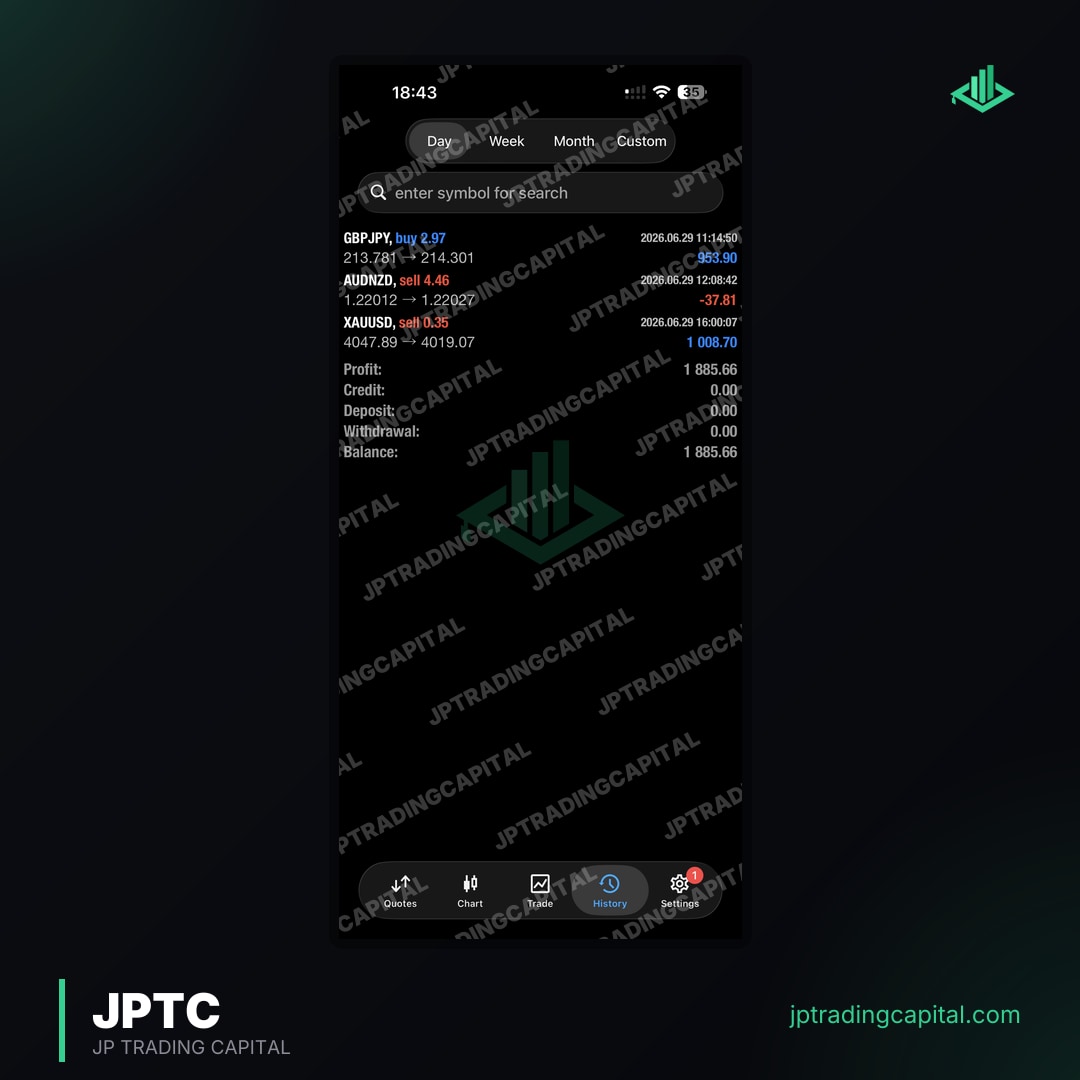
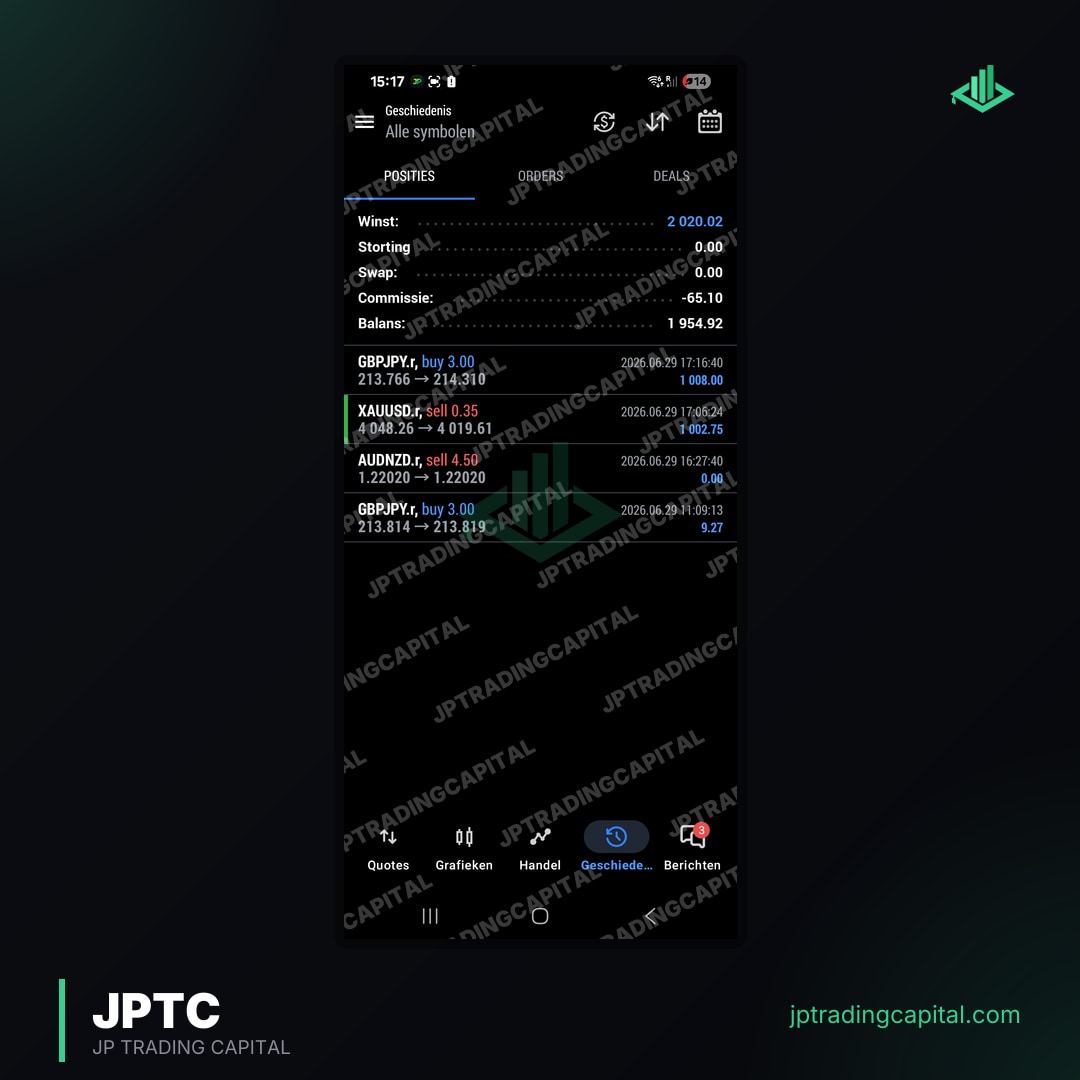
Prop firms implement stringent rules primarily to manage their significant capital risk, identify genuinely skilled traders, and ensure the long-term sustainability of their business model.
The Reddit discussions often touch upon the sentiment that "rules are made so you fail." While it's understandable for traders to feel this way when facing repeated challenges, the reality from a prop firm's perspective is far more nuanced. Prop firms are businesses, and their primary goal is to identify traders who can consistently generate profits while effectively managing risk. They are not simply looking for traders who can get lucky; they are looking for professional, disciplined capital allocators.
Capital Preservation and Risk Management
The most fundamental reason for prop firm rules is capital preservation. Firms are entrusting traders with significant amounts of capital, sometimes hundreds of thousands of dollars. Without strict rules, this capital would be exposed to undue risk. Daily and maximum drawdown limits, for example, are direct mechanisms to prevent catastrophic losses and ensure that a single trader cannot severely impact the firm's overall solvency.
Identifying Skill vs. Luck
Prop firm evaluations are designed to filter out lucky traders from genuinely skilled ones. Consistency rules are particularly vital here. A trader might hit a profit target with one or two large, high-risk trades. Without consistency rules, such a trader might pass an evaluation but then quickly blow a funded account. By requiring consistent performance over a minimum number of trading days and ensuring profits are distributed, firms aim to identify traders whose success is attributable to a repeatable, robust strategy.
Ensuring Sustainable Business Operations
Prop firms operate on a business model where they provide capital in exchange for a share of the profits. To make this sustainable, they need a pool of consistently profitable traders. Rules against prohibited practices like arbitrage or Martingale strategies are not arbitrary; they prevent strategies that exploit system vulnerabilities or are inherently unsustainable in real market conditions. Such practices, if left unchecked, would undermine the firm's ability to operate profitably and fairly for all traders.
Compliance and Industry Standards
While not regulated as traditional financial institutions (as noted in Reddit discussions), prop firms still operate within a broader financial ecosystem. They need to maintain relationships with brokers and liquidity providers, which often comes with certain expectations regarding trading practices and risk exposure. Their rules often reflect industry best practices for risk management and fair trading, even if not mandated by a specific regulator.
Navigating Prop Firm Rules with Precision: Strategies for Success
Successfully navigating prop firm rules requires a disciplined approach, robust risk management, and often, the strategic use of tools that enforce compliance automatically.
Passing a prop firm evaluation is less about finding a secret strategy and more about meticulous planning and execution within the firm's parameters. Our team at JPTradingCapital has observed key strategies that consistently help traders succeed.
Thoroughly Understand Each Firm's Specific Rules
Do not assume that rules are identical across all prop firms. While many share common themes (drawdown, profit targets), the specifics can vary significantly. For example, FundedNext might have slightly different consistency parameters or news trading policies than FXIFY. Before starting any challenge, meticulously read the terms and conditions. Pay close attention to definitions of daily drawdown (e.g., based on initial balance vs. highest equity), consistency requirements, and prohibited practices. This due diligence can save you from unexpected rule breaches.
Develop a Robust Risk Management Plan
A solid risk management plan is non-negotiable. This involves:
- Position Sizing: Never risk more than a small percentage of your allowed drawdown on any single trade (e.g., 0.5% to 1% of the initial account balance).
- Stop-Loss Orders: Always use stop-loss orders to define your maximum loss per trade.
- Daily Loss Limit: Implement your own stricter daily loss limit, even if the prop firm's is higher, to protect your capital and psychological well-being.
Prioritize Consistency Over Aggressive Profit-Taking
Many traders fail challenges by trying to hit profit targets too quickly or aggressively. Prop firms value consistent, disciplined trading over sporadic large wins. Focus on small, repeatable gains. This approach naturally aligns with consistency rules and builds a strong trading habit. Remember the "prop firm rules reddit" discussions often highlight how difficult consistency can be, but it's key to long-term success.
Leverage Automated Trading Tools (EAs)
For many traders, especially those using algorithmic strategies, Expert Advisors (EAs) can be an invaluable asset in ensuring compliance. The JPTradingCapital EA Hub is specifically designed to navigate prop firm rules automatically. Our EAs are pre-configured with strategies that respect:
- Daily drawdown caps
- Maximum loss limits
- Consistency parameters (e.g., avoiding excessively large single trades relative to overall profit)
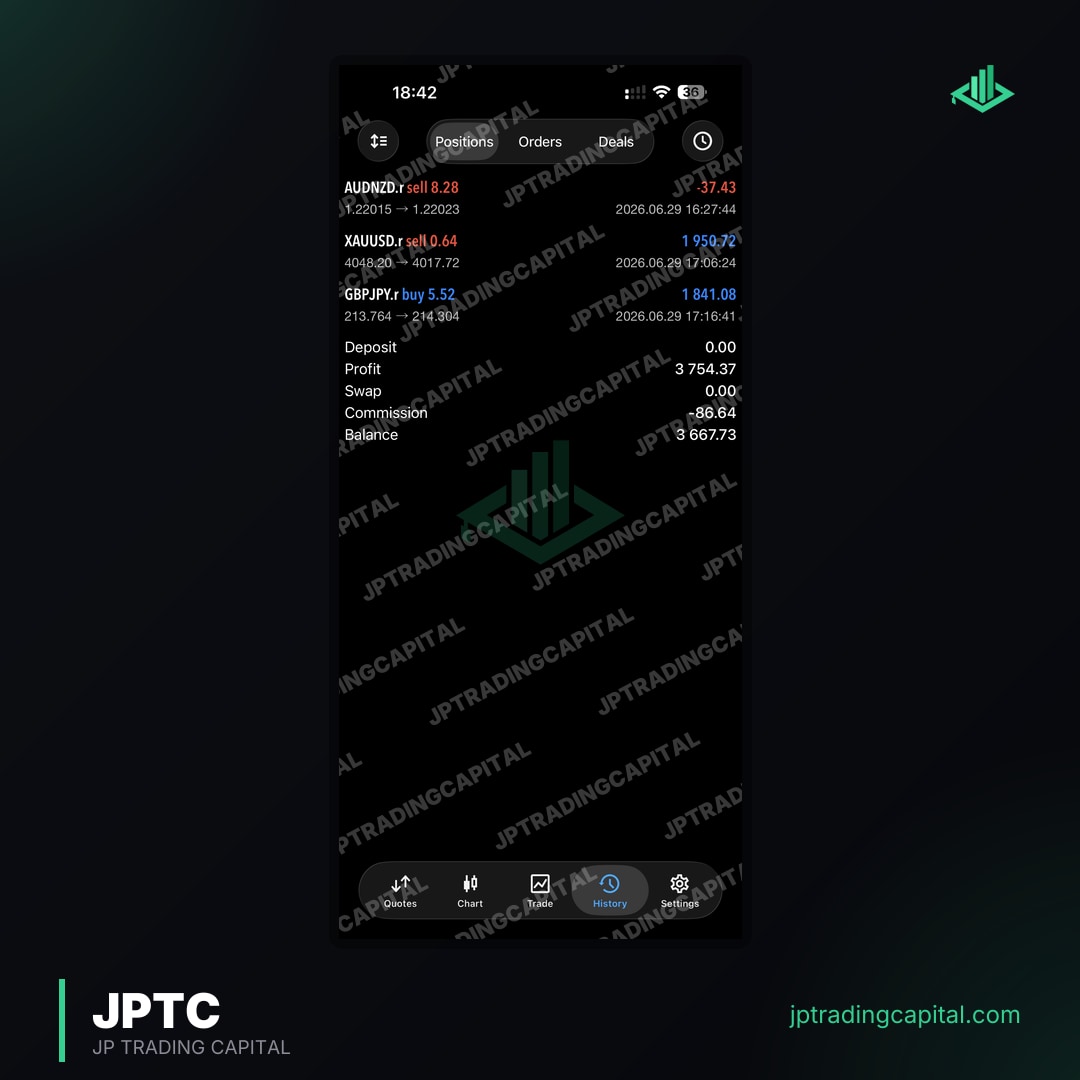
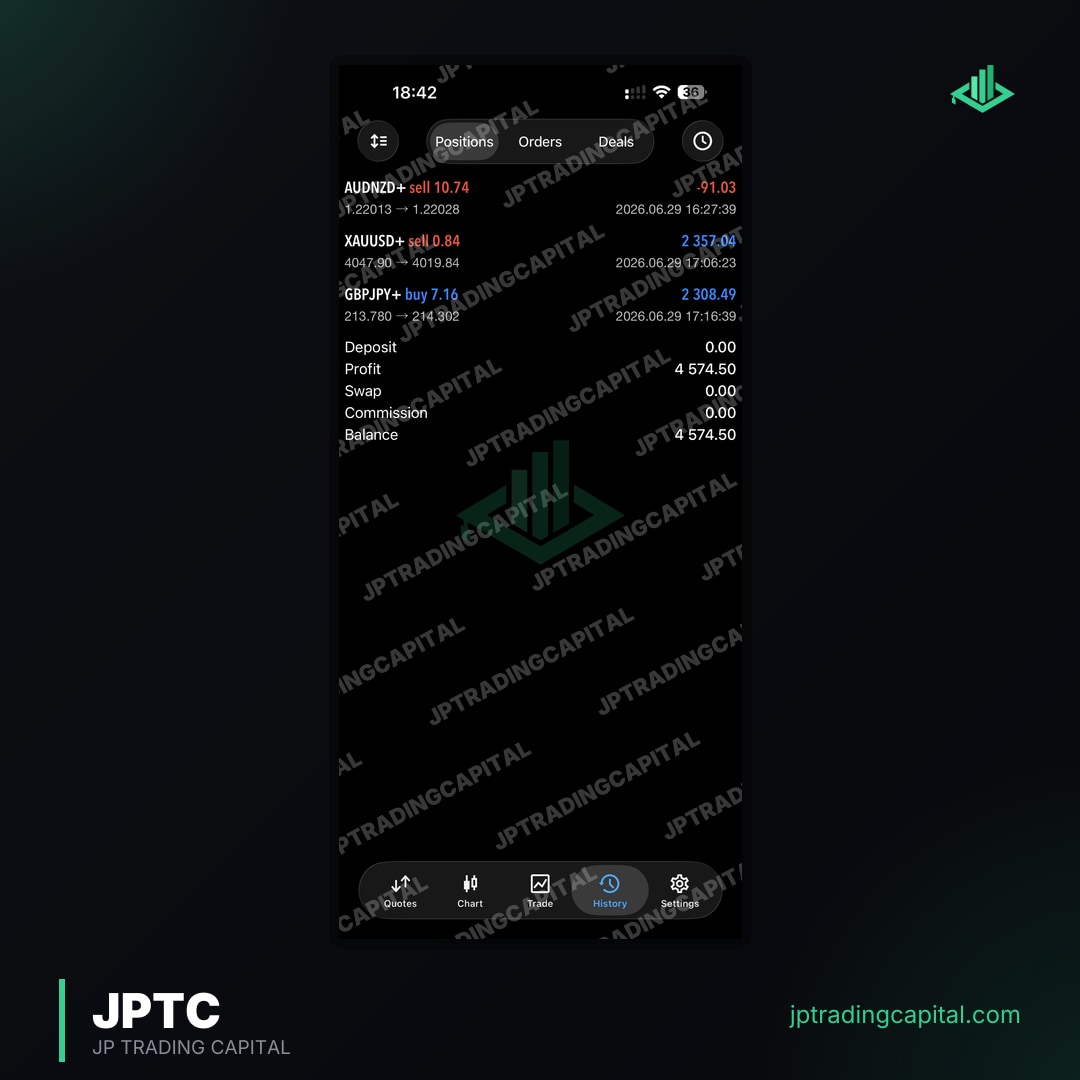
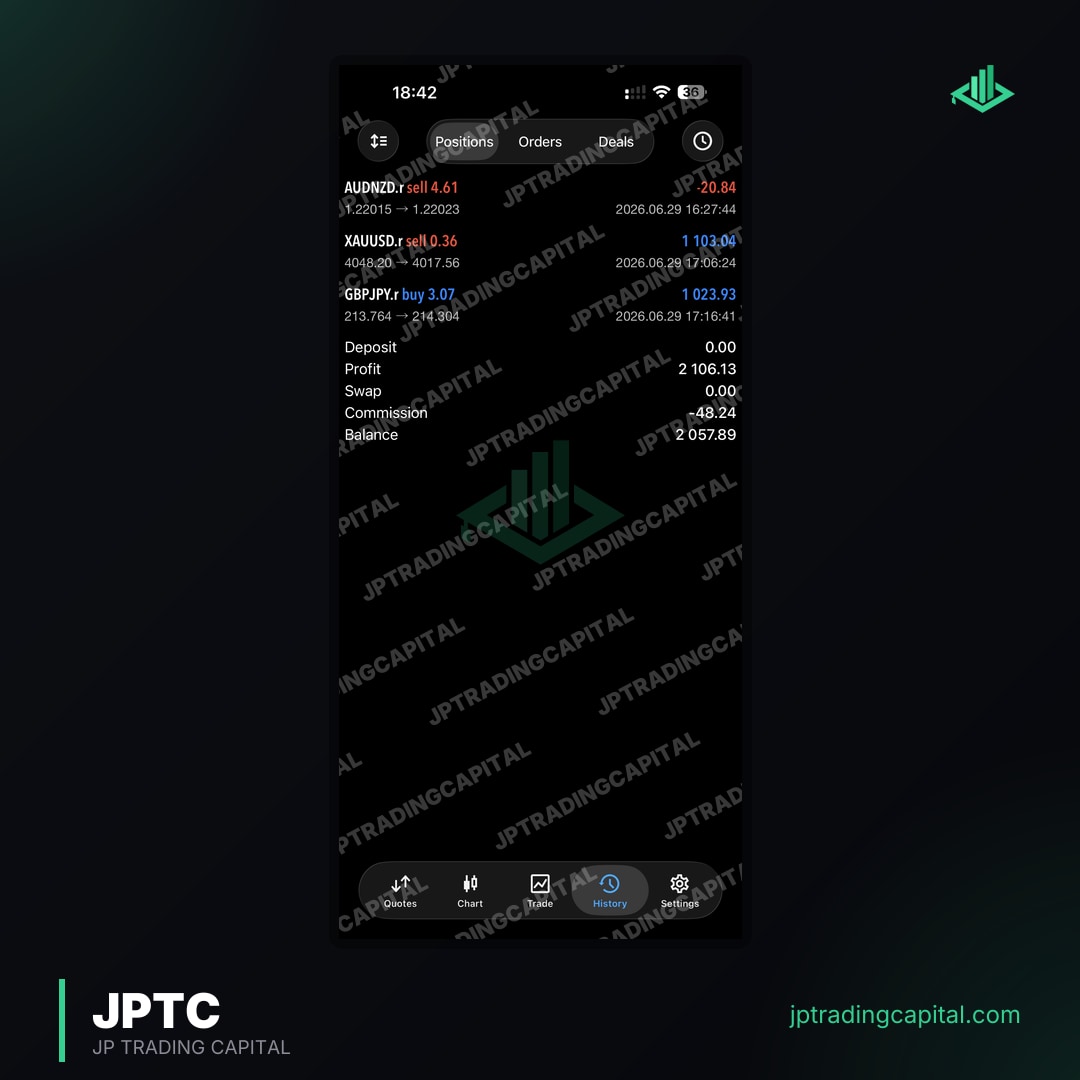
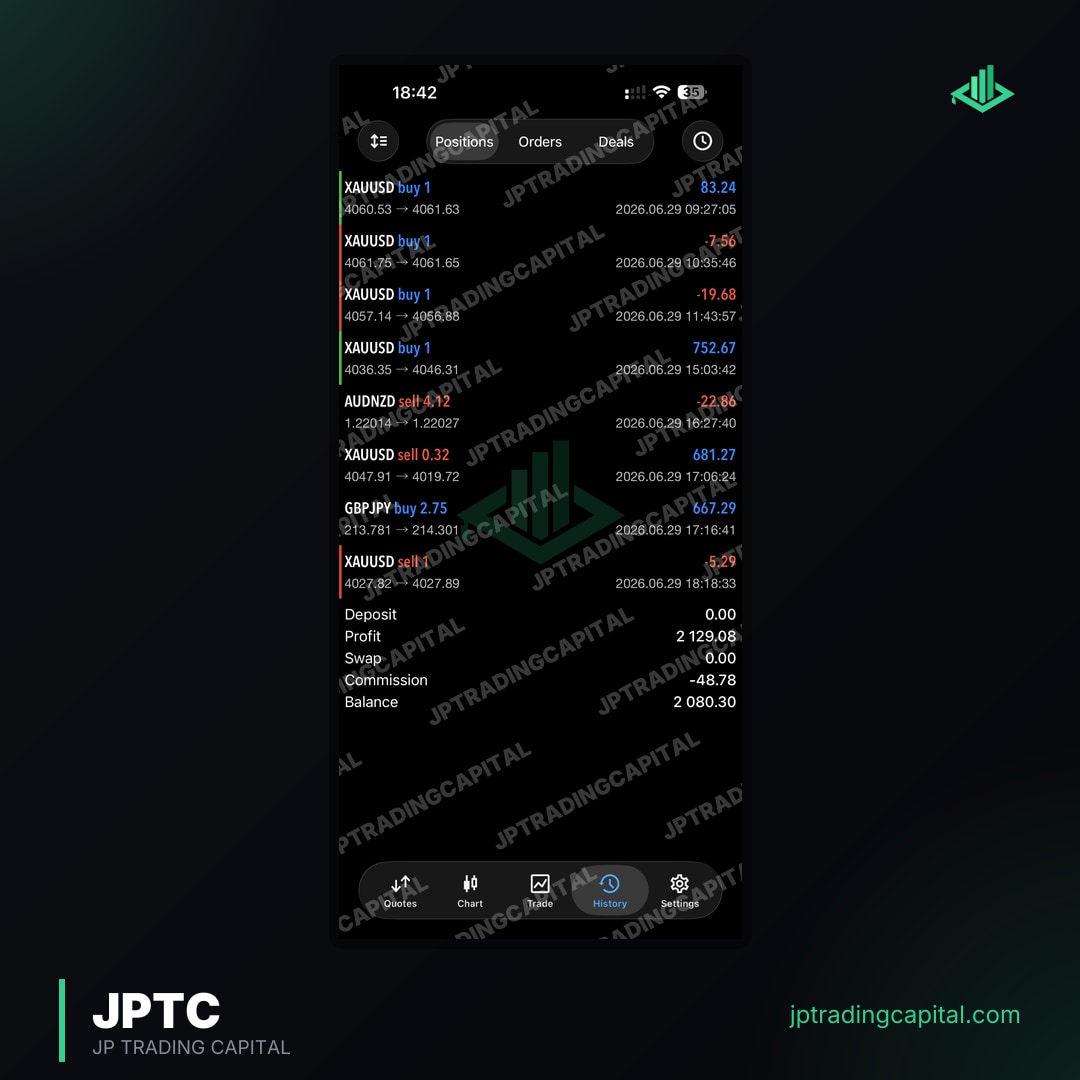
By automating these compliance aspects, traders can focus on strategy development and market analysis, knowing that the EA is actively preventing rule breaches. This significantly increases the probability of passing evaluations. For an example of what a 2-year live algo track record looks like, see JPTradingCapital's published results, demonstrating consistent performance within strict parameters.
Leveraging Automated Tools for Prop Firm Compliance
Automated trading systems, or Expert Advisors (EAs), can be invaluable for maintaining strict adherence to prop firm rules, especially concerning parameters like drawdown and consistency.
The complexity of prop firm rules, especially the 'hidden' or nuanced ones, makes manual compliance a constant challenge. This is where automated trading solutions shine. EAs, running on platforms like MetaTrader 4 or MetaTrader 5, can be programmed to enforce rules with precision and without emotional bias, a common pitfall for human traders.
How EAs Ensure Drawdown Compliance
One of the most significant advantages of using an EA for prop firm challenges is its ability to strictly adhere to drawdown limits. An EA can be programmed to:
- Monitor Real-Time Equity: Constantly track the account's equity level against the daily and maximum drawdown thresholds.
- Automatic Stop-Loss Adjustments: Dynamically adjust stop-loss orders or even close all open positions if the account approaches a critical drawdown level.
- Prevent New Trades: Halt new trade entries once a daily loss limit is hit, preventing further risk exposure.
This automated vigilance provides a crucial layer of protection, ensuring that a momentary lapse in judgment or an unexpected market move doesn't lead to an evaluation failure.
Maintaining Consistency with Algorithmic Strategies
Consistency rules are often the trickiest for traders, as they require a sustained pattern of behavior. EAs can be configured to promote consistency by:
- Standardized Position Sizing: Calculating appropriate lot sizes based on predefined risk parameters, rather than emotional decisions.
- Controlled Trade Frequency: Ensuring trades are opened and closed according to a systematic approach, avoiding excessive or insufficient trading activity.
- Profit Distribution Management: Designing strategies that aim for steady, incremental gains rather than relying on a few 'home run' trades.
The JPTradingCapital EA Hub, for instance, is built with backtested strategies that inherently respect these consistency rules. Our EAs are pre-configured to work seamlessly across leading prop firms like FTMO, FundedNext, FXify, TopStep, The5ers, and E8 Funding, helping traders achieve positive trading results while staying compliant.
Navigating News and Prohibited Practices Automatically
While an EA cannot predict the news, it can be programmed to react to it or avoid it. Some advanced EAs can integrate with economic calendars to:
- Pause Trading: Automatically cease trading activity during high-impact news events.
- Close Open Positions: Close positions before critical news releases to avoid unexpected volatility.
Furthermore, EAs are designed to avoid prohibited practices like Martingale or certain arbitrage techniques by their very strategic design. This eliminates the temptation or accidental use of such methods, which are often discussed negatively in "prop firm rules reddit" threads.
By leveraging the power of automated trading, traders can transform the daunting task of navigating prop firm rules into a systematic and manageable process, significantly increasing their chances of passing evaluations and securing funded accounts.
What are the most common prop firm rules discussed on Reddit?
Why do prop firms have so many rules?
Are prop firm rules designed to make traders fail?
How can automated trading tools help with prop firm rules?
What are some 'hidden' prop firm rules to be aware of?
Related Articles
- Apex Trader Funding vs TopStep: Which Futures Prop Firm Is Best in 2026? · Read more →
- How to Choose the Right Prop Firm in 2026: Complete Selection Guide · Read more →
- Best Prop Firm EA MT4 in 2026: 7 Keys to Pass Challenges · Read more →
- Discord Trading Communities: Why Serious Traders Use Them · Read more →
- Can a Trading Bot Pass Gold EA Prop Firm Challenges? · Read more →
- Best MT4 Expert Advisor for Prop Firms: 7 Key Strategies (2026) · Read more →
- MT4 vs MT5 for Prop Firm Trading: Which Platform to Choose? · Read more →
- Best MT5 Expert Advisor in 2026: Pass Prop Firms Fast · Read more →
The EA built for prop firm rules
Daily drawdown guard, hard max-loss stop, consistency-aware pacing and a news pause, on MT4 and MT5. One-time €797, no monthly fee. If you would rather not run the evaluation yourself, we run it for you.
See the EA Hub