Algo Trading Hosting: VPS Setup or Managed Execution
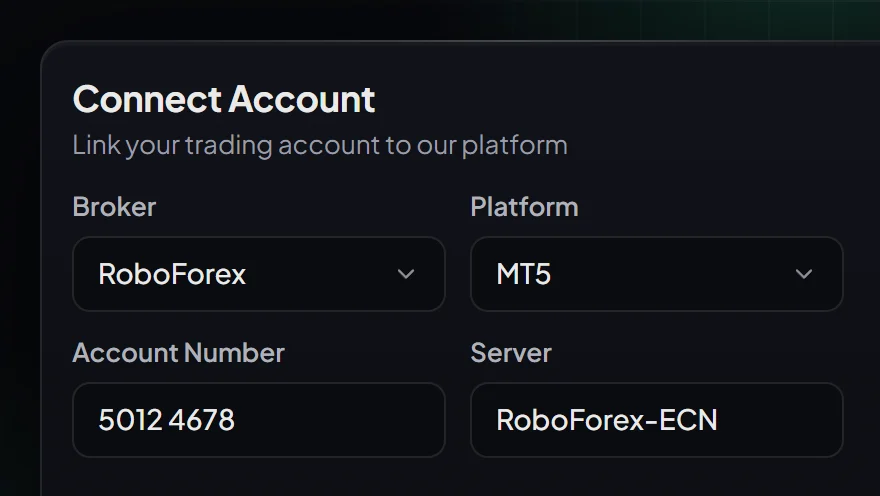
Algo trading hosting provides the 24-hour server environment required to execute automated strategies continuously without leaving a personal computer powered on. Traders evaluating hosting solutions face a fundamental choice between two models: provisioning a virtual private server (VPS) to host client-side desktop terminals such as MetaTrader 4 or MetaTrader 5, or connecting their broker account to a provider-hosted algorithmic infrastructure that requires no local software. The right selection depends on whether you trade personal capital on a private broker account or manage evaluations across proprietary trading firms.
Two Architectural Approaches to Algo Trading Hosting
Automated execution relies on continuous uptime, sub-millisecond connectivity to broker liquidity, and rigid trade-management logic. How those requirements are met depends on where the execution engine resides.
1. Client-Side Terminal Hosting (Self-Managed VPS)
In client-side hosting, the trader rents a virtual machine running a server operating system (typically Windows Server) from a hosting provider. The trader connects via Remote Desktop Protocol (RDP), installs the broker's desktop platform, loads their algorithmic software and parameter setfiles, and keeps the terminal active around the clock. This setup is common for running commercial expert advisors, including our JPTC EA Hub, where the user operates the software on their own terminal. A reliable PC or a commercial VPS provides the operational environment. Under this model, the trader remains responsible for operating system patches, platform updates, resource monitoring, and reboot management.
2. Server-Side Direct Execution (Provider-Hosted Algorithm)
In server-side hosting, the algorithm executes entirely within enterprise cloud infrastructure managed directly by the provider. The system transmits orders to the trader's personal broker account via secure API connections or direct liquidity bridges. The trader installs no client terminals, configures no virtual machines, and maintains no server software. This hosted architecture is how our Live Algo operates on a client's own broker account. It eliminates hardware vulnerability on the client side, though it is engineered specifically for personal broker accounts rather than prop-firm challenge evaluations.
Technical Criteria for Selecting Algo Trading Hosting
Choosing a hosting solution requires evaluating technical specifications that directly impact trade execution and rule compliance.
Latency and Broker Proximity
In automated trading, latency represents the round-trip delay between an algorithm issuing an order and the broker liquidity pool confirming the fill. Physical distance between the hosting server and the broker's execution bridge drives latency. Professional setups position trading servers within primary financial data centres, such as Equinix LD4 in London for European forex liquidity or Equinix NY4 in New York for US instruments. A low ping of 1 to 5 milliseconds minimises slippage during high-impact economic releases or volatile market movements in gold (XAUUSD).
System Resources and Terminal Overhead
Desktop trading platforms require dedicated processor cycles and physical memory. While a single terminal might consume 250 MB of RAM at idle, active charting, historical tick buffering, and complex indicator calculations can push memory consumption beyond 800 MB per terminal. When selecting a VPS, allocating at least 2 GB to 4 GB of RAM and two dedicated CPU cores prevents terminal freezing and execution delays.
Server Uptime Commitments and Redundancy
Commodity web hosting is unsuitable for automated trading. Standard web servers frequently reboot for kernel updates and share resources across noisy neighbours. Algo trading hosting requires enterprise-grade service level agreements with high-availability power feeds and automated network failover. Operating system updates must be configured strictly for manual execution over the weekend when markets are closed.
Self-Managed VPS vs Direct Hosted Algo: Operational Breakdown
Comparing client-managed virtual servers against provider-hosted infrastructure clarifies the operational commitments involved with each approach.
| Feature | Self-Managed VPS | Direct Hosted Algo |
|---|---|---|
| Deployment | Trader installs terminal and setfiles | Provider links directly to broker account |
| Hardware and VPS | Trader provisions and pays for VPS | No VPS needed; fully managed by provider |
| Maintenance Responsibility | Manual OS updates and terminal reboots | Zero maintenance required from trader |
| Target Account Type | Prop-firm challenges or personal broker accounts | Customer's own broker account only |
| Software Installation | Requires terminal setup and setfile configuration | Nothing to install on local machines |
| Primary Failure Risks | OS reboots, memory leaks, connection drops | Broker API disconnects, market slippage |
Prop-Firm Evaluation Rules Regarding Hosting and Bots
Traders utilising algo trading hosting for evaluation accounts must understand that rules vary sharply across firms. A hosting setup that complies with one firm may cause immediate disqualification at another.
Proprietary evaluation firms enforce strict trading parameters. For instance, according to the official FTMO trading objectives, FTMO permits expert advisors on simulated accounts across its programmes, enforcing a 5% daily loss limit and a 10% static maximum loss limit on 2-Step accounts, alongside an 80% to 90% profit split. On its 1-Step model, the loss limit shifts to 3% daily and a 10% end-of-day trailing maximum loss. Traders running expert advisors on a VPS during these challenges must ensure their risk parameters respect these exact thresholds, because automation repeats implemented instructions and cannot prevent slippage during market gaps.
In futures evaluations, hosting regulations are even more restrictive. At Topstep, the proprietary TopstepX platform is the only available environment. Topstep permits trading bots solely via the paid TopstepX API, with orders required to originate directly from the trader's own device, explicitly prohibiting VPS usage as detailed in the Topstep help center. Topstep does not offer MetaTrader compatibility. Other firms, such as Apex Trader Funding, ban automated trading entirely across all account tiers, while The5ers bans third-party automation.
For traders taking on MT4 or MT5 evaluations who want professional support navigating these parameters, our prop-firm challenge passing service manages the evaluation process until completed. The challenge account remains in your name, and firm-terms compliance risk sits with the trader. Results are not guaranteed, and no one can promise a challenge pass.
Common Pitfalls in Automated Trading Hosting
Technical misconfigurations on self-hosted servers frequently lead to account breaches before trading strategy flaws even emerge. The following operational errors account for a significant share of automated execution failures:
- Unscheduled Operating System Restarts: Default server configurations often download updates automatically and reboot mid-week. If an open position relies on client-side trailing stops, an unexpected restart leaves trades unprotected during adverse price swings.
- Virtualisation Oversubscription: Low-cost budget VPS providers routinely oversell physical CPU cores and RAM. When market volatility surges, resource contention causes server CPU spikes, introducing hundreds of milliseconds of execution latency.
- Terminal Memory Leaks: Continuous charting and historical data logging gradually consume system memory. Without scheduled weekend terminal restarts, desktop platforms can freeze silently, failing to trigger stop-loss orders.
- Broker Terminal Disconnects: A VPS network interface can drop connectivity momentarily. If an algorithm does not feature automated reconnect scripts or broker-side bracket orders, it fails to process trade exits.
Choosing the Right Hosting Strategy for Your Goals
Your trading structure determines which hosting framework aligns with your capital:
If you trade prop-firm challenges on MT4 or MT5 and require granular control over parameter files, running client-side software on a dedicated VPS or a reliable PC is the practical choice. Our JPTC EA Hub provides a single-purchase licence that you run directly on your own terminal, featuring risk-management presets engineered around proprietary firm evaluation constraints.
If you trade capital in your own name on a personal broker account, maintaining a private VPS and configuring terminals daily introduces unnecessary technical overhead. For traders with personal capital looking for a hands-off institutional setup without managing virtual servers, see the hosted Live Algo.
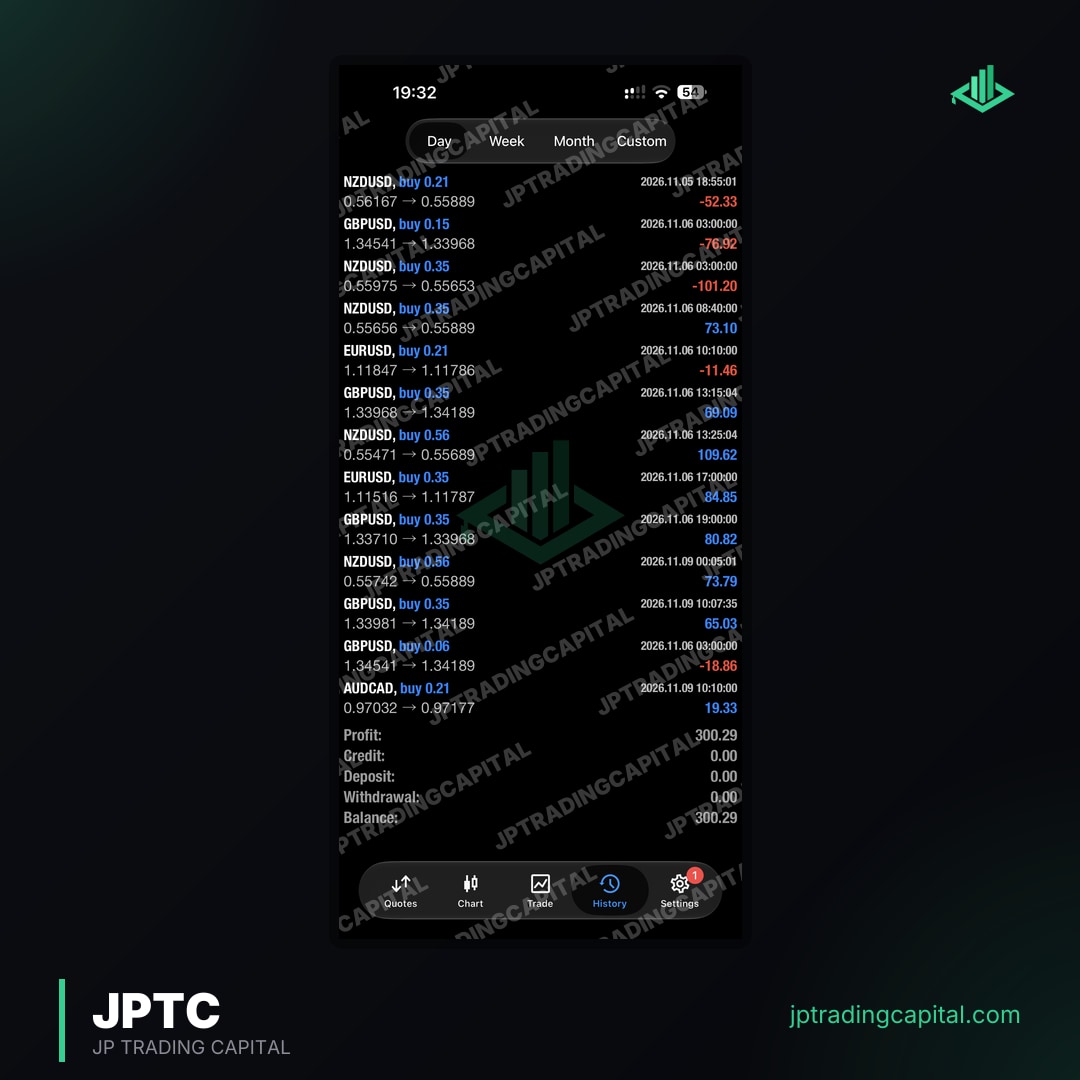
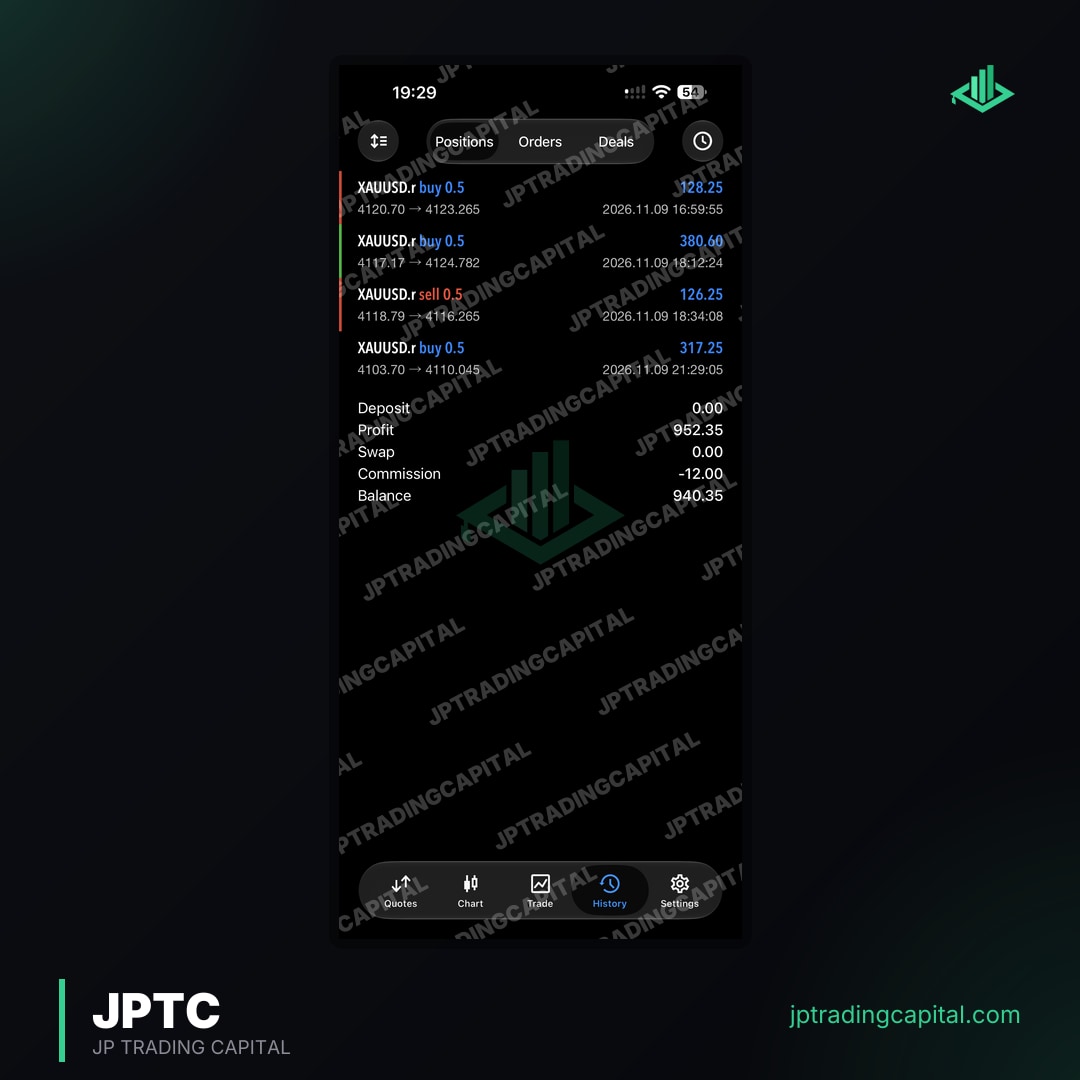
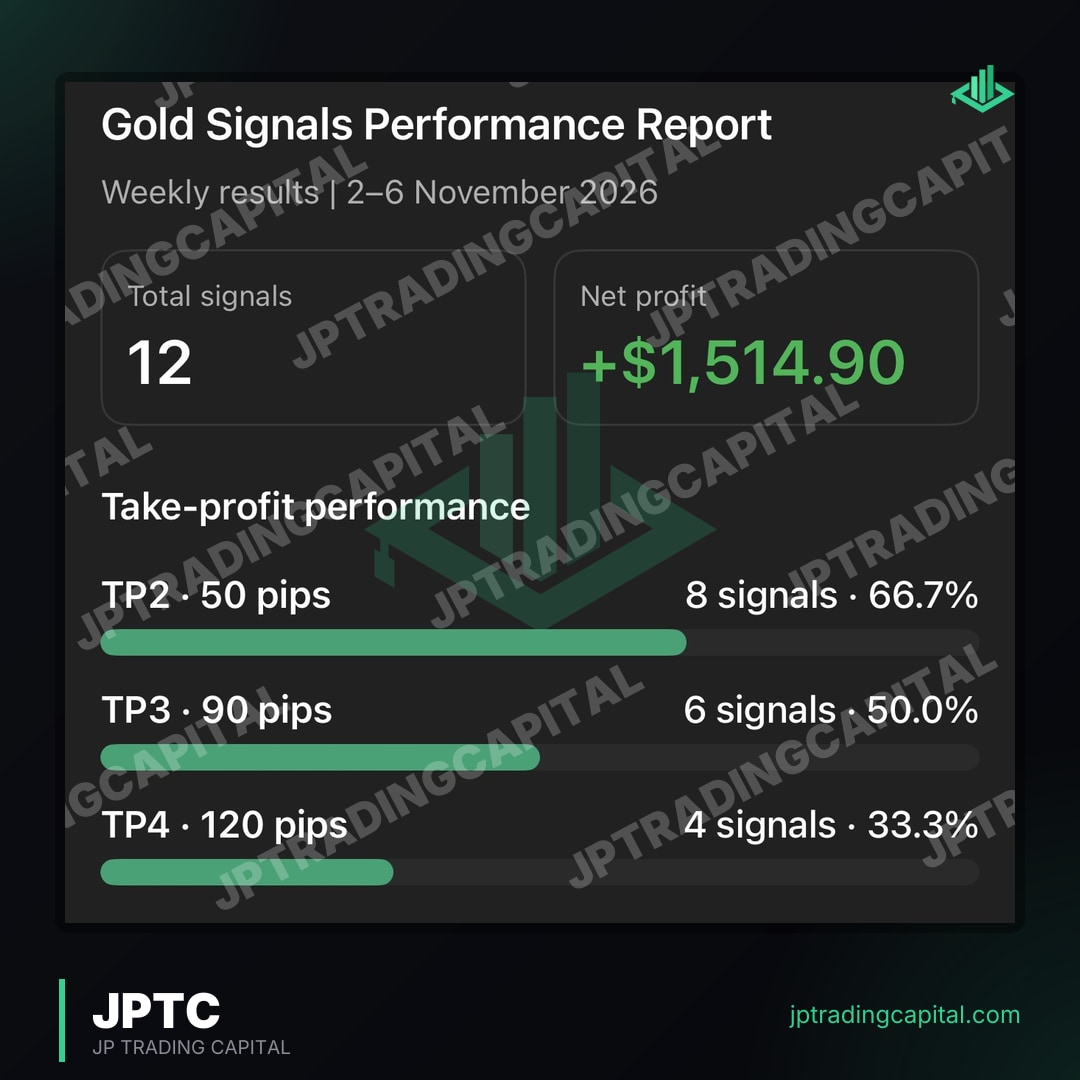
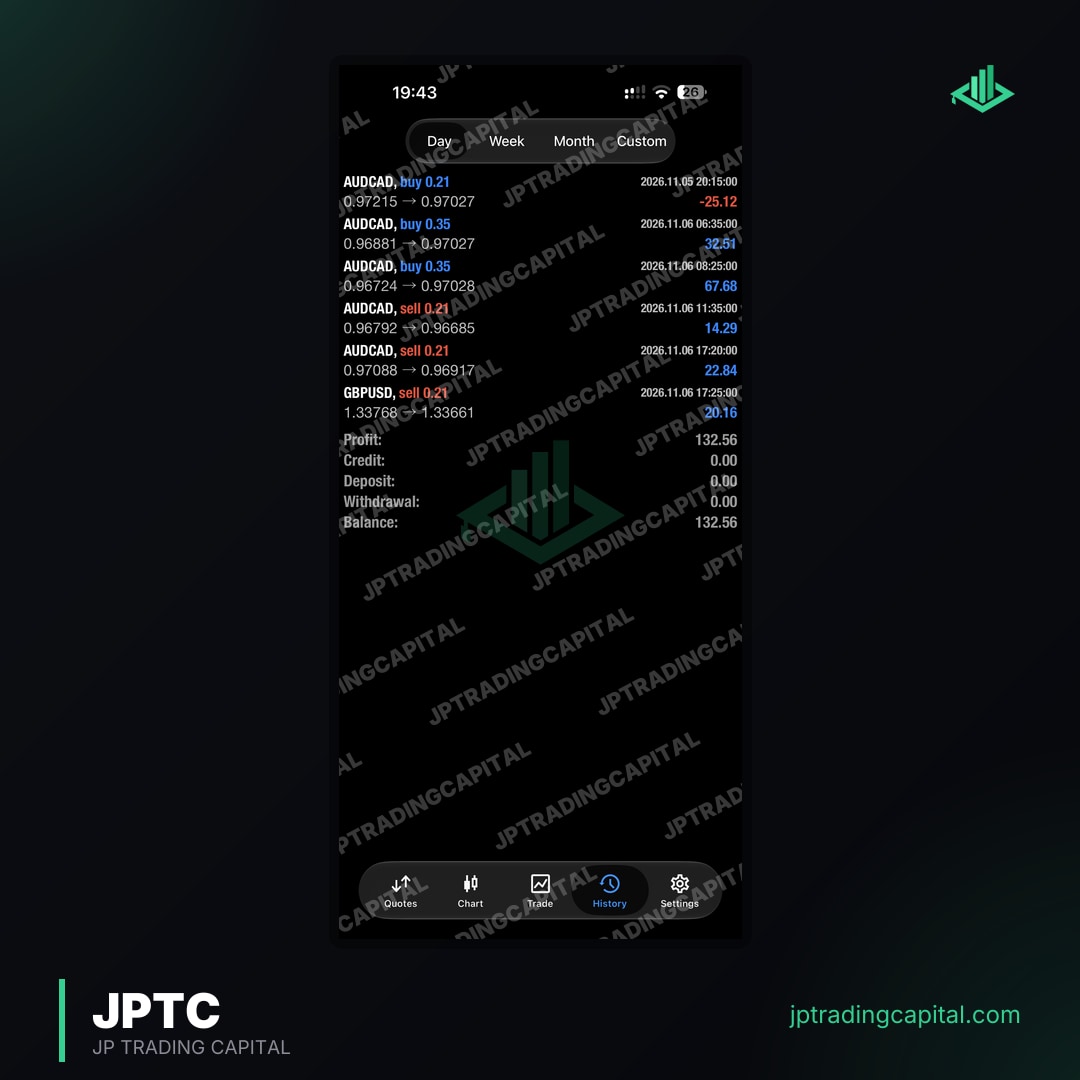
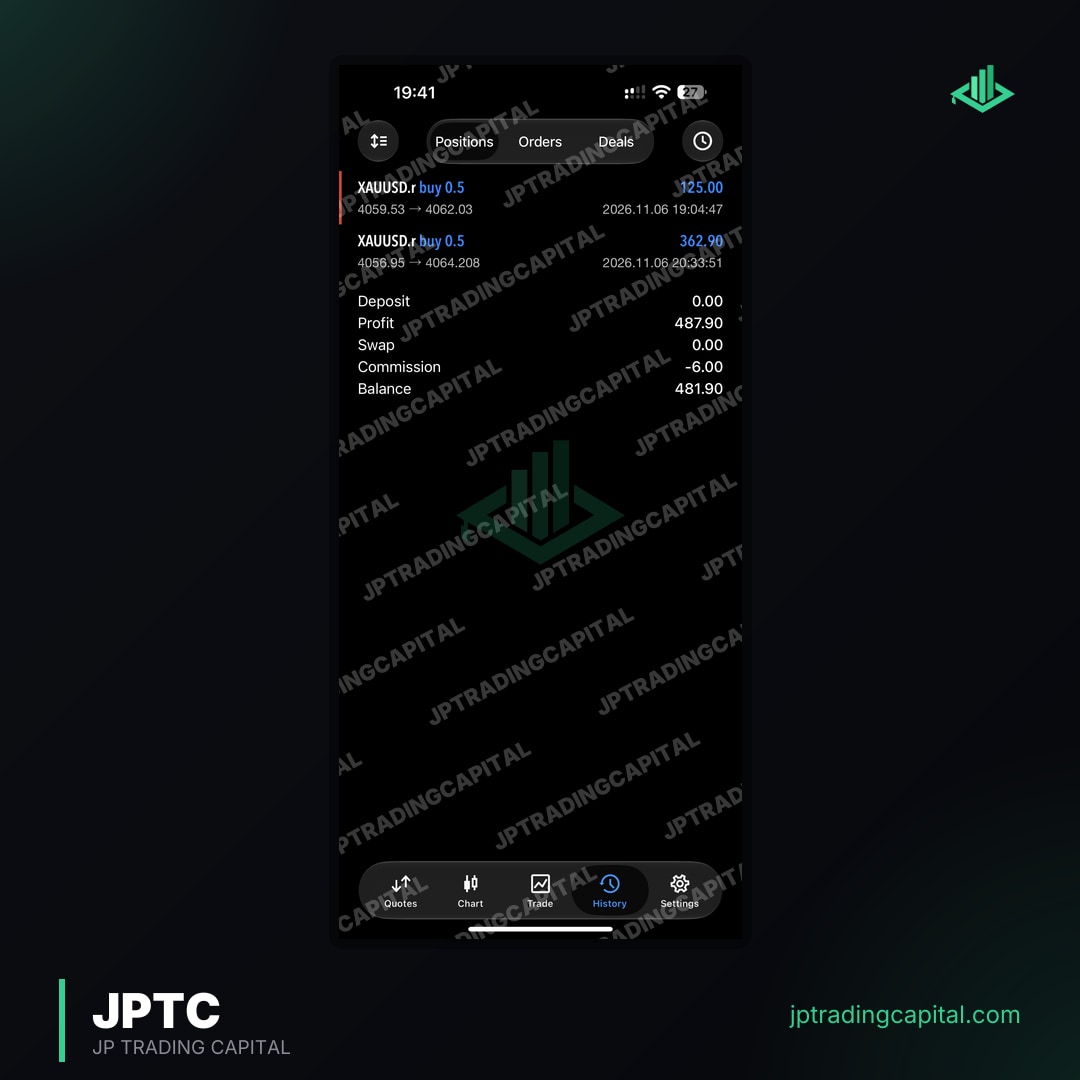
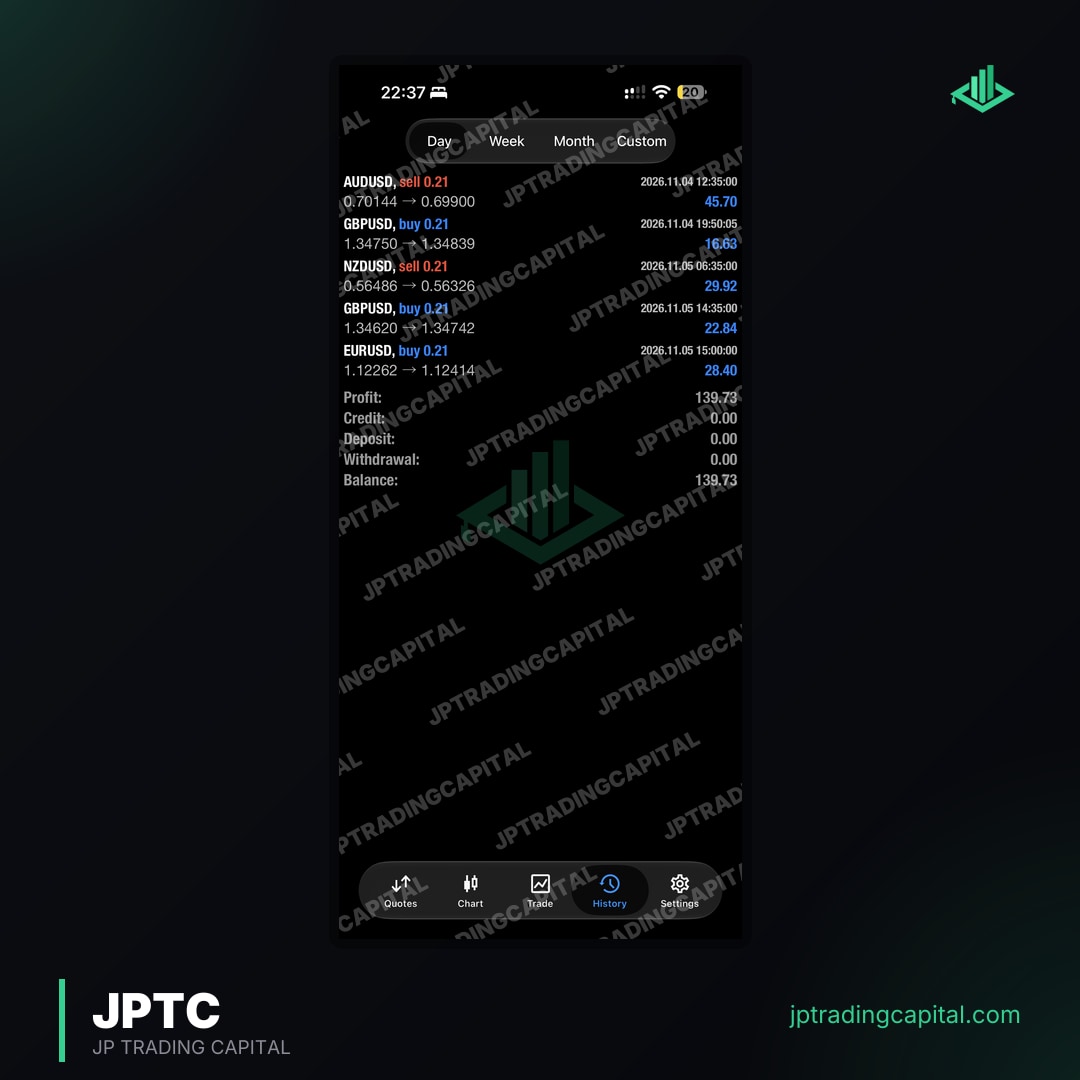
The hosted Live Algo connects directly to your own broker account with nothing to install and no VPS required. A minimum account balance applies. It includes a 14-day money-back guarantee if the algorithm is not connected and running on your account as shown, though trading results are not guaranteed. Before choosing any automated solution, review our company-published monthly figures from our broker statement on the results page. These published records reflect broker statements rather than an independent audit, and past performance does not predict future account outcomes.
Frequently Asked Questions About Algo Trading Hosting
Does using a low-latency VPS eliminate slippage completely?
No. While co-locating a VPS near your broker's liquidity pool reduces transmission latency to a few milliseconds, slippage occurs when market liquidity thins or during volatile macroeconomic announcements. A hosting server ensures rapid order transmission, but the broker's liquidity providers determine final fill prices.
Can I run an expert advisor on my personal computer instead of a VPS?
Yes. The JPTC EA Hub runs on any reliable PC or VPS with an active MT4 or MT5 terminal. A VPS is an optional deployment method rather than a strict requirement. However, running an EA on a home computer requires keeping the machine powered on, disabling sleep settings, and maintaining uninterrupted internet connectivity during market hours.
Why is the JPTC hosted Live Algo restricted from prop-firm evaluations?
The hosted Live Algo operates on dedicated institutional cloud architecture engineered to manage risk and compounding on a real account on your own broker. Proprietary firm evaluations feature distinct daily loss limits, trailing drawdown mechanics, and simulated execution conditions that require dedicated challenge risk protocols.
Can using a shared VPS IP address trigger a prop-firm ban?
Certain prop firms flag accounts that access trading terminals from IP addresses shared by hundreds of unrelated users, associating them with prohibited shared trading or account management. When selecting a VPS for evaluation accounts, choosing a provider that offers a dedicated, static IP address minimises compliance flags.
Related Articles
- Trading Strategy Software for Real Accounts and Prop Firms · Read more →
- Accessing Instant Forex Funding: Your Options · Read more →
- Forex Signals: Choosing for Prop Firm or Own Account · Read more →
- Algo Capital: Your Path to Automated Trading Success · Read more →
- Prop Evaluation Rule Sheet: Check EA Permission · Read more →
- Signal Providers and Followers: Evidence and Copying Risk · Read more →
- Best EA New York: Prop Firm Trading Solutions · Read more →
- FTMO Challenge Pass Rates: What the Evidence Shows · Read more →
- Sinal de Trading: How to Execute Forex and Gold Signals · Read more →
- Prop Instant Trading: Costs, Risk Rules, and Trade-Offs · Read more →
Automated forex and gold trading
Runs on your own account at your own broker. We host and set it up, so there is nothing to install and no VPS. No profit share, no monthly fee.
See how it works