Prop Firm Challenge Strategy: What Actually Works?
Material update: 15 October 2026: specifically identified source references, unsupported own-product/result qualifications or account-rule wording corrected. Existing publication status and URL retained.

The best trading strategy for prop firm challenges is one that consistently adheres to risk management rules while generating profitable trades. This typically involves a structured approach, such as trend following or mean reversion, executed with strict stop-loss and take-profit levels. Consistency and discipline are paramount.
Worth reading alongside this: the rules that end most funded accounts.
- Prioritize strict risk management over aggressive profit-taking.
- Choose strategies with high win rates or favorable risk-reward ratios.
- Focus on consistency to avoid violating daily/max drawdown limits.
- Automated strategies (EAs) can enforce discipline and rule adherence.
- Backtesting and forward-testing are crucial for validation.
Understanding Prop Firm Challenge Constraints
Prop firm challenges, offered by firms like FTMO, FundedNext, and TopStep, are designed to simulate real-world trading conditions under strict risk parameters. The primary hurdle isn't just profitability, but consistency in adhering to these rules. The most common constraints include:
- Daily Drawdown Limit: Typically 5% or 10% of the account equity. This means your account cannot lose more than this amount within a single trading day.
- Maximum Drawdown Limit: Usually 10% or 12% of the initial account balance. This is the total allowable loss from the account's starting equity.
- Profit Target: Often set at 10% or 8% of the account balance to be achieved within a specific timeframe.
- Minimum Trading Days: Some firms require a minimum number of trading days to pass the evaluation.
Failing to respect these limits, even with a profitable overall trade, results in an immediate account termination. Therefore, the best trading strategy for prop firm challenges must inherently incorporate robust risk management that respects these drawdown caps. Aggressive, high-risk strategies that can lead to large single-day losses are generally unsuitable.
Effective Trading Strategies for Prop Firm Evaluations
When selecting a strategy, traders must balance the need for consistent profits with the imperative to stay within drawdown limits. Several approaches have proven effective:
1. Trend Following Strategies
Trend following aims to capture profits by investing in a predetermined upward or downward momentum. The core idea is to identify a trend and ride it for as long as possible. This strategy is well-suited for prop firm challenges because trends, by nature, tend to move gradually, allowing for managed risk.
- How it works: Identify the dominant trend using indicators like Moving Averages (e.g., 50-day and 200-day MA crossover) or MACD. Enter trades in the direction of the trend.
- Risk Management: Use stop-losses placed below key support levels in an uptrend, or above key resistance levels in a downtrend. Trailing stops can be employed to lock in profits as the trend progresses.
- Prop Firm Suitability: Trends generally offer more predictable price movement, reducing the likelihood of sudden, large drawdowns. The strategy allows for defined entry and exit points, making it easier to manage risk per trade. A typical setup might involve entering a long trade on a pullback to a rising 50-period moving average in an established uptrend.
2. Mean Reversion Strategies
Mean reversion operates on the principle that prices tend to revert to their historical average or mean over time. This strategy is effective in range-bound or consolidating markets.
- How it works: Identify when an asset's price has moved significantly away from its average. Indicators like the Relative Strength Index (RSI) or Bollinger Bands can signal overbought or oversold conditions. Enter trades expecting the price to move back towards the mean.
- Risk Management: Place stop-losses just beyond the extreme price levels that triggered the trade, anticipating a reversal. Take-profit targets should be set at or near the historical average price.
- Prop Firm Suitability: Mean reversion can be less volatile than trend-following during choppy market conditions, potentially keeping drawdowns smaller. However, it requires careful identification of range boundaries and can be risky if a strong trend emerges unexpectedly. For example, if EUR/USD is trading between 1.0800 and 1.0850, a mean reversion trader might sell near 1.0850 and buy near 1.0800, with stops just outside these levels.
3. Breakout Strategies
Breakout strategies capitalize on price movements that occur when an asset breaks through a price level that has previously acted as resistance or support.
- How it works: Identify consolidation patterns like triangles, flags, or rectangles. Enter a trade when the price decisively breaks out of the pattern, expecting the price to continue in the direction of the breakout.
- Risk Management: Place stop-losses on the other side of the breakout level (e.g., below the resistance line if breaking upwards). Target profits can be estimated using the height of the consolidation pattern.
- Prop Firm Suitability: Breakouts can lead to rapid price movements, which can be beneficial for meeting profit targets quickly. However, they also carry a higher risk of false breakouts, leading to quick losses. Strict adherence to stop-losses is critical. A common example is trading a symmetrical triangle pattern; if the price breaks above the upper trendline, a buy order is placed with a stop-loss below the breakout point.
4. Scalping (with Caution)
Scalping involves making numerous small profits on minor price changes throughout the day. It requires extremely tight risk management and quick execution.
- How it works: Target very small profit targets (e.g., 5-10 pips) with equally tight stop-losses. Often uses high leverage and high-frequency trading.
- Risk Management: Essential to have extremely low stop-losses and to exit trades very quickly if they move against you.
- Prop Firm Suitability: While potentially profitable, scalping is one of the riskiest strategies for prop firm challenges. The frequent trading and tight stops can easily lead to hitting the daily drawdown limit if several small losses occur in quick succession. Many prop firms also have rules against high-frequency trading or scalping-like behavior. Traders must be exceptionally disciplined.
The Role of Automated Trading Systems (EAs)
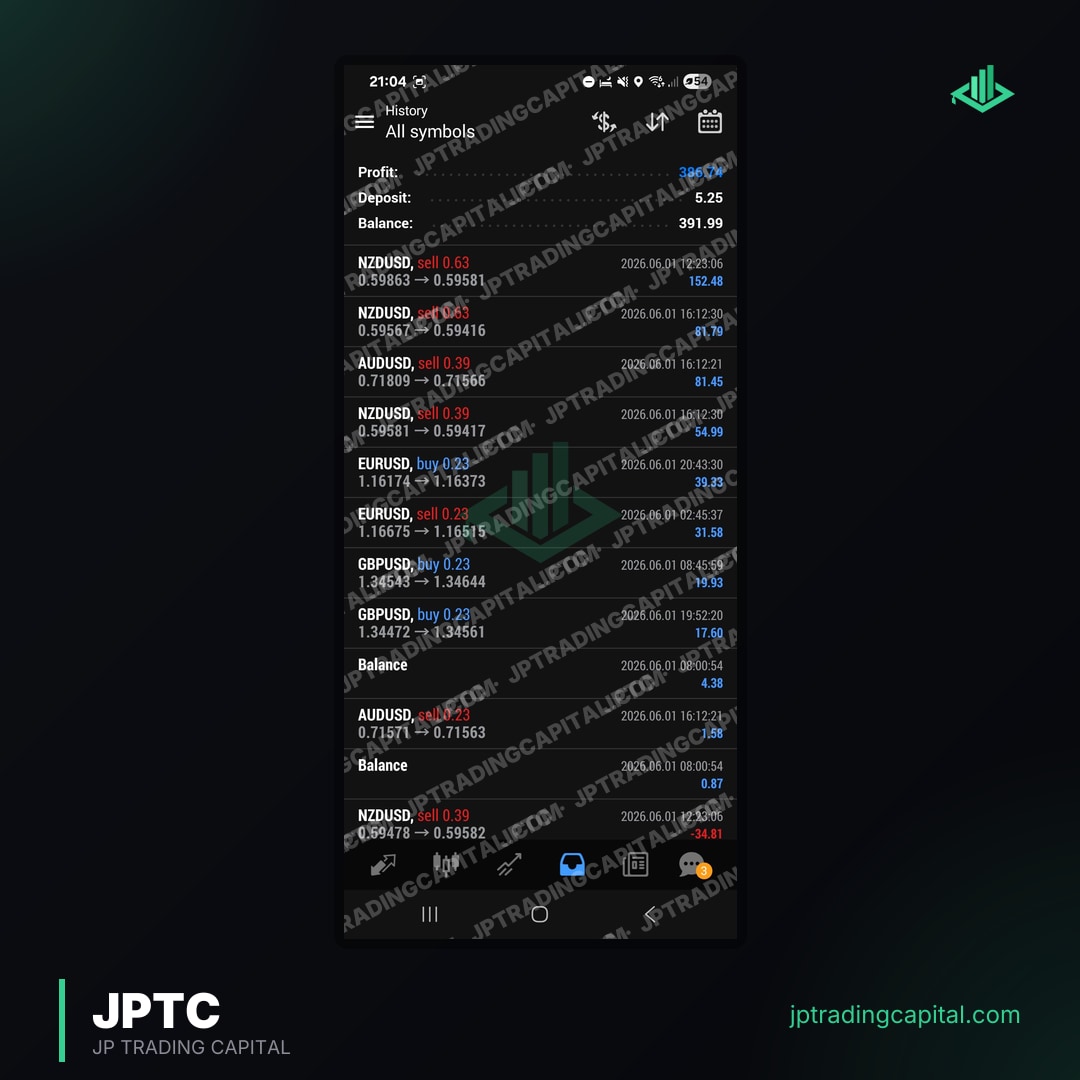


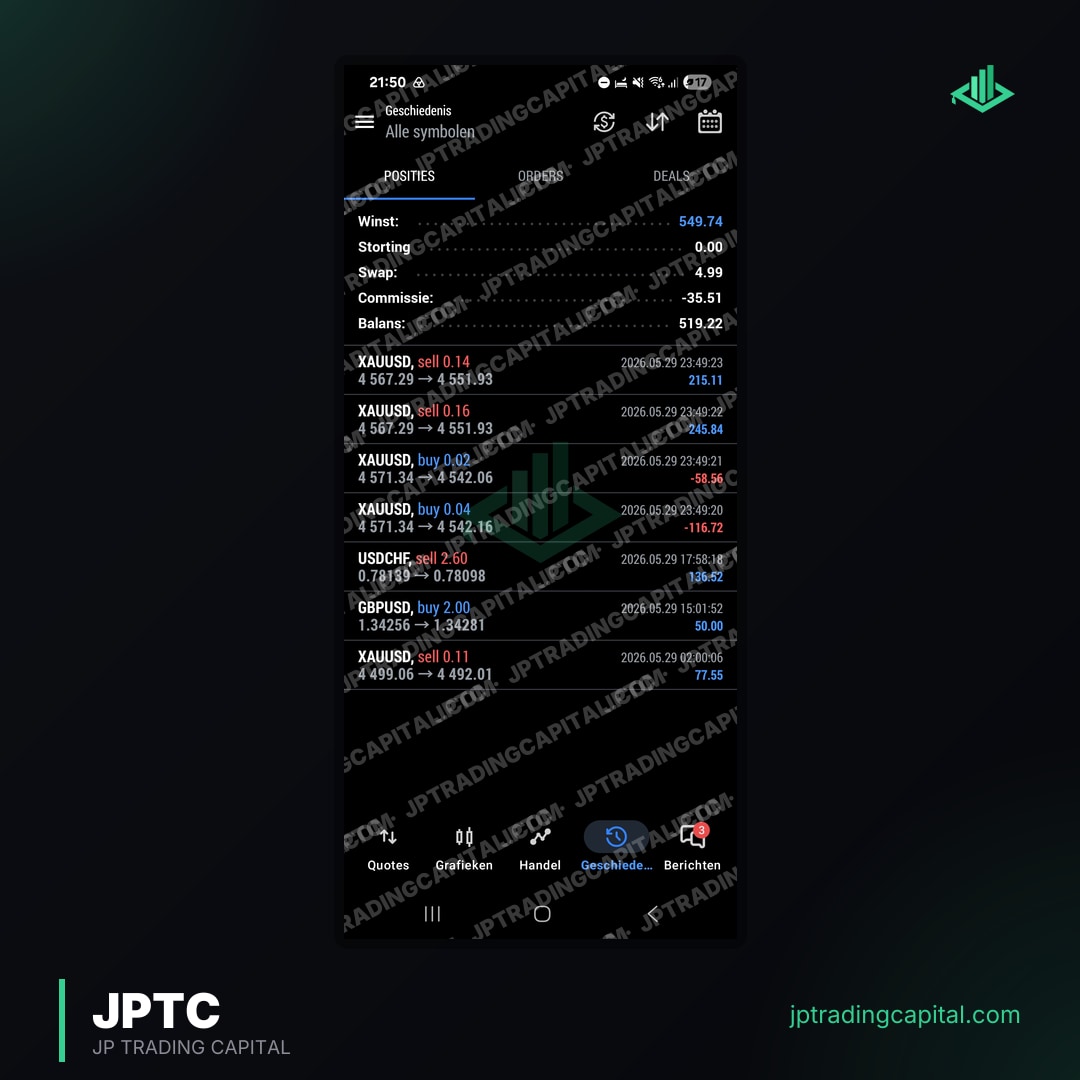

For many prop firm traders, especially those developing or utilizing Expert Advisors (EAs), automation offers a significant advantage. The best trading strategy for prop firm challenges, when automated, can enforce discipline and consistency more effectively than manual trading.
- Enforcing Rules: A well-programmed EA can be designed to automatically adhere to drawdown limits, position sizing rules, and even trading hour restrictions. This removes the emotional element and human error that often leads to rule violations.
- Consistency: EAs execute trades based on predefined algorithms, ensuring that the strategy is applied consistently without deviation, regardless of market noise or trader sentiment.
- Backtesting and Optimization: Automated strategies can be rigorously backtested on historical data and optimized for specific market conditions. This allows traders to refine their approach before risking capital or entering a challenge.
Platforms like MetaTrader 4 and MetaTrader 5 (MetaTrader 5) are popular for developing and running EAs. Firms like JPTradingCapital focus on building tools, such as the JPTC EA Hub, that are pre-configured with strategies designed to respect prop firm rules, including daily drawdown caps and consistency requirements. This can significantly streamline the evaluation process.
Key Factors for Success Beyond Strategy Selection
Even the best trading strategy for prop firm challenges will fail without proper execution and mindset. Consider these critical elements:
1. Strict Risk Management
This cannot be overstated. Every trade must be placed with a defined stop-loss. Position sizing should be calculated to ensure that no single trade exceeds a small percentage (e.g., 0.5% - 1%) of the account equity, well within the firm's drawdown limits. For instance, on a $100,000 account with a 5% daily drawdown limit ($5,000), risking $500 per trade (0.5%) means you could sustain 10 consecutive losing trades before hitting the daily cap.
2. Consistency and Discipline
The most common reason for failing prop firm challenges is inconsistency. Trading the same strategy with the same risk parameters every day is crucial. Avoid chasing losses, overtrading, or deviating from your plan based on gut feelings. This is where automated systems can truly shine, removing emotional bias.
3. Market Selection
Not all markets are created equal for every strategy. A trend-following strategy might perform better in trending currency pairs like AUD/JPY, while a mean-reversion strategy might be more effective in less volatile pairs or during specific market sessions. Research which markets suit your chosen strategy best.
4. Backtesting and Forward Testing
Before deploying any strategy in a live prop firm challenge, it must be thoroughly tested. Backtesting on historical data provides an initial assessment, but forward testing (e.g., on a demo account or a small live account) is essential to see how the strategy performs in current market conditions. JPTradingCapital publishes monthly figures from broker statements on its results page. The broker’s own account record is not an independent audit; these figures do not establish future performance or compliance for another strategy.
5. Continuous Learning and Adaptation
Markets evolve. What worked yesterday might not work tomorrow. Stay updated on market conditions, review your trading performance regularly, and be prepared to adapt your strategy or parameters as needed. Resources like MQL5.com offer extensive community insights and tools for traders.
Choosing the Right Prop Firm
The choice of prop firm also impacts strategy selection. For example, firms like Apex Trader Funding or TopStep might have different drawdown rules or trading conditions than others. Understanding the specific rules and nuances of your chosen firm is as important as the strategy itself. For instance, some firms might have stricter rules about holding trades over the weekend or during news events.
Conclusion: The Best Strategy is a Compliant One
Ultimately, the best trading strategy for prop firm challenges is not about finding a magic bullet, but about implementing a robust, risk-managed approach that consistently adheres to the evaluation rules. Whether you are a manual trader or utilize automated systems like EAs, discipline, consistency, and a deep understanding of risk are non-negotiable. By focusing on strategies that align with prop firm constraints and continuously refining your approach, you significantly increase your chances of success.
What is the most common reason traders fail prop firm challenges?
Can I use an EA for prop firm challenges?
How important is backtesting for a prop firm strategy?
Should I aim for quick profits or consistency in a prop firm challenge?
Automation only helps if it respects the rulebook. These go deeper on the strategies and the checks that matter:
Related Articles
- How Long Does It Take to Pass a Prop Firm Challenge? · Read more →
- Prop Firm Passing Services: Legal or Risky? · Read more →
- Prop Firm Passing Services: How They Really Work · Read more →
- Legit vs Scam Prop Firm Pass Services · Read more →
- Prop Firm Passing Services: What's the Real Cost? · Read more →
- Prop Firm Evaluation: Your First 30-60 Days Explained · Read more →
- Live Trading Room vs Discord: Prop Firm Trader's Choice · Read more →
- Best EA for FTMO Challenge in 2026: Top Picks Reviewed and Tested on Live Accounts · Read more →
Review the JPTC EA Hub
EA software with version-specific documentation and account-level risk controls. Review the selected programme’s current automation rules and test the chosen version; software does not guarantee compliance, a pass or a payout.
See the EA Hub