Maven Trading EA Policy 2026: Why Automated Trading Is Banned

Maven Trading explicitly prohibits Expert Advisors (EAs) on all its platforms, stating they are not permitted under any circumstances. This policy applies to all challenge phases and funded accounts, meaning all trading activity must be manual to comply with their rules, with no exceptions for automated systems.
- Expert Advisors (EAs) are strictly banned across all Maven Trading platforms.
- Using EAs will prevent traders from passing evaluation challenges.
- Repeated use of automated systems may lead to account termination.
- All trading on Maven Trading must be executed manually.
- The ban extends to all challenge accounts and subsequent funded accounts.
Understanding Maven Trading's Strict EA Ban in 2026
Maven Trading maintains a clear and unequivocal stance against automated trading, specifically prohibiting Expert Advisors (EAs) across all its platforms in 2026. This policy is fundamental to their operational model and impacts every trader participating in their programs.
The 'Not Permitted Under Any Circumstances' Clause
The core of Maven Trading's policy is its explicit declaration that Expert Advisors are 'not permitted under any circumstances across all our platforms.' This phrasing leaves no room for ambiguity or interpretation. For traders accustomed to relying on automated systems, this rule necessitates a complete shift to manual trading strategies when engaging with Maven Trading.
The term 'Expert Advisor' generally refers to any piece of software that automates trading decisions and execution on platforms like MetaTrader 4 or 5. This can include anything from simple scripts for order management to complex algorithms that execute trades based on predefined criteria. Maven Trading's policy encompasses all such automated tools, ensuring a level playing field where human discretion and skill are the primary determinants of success.
Implications for Challenge Phases and Funded Accounts
The ban on Expert Advisors has significant implications throughout a trader's journey with Maven Trading. During the initial challenge phases, using an EA will directly prevent a trader from meeting the evaluation criteria. The system is designed to detect automated activity, and such detection will lead to a failed challenge.
Furthermore, this prohibition extends to funded accounts. Even after successfully passing a challenge manually, traders are still bound by the no-EA rule. Any attempt to introduce automated trading on a funded account could lead to severe consequences, including the termination of the account and forfeiture of any accumulated profits. Our research indicates that prop firms prioritize consistent, discretionary trading skill, which EAs are often seen to undermine.
Clarifying 'Prior Approval': A Rare Exception
While some of Maven Trading's terms and conditions might mention 'prior approval' for automated systems, it is crucial for traders to understand the practical reality of this clause. For the vast majority of retail traders, obtaining such approval is highly unlikely. Our experience and observations across the prop firm industry suggest that 'prior approval' typically refers to specific, bespoke arrangements for institutional partners or highly specialized scenarios, not a general allowance for individual traders to use their preferred EAs.
Traders should not interpret this clause as an open invitation to apply for EA usage. Instead, the default and expected mode of operation for all challenge and funded accounts is manual trading. Relying on the possibility of 'prior approval' for a standard retail EA setup is a misconception that could lead to failed challenges and wasted effort.
Why Do Prop Firms Like Maven Trading Prohibit Expert Advisors?
The decision by Maven Trading to prohibit Expert Advisors is not arbitrary; it stems from fundamental principles of risk management, fairness, and the assessment of genuine trading skill. Understanding these underlying reasons can help traders appreciate the rationale behind such strict policies.
Maintaining Fair Play and Skill Assessment
Proprietary trading firms aim to identify and fund skilled traders who can consistently generate profits through their own analytical abilities and decision-making. If EAs were universally permitted, it would become challenging to differentiate between a trader's genuine skill and the performance of an algorithm. The evaluation process is designed to test a trader's ability to react to market conditions, manage risk, and execute trades strategically, all of which are core elements of discretionary trading.
By requiring manual trading, Maven Trading ensures that the success or failure of a challenge rests solely on the individual's trading acumen, fostering an environment of fair play among all participants.
Preventing Arbitrage and Exploitative Strategies
Many Expert Advisors are designed to exploit tiny market inefficiencies, latency differences, or specific broker quirks, often referred to as arbitrage strategies. While these can be profitable in certain contexts, they often do not reflect sustainable, skill-based trading. Prop firms invest significant capital in their traders and systems, and they need to protect against strategies that could drain capital without generating genuine market-making value or consistent, scalable returns.
Automated systems can also be used for high-frequency trading or 'tick scalping,' which can put undue strain on a broker's infrastructure or be seen as manipulative. Banning Expert Advisors helps prevent such exploitative practices and maintains the integrity of the trading environment.
Risk Management and Platform Stability
Prop firms operate with substantial capital and stringent risk management protocols. Uncontrolled or poorly configured EAs, especially when run by multiple traders, could introduce unforeseen risks to the firm's overall exposure. A cascade of automated trades, for example, could exacerbate market volatility or lead to rapid losses that are difficult to manage.
Furthermore, a large number of EAs constantly sending orders can place a significant load on the trading platform's servers, potentially leading to latency issues or even system instability. By standardizing on manual trading, Maven Trading can better control its risk exposure and ensure a stable, reliable trading environment for all its users.
Navigating Trading Rules: What to Do If You Use EAs
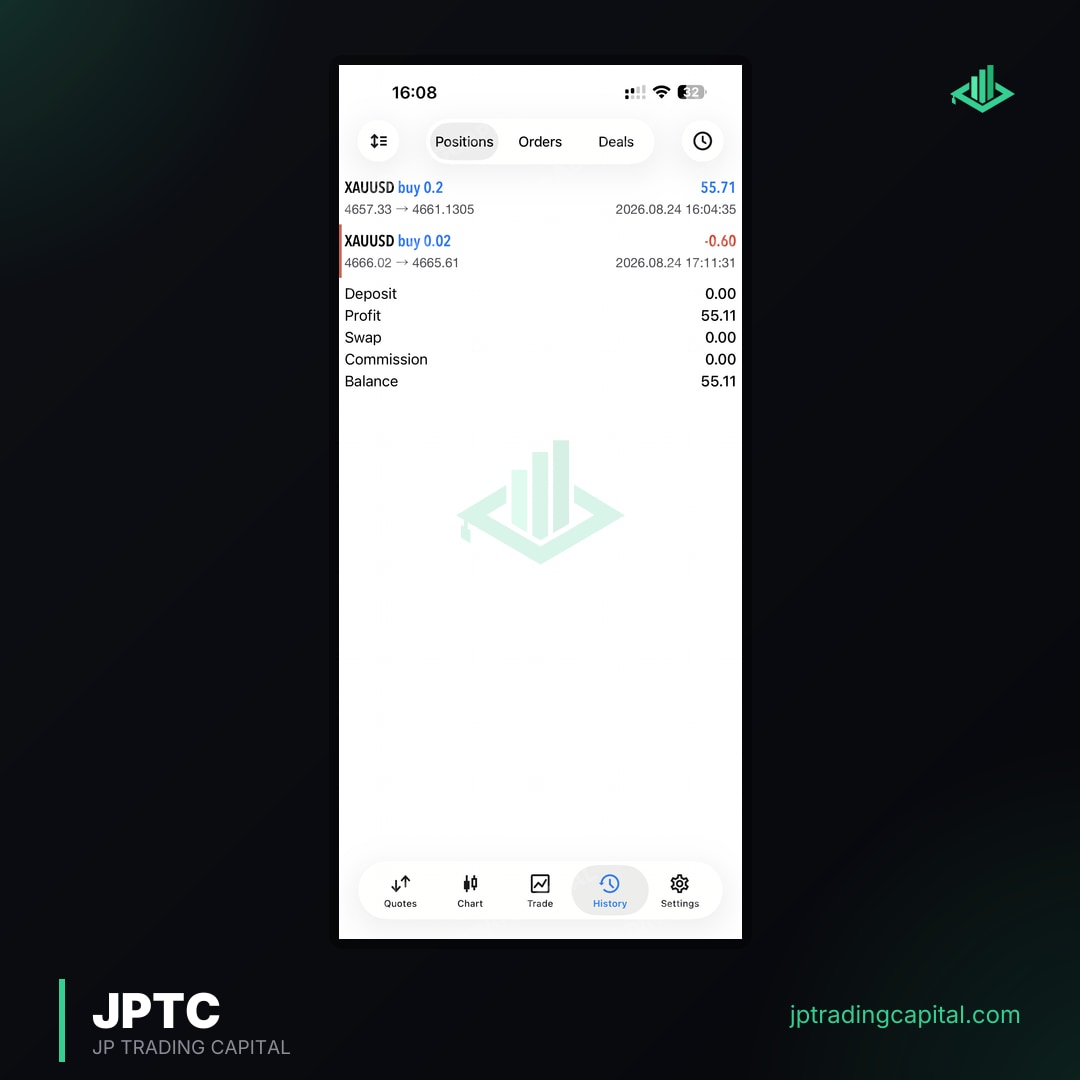
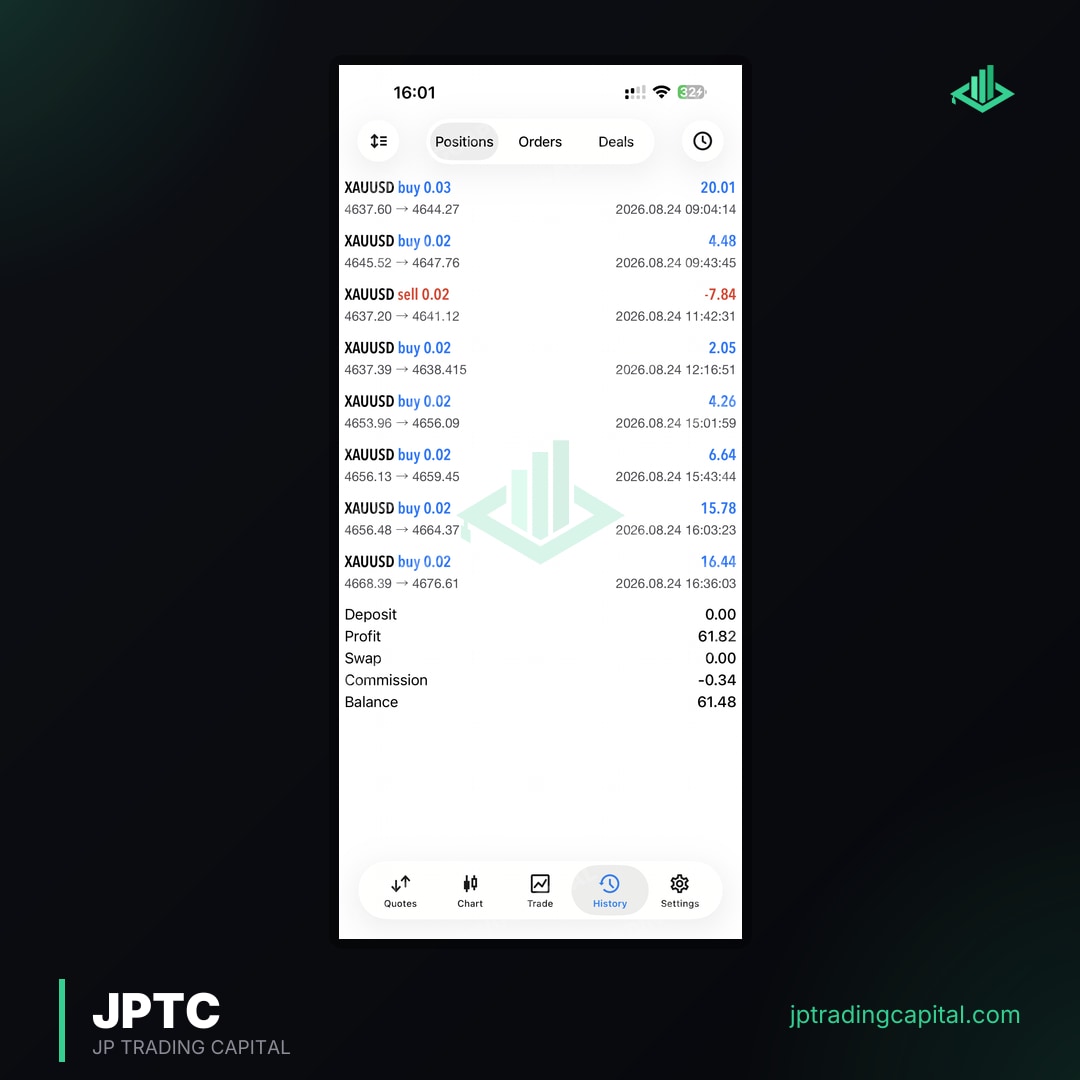
For traders who primarily rely on Expert Advisors, Maven Trading's strict ban presents a challenge. However, there are clear paths forward, whether by adapting to manual trading for Maven or seeking out prop firms that align with automated strategies.
Manual Trading Strategies for Maven Trading
If your goal is to trade with Maven Trading, the only compliant option is to embrace manual trading. This means developing and executing trades based on your own analysis, chart patterns, indicators, and risk management decisions. It's an opportunity to hone your discretionary trading skills, which are invaluable regardless of whether you use automation elsewhere.
Traders should focus on mastering technical analysis, understanding market fundamentals, and practicing strict adherence to their trading plan without the aid of automated execution. This approach fosters a deeper understanding of market dynamics and personal trading psychology.
Exploring Prop Firms That Permit Expert Advisors
For traders whose strategies are inherently automated, or who simply prefer the efficiency and discipline that EAs offer, numerous other prop firms do permit Expert Advisors. These firms often have specific rules regarding EA usage, such as consistency requirements, maximum daily drawdown limits, and restrictions on certain high-frequency or arbitrage strategies.
The key is to research and select a prop firm whose rules are compatible with your EA's operational parameters. Firms like FTMO, FundedNext, FXify, The5ers, and E8 Funding allow EAs under their own conditions, while TopStep allows bots only through the TopstepX API, provided they adhere to the firm's specific trading objectives and risk parameters. For a deeper dive into compatible firms and strategies, you can explore our resources on passing prop firm challenges.
Complying with Consistency and Drawdown Rules
Even with prop firms that permit Expert Advisors, compliance with specific rules is paramount. EAs must be configured to respect critical parameters such as daily drawdown limits, maximum loss limits, and consistency rules. Many firms seek to identify traders who can generate steady profits, not just large, infrequent wins, and this often translates into requirements for consistent trading activity and risk management.
An EA that, for example, risks too much on a single trade or generates highly inconsistent profit patterns might still violate a prop firm's rules, even if EAs are generally allowed. This highlights the importance of using well-designed and properly configured automated systems.
Common Misconceptions About Automated Trading on Prop Firms
The landscape of prop firm rules can be complex, leading to several misconceptions about what constitutes 'automated trading' and what is permissible.
The Difference Between EAs and Copy Trading
While Maven Trading bans Expert Advisors, it treats copy trading under separate rules. Copy trading, where one trader's actions are replicated in another account, is a different mechanism than a self-executing EA. Firms often have separate policies for each.
An EA makes independent trading decisions and executes them based on its internal logic. Copy trading, on the other hand, is about mirroring another human trader's actions. It's crucial not to conflate the two; a ban on Expert Advisors does not automatically imply a ban on copy trading, or vice-versa. Always consult the specific firm's rules for each type of activity.
What Constitutes 'Automated Trading' (Beyond Just EAs)
Maven Trading's terms often broadly prohibit 'automated trading,' which can encompass more than just traditional Expert Advisors. This typically includes:
- Bots: Any software designed to perform tasks automatically, including trading.
- Scripts: Custom programs that automate specific functions, even if they don't fully manage trades.
- Other Automated Systems: This catch-all phrase covers any technology that removes human discretion from the trading process.
The intent of these rules is to ensure human involvement in every trading decision and execution. Therefore, any tool that bypasses this human element is likely to fall under the 'not permitted' umbrella for Maven Trading.
JPTradingCapital's Solution for EA-Friendly Prop Firms
While Maven Trading explicitly states that Expert Advisors are not permitted under any circumstances, traders who prefer or rely on automated strategies still have excellent options for navigating prop firm challenges. JPTradingCapital specializes in providing robust solutions for these traders.
The JPTC EA Hub is our flagship offering, specifically designed to help traders pass evaluations and manage funded accounts with prop firms that *do* allow Expert Advisors. You run the EAs on your own MT4 or MT5 terminal, on a reliable PC or VPS, and the ready-made setfiles keep the process simple.
Our EA Hub comes pre-configured with backtested strategies built around common prop-firm rules. This includes crucial parameters such as daily drawdown caps, maximum loss limits, and consistency requirements. These built-in safeguards are vital for maintaining compliance and increasing the likelihood of success in prop firm challenges.
The JPTC EA Hub is compatible with both MT4 and MT5 platforms and is built to work seamlessly across a range of leading prop firms, including FTMO, FundedNext, FXify, The5ers, and E8 Funding. Our focus is on providing reliable automation built around prop-firm rules that empowers traders to achieve their funding goals. You can explore our results to see how our strategies are designed for prop firm success.
FAQ
Can I use an EA if I get 'prior approval' from Maven Trading?
What happens if I use an EA on Maven Trading?
Are there any exceptions to Maven Trading's EA ban?
Does Maven Trading allow copy trading?
Which prop firms do allow Expert Advisors?
Related Articles
- Choosing the Right Funded Forex Account: 7 Key Steps for 2026 · Read more →
- Exact FundedNext Scalping Rules for 2026: Avoid Policy Violations · Read more →
- Winning Prop Firms: 3 Hidden Drawdown Rules to Master in 2026 · Read more →
- How Long Do Prop Firm Withdrawals Take? Exact 2026 Guide · Read more →
- Best Scalping EAs for Prop Firms: 5 Top Choices in 2026 · Read more →
- FundedNext Instant Account Rules 2026: 7 Key Updates for Traders · Read more →
- FundedNext Payouts 2026: 3 Fastest Ways to Get Paid · Read more →
- FundedNext Payment Methods 2026: Exact Fees & Payouts · Read more →
- Topstep Bot Trading 2026: Exact Rules for Automated EAs · Read more →
- Prop Trading Tax in 2026: 3 Key Dutch Rules to Maximize Savings · Read more →
Automated forex and gold trading
Runs on your own account at your own broker. We host and set it up, so there is nothing to install and no VPS. No profit share, no monthly fee.
See how it works