Automated Algo Trading Market: Choosing the Right Setup
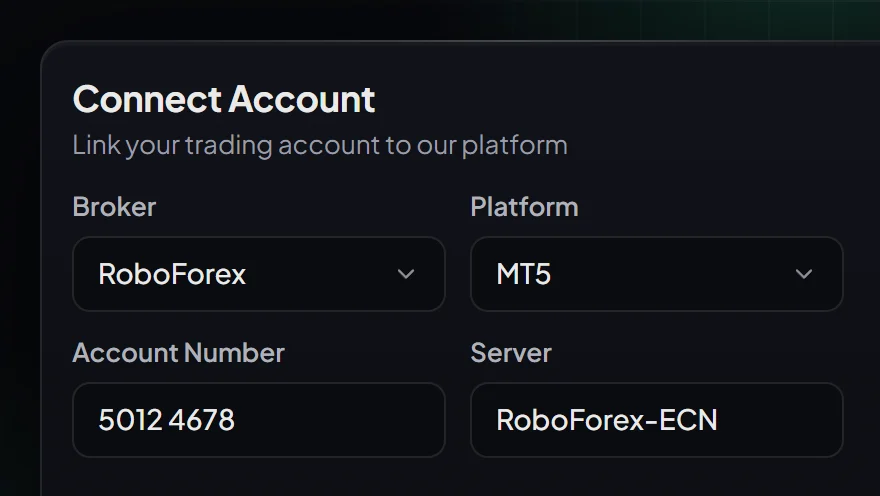
In the automated algo trading market, retail participants are no longer confined to writing custom scripts or staring at charts for hours. Today, traders navigate four distinct deployment setups: client-side Expert Advisors operating on personal terminals, cloud-hosted algorithms running directly on private broker accounts, structured prop evaluation preparation, and supported automated trade copying. Choosing the right path requires evaluating execution latency, platform rules, and drawdown mechanics rather than chasing marketing promises.
Four Core Models in the Automated Algo Trading Market
Before committing capital to software or access fees, it is essential to understand how automated trading solutions are actually structured and delivered:
- Client-Side Expert Advisors: Software licences that run locally on a trader's own terminal, such as MT4 or MetaTrader 5. The user manages their own setup on a reliable personal computer or an optional Virtual Private Server (VPS). This model gives traders granular control over configurable setfiles, trade sizing, and indicator parameters.
- Cloud-Hosted Broker Algorithms: Automated trading systems hosted directly on the provider's server infrastructure and connected to the customer's own broker account. Because the provider maintains the trading environment, the customer has nothing to install and requires no VPS. This setup is built specifically to build private broker accounts and is not offered for prop-firm challenges or evaluations.
- Prop Challenge Preparation and Passing: Dedicated execution services built to manage the rigid risk limits of prop evaluations. These services operate until the challenge targets are achieved under agreed risk controls. Traders retain their accounts in their own name, bearing firm-terms risk, and no challenge pass is guaranteed.
- Supported Signal Copying: Forex and gold trade calls providing clear entry, stop loss, and target prices. These can be executed manually or mirrored through supported automatic copying to the customer's own broker account under agreed risk settings and permissions, with eligible VIP access covered through a partner broker.
Execution Realities: Latency, VPS Setups, and Terminal Stability
Every automated model interacts with broker liquidity differently. A critical distinction in the automated algo trading market lies between local terminal execution and server-side automation.
When running an Expert Advisor locally on MetaTrader, the software processes incoming price ticks directly on your machine. If your computer shuts down, enters sleep mode, or suffers an internet interruption, open trades lose automated risk handling unless a hard stop loss is already resting on the broker's server. While many traders run software successfully on a reliable home computer, utilizing an optional VPS ensures continuous terminal uptime during volatile market sessions.
In contrast, cloud-hosted systems route orders through dedicated data centre servers directly to the broker's bridge. This setup removes client-side hardware dependencies entirely. Regardless of delivery architecture, traders must account for real-world execution variables. As detailed in core trading literature on Investopedia, slippage and spread widening during macroeconomic news releases can cause orders to fill away from modeled prices, meaning automation executes precise instructions but cannot guarantee matching fills across disparate liquidity providers.
Prop-Firm Evaluation Rules versus Private Broker Accounts
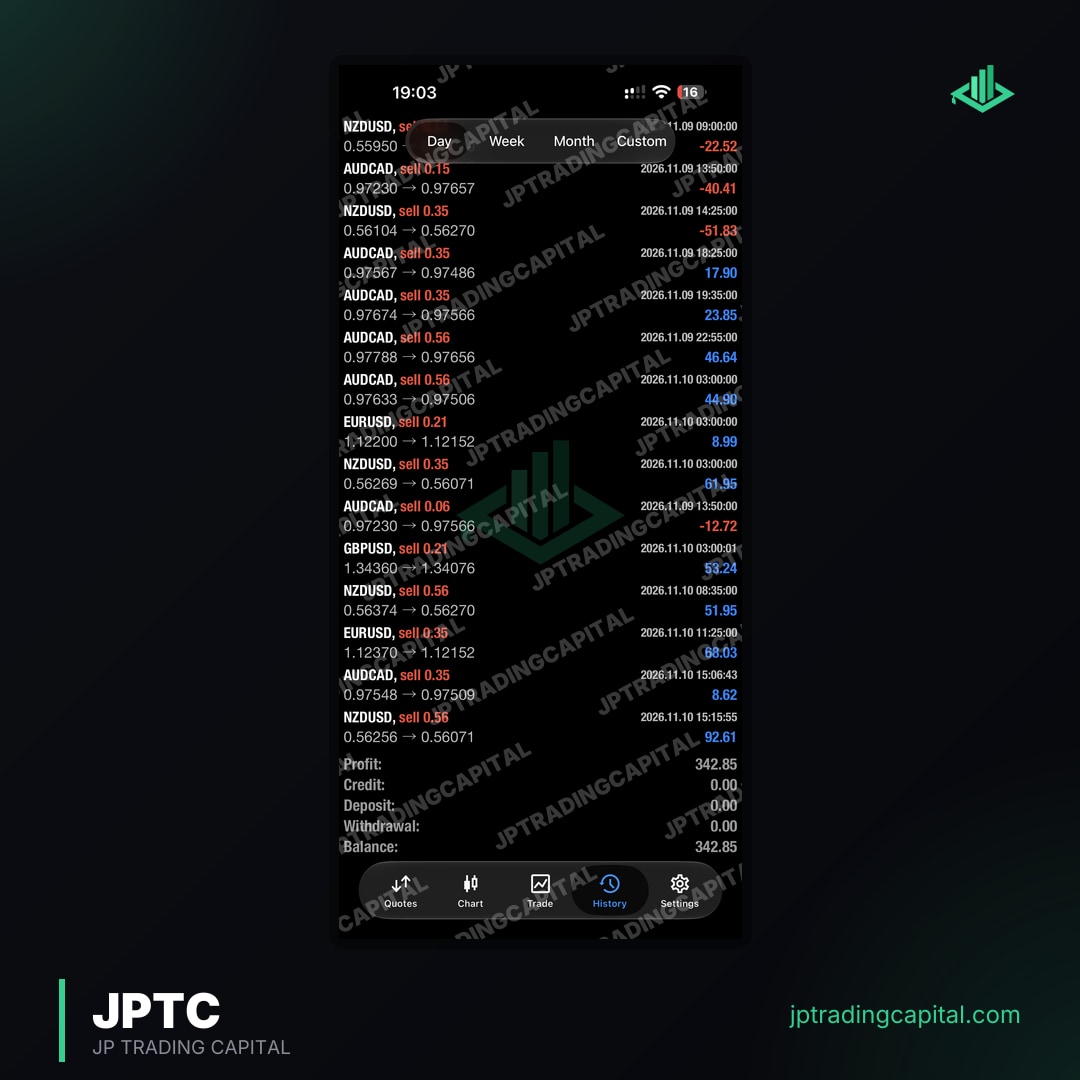
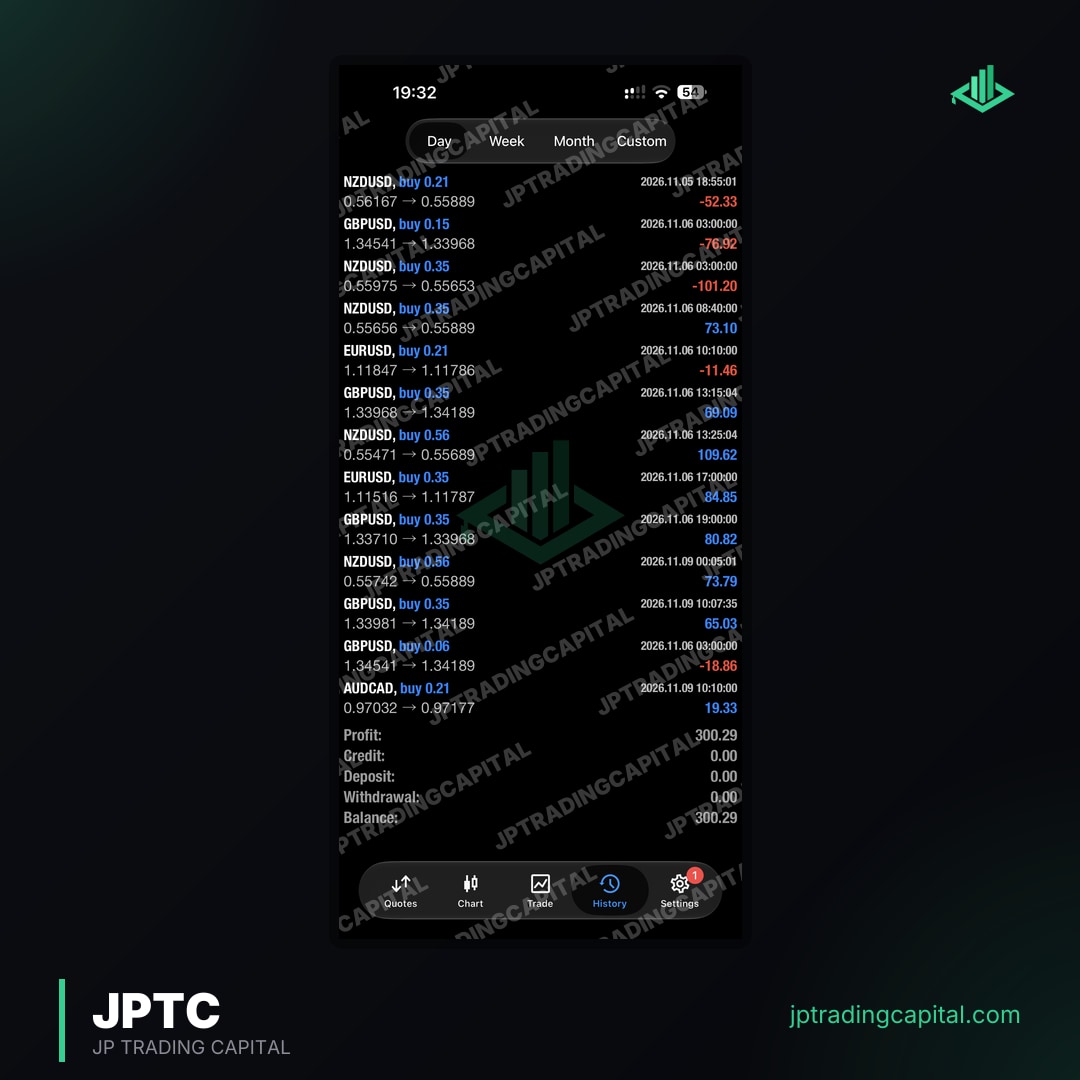
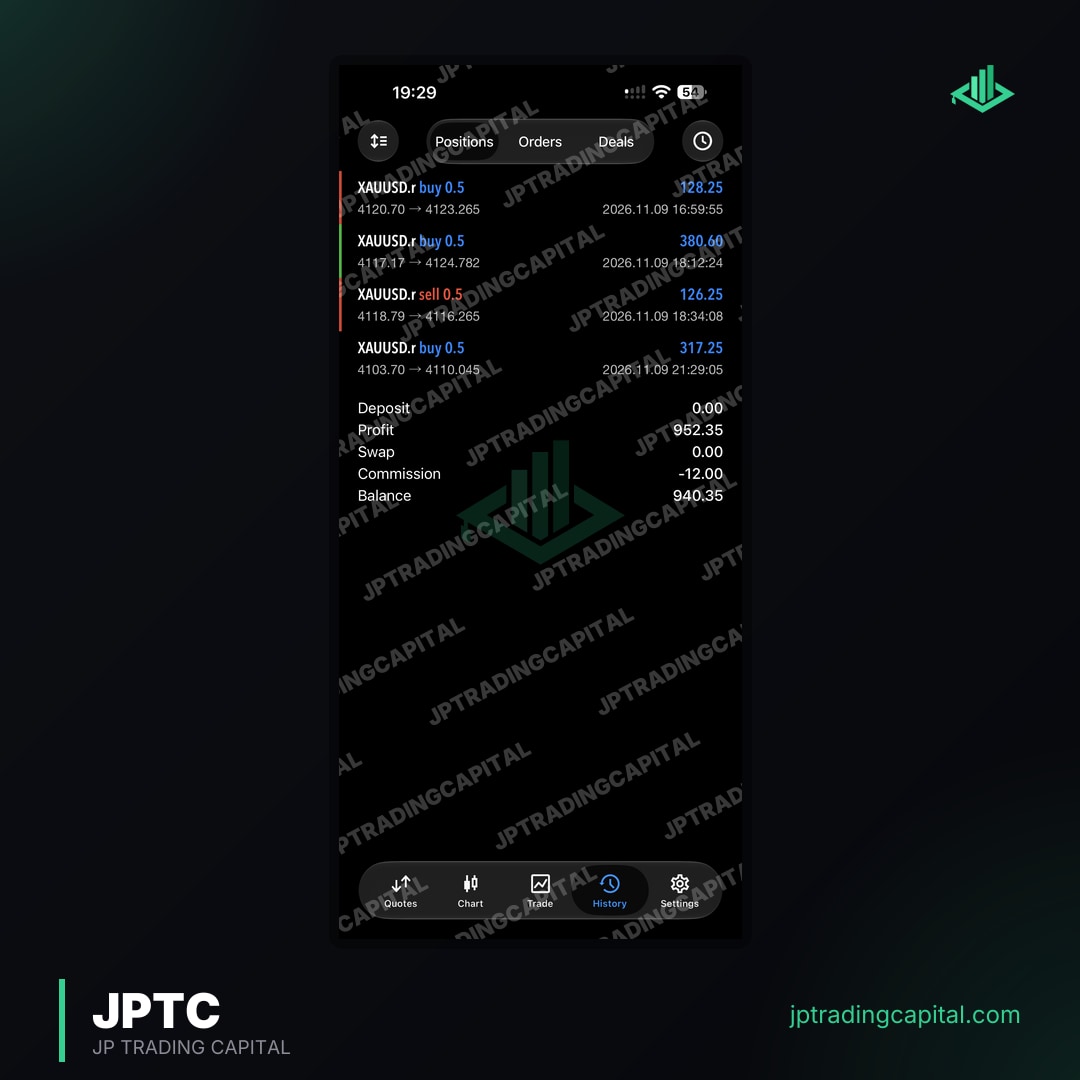
A frequent error made by retail traders is assuming that an automated system built for a private broker account will automatically function under prop-firm rules. The operational boundaries between these environments are fundamentally different.
On a private broker account, risk is primarily governed by available margin, broker leverage tiers, and overnight financing costs. The trader determines their own drawdown tolerance. In prop-firm evaluations, however, traders must satisfy strict, non-negotiable compliance boundaries. For instance, standard 2-Step evaluations at firms like FTMO require traders to stay within a 5% daily loss limit and a 10% maximum static loss limit, as documented in FTMO trading objectives. Furthermore, prop firms monitor and restrict specific trade styles, such as tick scalping or latency exploitation, detailed under FTMO forbidden trading practices.
Automated software executes rules systematically, but it cannot prevent market-driven rule breaches caused by overnight gaps or unexpected spread expansion. A historical backtest or static setfile is not proof of compliance with current prop-firm rules, and no system can promise an evaluation pass or payout. Traders operating in prop evaluations must ensure their software is actively calibrated to the exact phase, daily loss calculation, and platform rules of their chosen firm.
Evaluating Commercial Systems: Broker Statements versus Marketing Claims
Because the automated algo trading market contains aggressive marketing, identifying credible systems requires looking past promotional win rates and backtest curves. Anyone can optimize a historical test on historical data to present a smooth equity curve, but historical performance does not dictate live market outcomes.
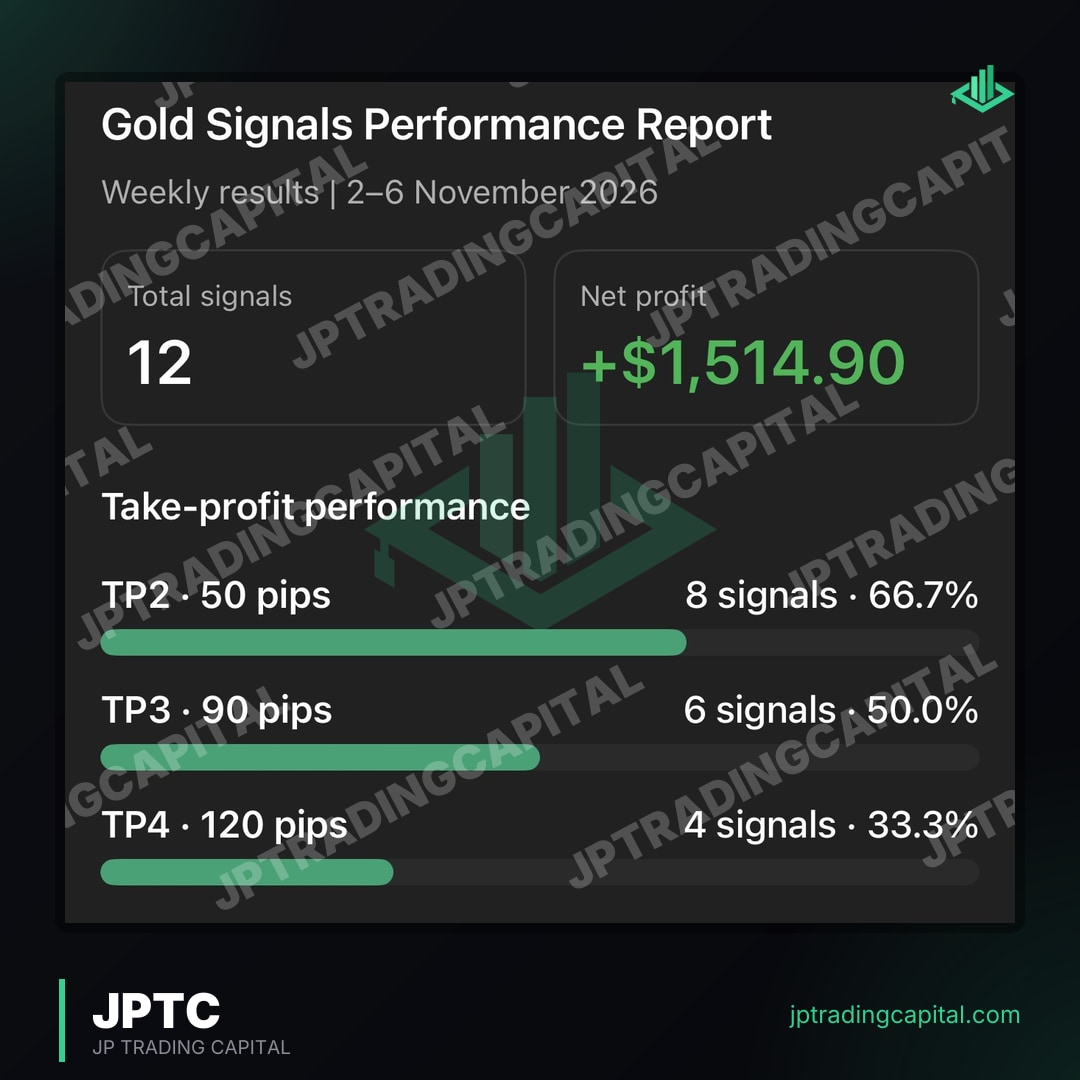
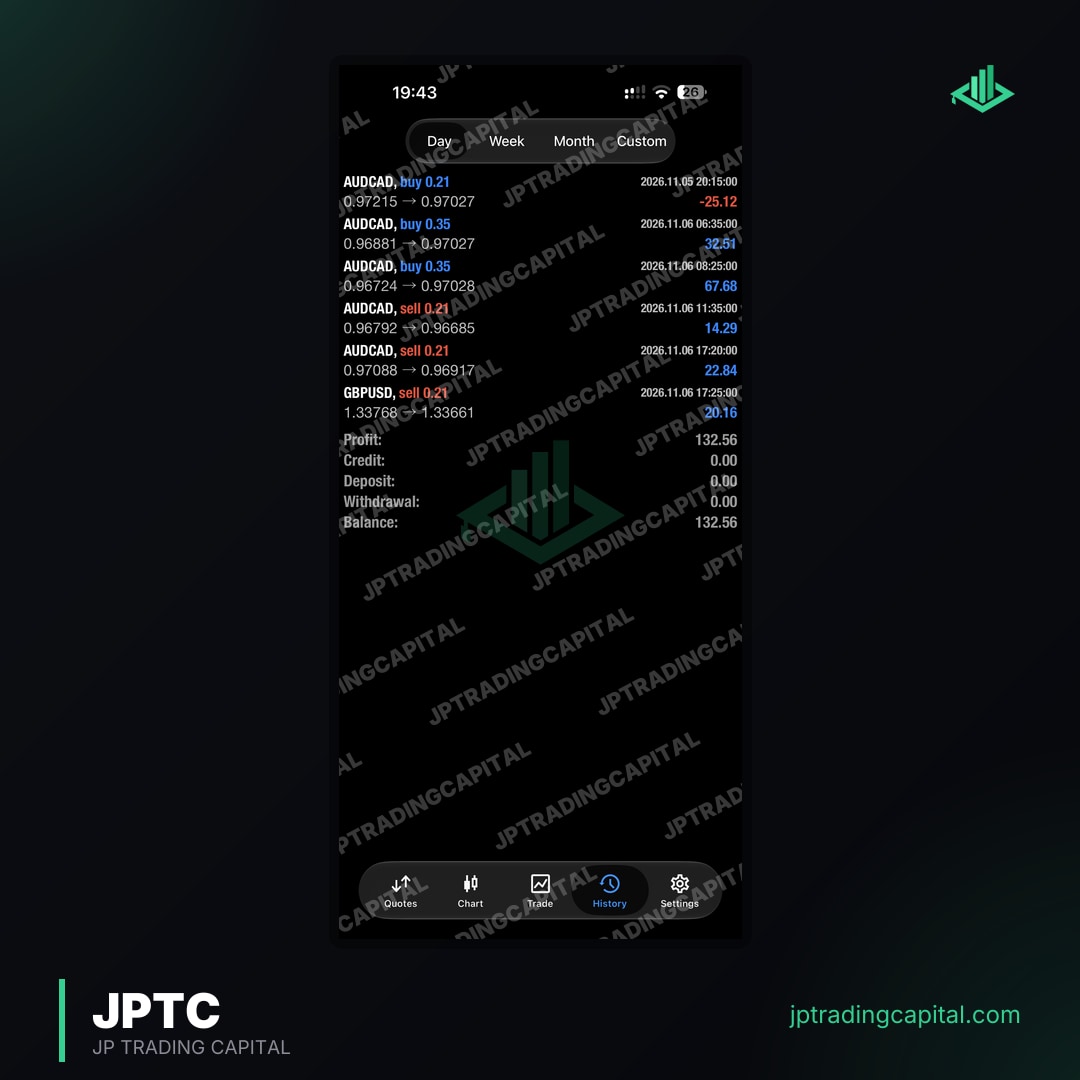
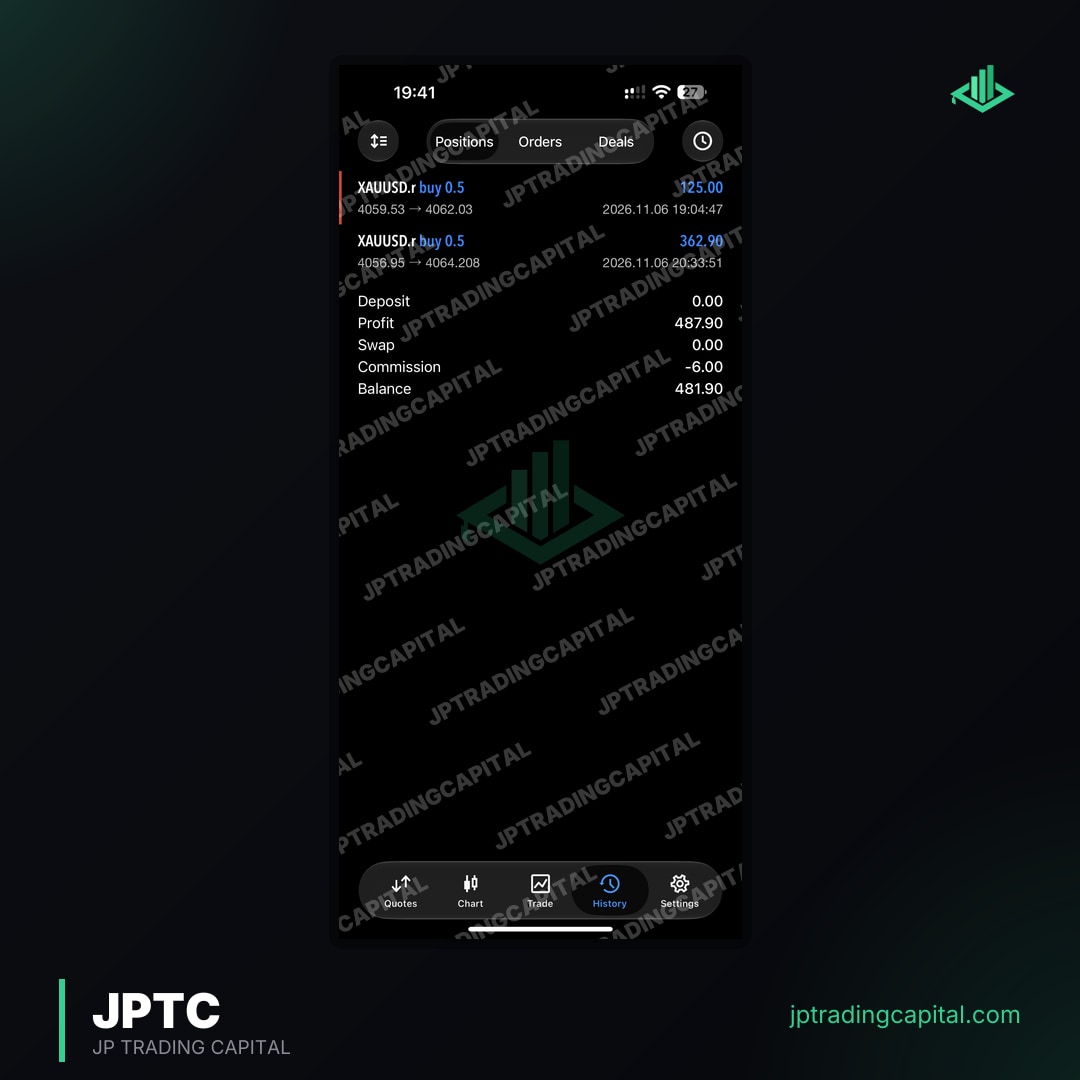
Credible performance assessment relies on verifiable documentation, including broker statements showing live trading history and confirmed prop-firm passing certificates. At JPTradingCapital, we maintain transparent performance reporting on our results page, where we publish monthly figures derived directly from our company broker statement. These company-published figures represent our own broker statement records rather than an independent audit or third-party verification, and they should never be viewed as a prediction of performance for any other account.
Decision Guide: Choosing the Right Solution for Your Goals
Selecting an automated solution requires aligning your capital type, technical preference, and risk tolerance with the right product architecture:
- Tackling MT4 or MT5 Prop Challenges: If your objective is navigating evaluation drawdown rules, client-side software engineered for risk discipline is ideal. The JPTC EA Hub provides downloadable MT4 and MT5 software that you run on your own terminal on a reliable PC or optional VPS, featuring setfiles built around prop-firm daily loss and maximum drawdown parameters. If you prefer comprehensive assistance, our passing service manages the challenge process under agreed parameters, though challenge passes are never guaranteed.
- Hands-Off Private Capital Growth: If you trade a personal broker account and want algorithmic execution without maintaining client terminals or managing setfiles, a hosted approach eliminates operational friction.
- Hybrid Execution for Forex and Gold: If you value curated analysis with flexible execution, our forex and gold calls offer explicit entry, stop loss, and target levels. You can place trades manually or use supported automatic copying to your personal broker account under agreed settings, with VIP access accessible via our partner broker.
If your goal is growing your personal broker account without installing terminal software or configuring a VPS, See the hosted Live Algo.
Frequently Asked Questions
Does algorithmic trading eliminate trading risk?
Do I need to pay for a VPS to run automated trading software?
Can I run the hosted Live Algo on a prop-firm challenge account?
How does supported automated copying work for forex and gold signals?
Related Articles
- Copytrade Forex: Automate Trading or Follow Expert Calls · Read more →
- Instant Forex Funding With No Delays: True Costs and Rules · Read more →
- Forex Trading Broker Directory: How to Filter Real Brokers · Read more →
- Metatrader Automated Trading: EAs, Setup and Rules · Read more →
- Copia de Trades Wsfunded: Rules and Safe Setup · Read more →
- Mechanical Trading Software: Rules, Setup and Risk · Read more →
- Prop Instant Trading: Costs, Risk Rules, and Trade-Offs · Read more →
- Sinal de Trading: How to Execute Forex and Gold Signals · Read more →
- Metatrader Auto Trading: How to Run EAs and Manage Risk · Read more →
- Funded Trading Accounts: What to Check Before You Pay · Read more →
Automated forex and gold trading
Runs on your own account at your own broker. We host and set it up, so there is nothing to install and no VPS. No profit share, no monthly fee.
See how it works